Amid heightened fuel costs due to the Iran War, Africa witnesses a surge in electric motorbike sales, reflecting significant shifts in transportation preferences.
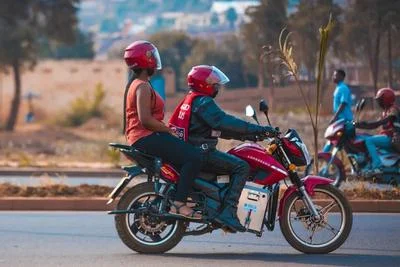
The ongoing conflict in Iran has contributed to rising fuel prices across Africa, leading to a notable increase in demand for electric motorbikes. With motorbike taxis—vehicles designed to carry one passenger—playing a critical role in public transportation, the affordability of operating these bikes has become pivotal for many operators on the continent.
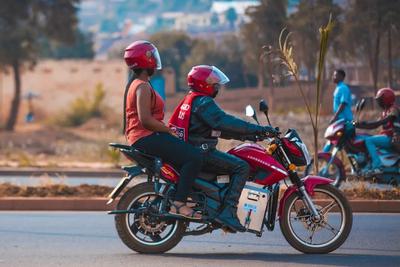
Since the conflict began in late February, the daily operational cost of fuel for conventional motorbike taxis has climbed from $4.20 to $5.10, as reported by The Financial Times. In contrast, electric motorbikes are significantly cheaper to run, typically costing around $2.30 per day. This disparity in costs has catalyzed a shift toward electric vehicles (EVs) in regions where the long-term viability and sustainability of transportation are increasingly sought after.
Data from Kenya illustrates this growing trend, where the sale of electric motorbikes has surged by approximately 40% over the past three months. Dustin Kahler from the E-Mobility Association of Kenya highlighted an interesting observation, noting that the geopolitical dynamics, including decisions made by leaders outside Africa, are inadvertently accelerating the transition to electric mobility in the region.

Shifting Market Dynamics
Traditionally, it was assumed that Africa's transition to electric vehicles would primarily be driven by the influx of secondhand vehicles from European and Asian markets. However, a shift has occurred. Manufacturers from China are now producing and supplying new electric motorbikes at competitive prices, with many local companies assembling these vehicles from Chinese parts. This localized production approach not only reduces costs but also increases accessibility for the African market.
African companies are playing a significant role in this transition. For instance, Spiro, an electric vehicle manufacturer operating in various African countries such as Uganda, Rwanda, Nigeria, and Cameroon, claims that around 100,000 of its electric motorbikes are currently in use across the continent. In just the past month, Spiro reportedly sold approximately 10,000 new electric motorbikes, contributing significantly to the rapidly growing fleet.

Policy Changes Encouraging EV Adoption
Some African governments are actively pursuing policies to facilitate the transition to electric vehicles, recognizing the necessity of reducing reliance on imported fuels. Ethiopia has already prohibited the import of combustion vehicles starting in 2024 as part of its strategy to mitigate fuel consumption. Rwanda has also made headlines by announcing a ban on the registration of new petrol-powered motorbikes in the capital, Kigali, beginning in 2025.
Additionally, responding to the recent spike in fuel prices, the Kenyan government recently waived import duties on electric vehicles, a significant move aimed at making these greener alternatives more accessible to the general population. This proactive approach reflects an understanding of the broader implications of energy transition on economic stability and the need to respond to market changes driven by external circumstances.

Impact on Households and Businesses
The transition to electric motorbikes is not merely an economic response to rising fuel costs; it also carries significant implications for households and businesses. For motorbike taxi operators, the cost savings associated with electric vehicles can lead to improved profit margins. As operating costs decrease, drivers may be able to offer more competitive fares while still maintaining earnings, increasing their customer base.
For households, the shift to more affordable transport options can alleviate financial strain, particularly in urban areas where reliance on motorbikes for commuting is prevalent. Moreover, the environmental benefits of electric motorbikes contribute to improved air quality, enhancing the quality of life in cities already grappling with pollution issues.
Future Prospects
As the rising demand for electric motorbikes continues, industry stakeholders are closely watching market trends and consumer preferences. While the future looks promising for electric mobility in Africa, potential challenges remain, including the need for improved charging infrastructure and battery supply chains. However, with favorable government policies and an increasingly competitive market for electric vehicles, the momentum appears to be firmly in favor of sustainable transport solutions.
This movement towards electrification is likely to have a lasting impact on the transportation landscape across Africa, positioning the continent at the forefront of the global push for sustainable energy solutions. The intersection of geopolitical factors, local entrepreneurship, and a shift in consumer behavior could set a precedent for navigating similar economic challenges in the future.


