Europe faces another extreme heat wave, pushing temperatures to record levels in the UK and France, raising concerns about climate change impacts.
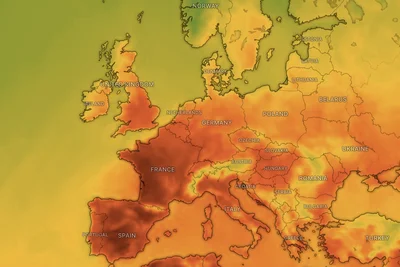
Europe is currently experiencing a significant heat wave that has led to unprecedented high temperatures across several countries, particularly in the United Kingdom and France. This extreme weather event follows a similar occurrence just last month, signaling a troubling trend as climate-related heat events become more frequent.
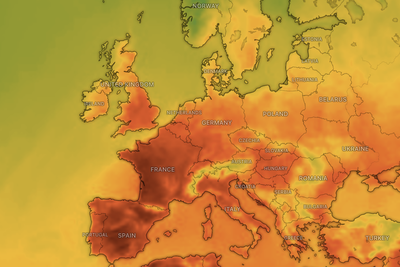
In the UK, forecasters predict that the nation will experience its hottest June day on record, with temperatures potentially reaching 97 degrees Fahrenheit (36 degrees Celsius) as early as Tuesday. The previous record stood at 96.1 degrees Fahrenheit (35.6 degrees Celsius), according to the U.K. Met Office. Notably, Wednesday's highs might even surpass 102 degrees Fahrenheit (39 degrees Celsius), which experts attribute to an unprecedented pattern of extreme heat.
In France, temperatures have escalated dramatically, with reports indicating that parts of the country reached as high as 109 degrees Fahrenheit (43 degrees Celsius) on Monday. This extreme heat has resulted in the hottest recorded night in French history, according to Météo-France.

Underlying Causes of the Heat Wave
The current heat wave is fueled by a phenomenon known as a heat dome, which is effectively trapping warm air from North Africa and leading to sustained high temperatures across Europe. Climate scientist Akshay Deoras from the University of Reading describes the heat dome as “a giant atmospheric lid, suppressing cloud formation and allowing relentless sunshine to bake the ground.” This process leads to air being forced down and compressed beneath the high-pressure system, much akin to how air heats as it is compressed within a bicycle pump.
Moreover, recent research indicates that climate change is altering the behavior of the jet stream, which may lead to a more frequent occurrence of heat waves across Europe. Currently, Europe is warming faster than any other continent, with temperatures exceeding more than 2 degrees Celsius above preindustrial levels. This raises significant concerns about the increasing frequency and intensity of heat events.

As climate scientist Lizzie Kendon from the Met Office points out, “What is so extraordinary is the margin by which the [June] record will be broken.” This emphasizes that as climate change progresses, the historic temperature thresholds are becoming more precarious, leading to heightened instances of extreme warmth.
Historical Context and Future Implications
The relentless heat brought on by this weather pattern is not just a momentary spike; it’s reflective of a broader trend where records for high temperatures are routinely broken. The recent heat wave in May already set new records for the month across multiple weather stations throughout the UK and France, showcasing a clear pattern where extreme weather events are becoming the norm rather than the exception.

Supporting these findings, researchers have been closely monitoring the implications of such record-breaking heat on both ecosystems and human health. The soaring temperatures threaten agricultural yields, put additional strain on energy supplies, and increase the risk of heat-related illnesses. Households may face rising costs for air conditioning and cooling solutions as energy demand spikes, which can disproportionately impact lower-income families who may not have the resources to cope with heightened energy expenses.
Moreover, the urgency for policy responses becomes increasingly critical as these events highlight the need for mitigating strategies that address climate change. As high temperatures persist and become more intense, technological and infrastructural adaptations will be necessary for communities to prepare for and respond to what is likely to be a new climate reality.
Looking Ahead
This heat wave is a stark reminder of the immediate actions needed to combat climate change and its far-reaching consequences. With Europe leading efforts to transition towards sustainable energy sources and greenhouse gas reductions, the situation underscores the importance of integrating climate resilience into urban planning and energy infrastructure. Innovations such as improved building designs, sustainable urban green spaces, and energy-efficient technologies could play critical roles in mitigating heat-related impacts.
As the climate continues to warm, the lessons learned from these extreme weather events may provide crucial insights for policy frameworks and community preparedness initiatives, ultimately guiding Europe—and the world—toward a more resilient future.


