New research highlights how natural systems like wildfires and wetlands could amplify global warming, challenging climate targets set by the Paris Agreement.
Climate modelers have long grappled with the complexity of feedback processes in the Earth's climate system, particularly how rising temperatures from human activities may lead to further warming. Improved understanding of these feedbacks is crucial, as they could significantly influence global temperature projections and the effectiveness of climate policies aimed at limiting temperature increases to well below 2 degrees Celsius, as set by the Paris Climate Agreement.
The Emissions Gap in Climate Models
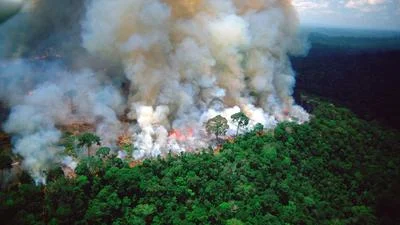
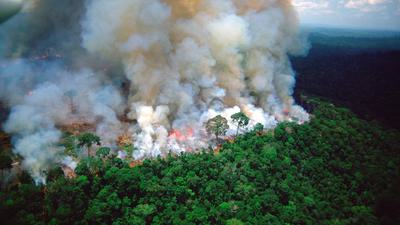
A recent study has spotlighted a considerable gap in climate modeling—specifically, the emissions generated by natural ecosystems as they respond to a warming world. Wildfires, wetlands, and permafrost are key contributors that have been inadequately included in many major climate models that inform policy decisions around climate change. These natural emissions are often referred to as warming-induced emissions, and their omission could be misleading when forecasting temperature changes.
According to the study, emissions from these natural systems could add up to 0.6 degrees Celsius to the overall rise in global temperatures. This potential increase aligns with earlier research suggesting such emissions could shorten the time required to surpass the 2 degrees Celsius threshold by 25 percent. The shortfall in climate modeling might cause nations to overestimate how much fossil fuel can be consumed while meeting climate targets.
Brian Buma, a climate scientist at the Environmental Defense Fund, emphasized the urgency of this situation: “If you’re not including all the emissions going into the atmosphere, you’re hamstrung from the get-go." He expressed concern that neglecting these emissions could create a substantial discrepancy between projections and reality.
Recent Trends in Natural Emissions
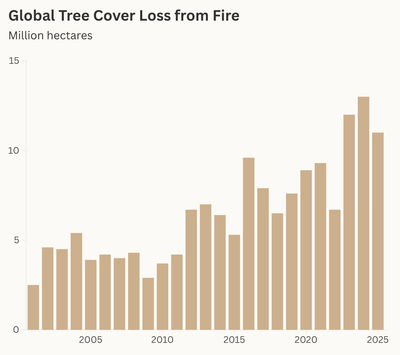
Research indicates that wildfires, wetlands, and permafrost are rapidly shifting from acting as carbon sinks to sources of greenhouse gas emissions. Since 2001, global carbon emissions from wildfires have surged by 60 percent. Moreover, a significant increase in atmospheric methane concentrations was reported in 2020, attributed partly to changes in wetland conditions and warmer temperatures that accelerate plant decomposition in wetland environments.
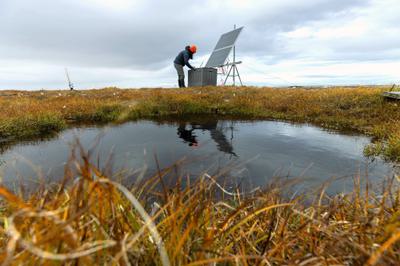
The Arctic, in particular, is seeing these changes manifest rapidly. The 2024 Arctic report card revealed that wildfires and melting permafrost in northern tundra have turned these areas from carbon sinks into net sources of emissions, releasing both carbon dioxide (CO2) and methane due to enhanced microbial activity in thawing soils. This transition underscores the critical feedback mechanisms that could exacerbate warming.
Modeling Challenges and Uncertainties
Despite evident shifts in eco-climatological dynamics, capturing these warming-induced emissions in climate models remains a formidable challenge. Benjamin Poulter, the lead scientist at Spark Climate Solutions, pointed out that modeling the responses of various ecosystems to warming involves predicting complex, non-linear interactions. These challenges are compounded by a lack of monitoring capabilities in remote ecosystems like Siberia and the Congo Basin, impeding the accuracy of projections.
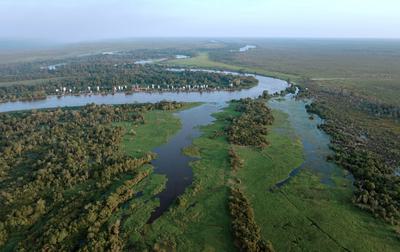
In their study, Poulter and colleagues utilized a simplified climate model to estimate potential emissions from natural ecosystems across various warming scenarios. They found that, depending on human emission trajectories, the contribution from natural systems could increase temperatures between 0.2 and 0.6 degrees Celsius by century's end. A significant portion of this uncertainty lies in predicting ecosystem responses to warming rather than from the choice of warming scenario itself.
Implications for Climate Policy
As global temperatures continue to rise, the necessity for accurate forecasting of warming-induced emissions becomes crucial. Current models often miss these emissions, with none of the 11 Earth system models evaluated in the latest IPCC assessment accounting for all primary natural emission sources. Only five considered wildfire emissions, while just two included the influence of permafrost.

This oversight complicates efforts to keep global warming under 2 degrees Celsius, particularly as feedback processes become irreversible. Unlike traditional emissions from fossil fuels, which can be managed through transitions to renewable energy, emissions from thawing permafrost will persist once released, making mitigation strategies more complex.
The researchers estimated that by the year 2100, CO2 emissions from these natural sources could be comparable to the collective emissions from the power and building sectors today. Moreover, methane emissions from these scenarios could rival those currently produced by fossil fuel sources in Asia and North America.

As awareness about the interactions between climate change and natural emissions grows, the need for a refined accounting framework becomes more pressing. “We can quantify and measure these emissions, but we also need to develop an accounting framework so that we can do something about them,” said Poulter.
Advancements in Monitoring and Modeling Efforts
In response to these challenges, Spark Climate Solutions has initiated a program aimed at integrating warming-induced emissions into climate models and developing better measurement systems across diverse ecosystems. This collaborative effort has brought together over 20 independent modeling groups striving to account for these emissions in future climate assessments.

One of the critical projects within this framework includes deploying methane sensors at wetlands in central Africa, which are pivotal emitters of methane. Similar efforts led by Rob Jackson involve improving emission measurements in Amazonian wetlands, where data shortages hinder reliable projections.
Jackson highlights the complexity of isolating the factors driving emissions in wetlands—whether they stem from expanding wetland areas due to increased precipitation or from heightened microbial activity induced by warming. He acknowledges the challenges in managing emissions: "You can’t turn a wrench on a wetland," he noted, while still exploring potential strategies.
Potential Solutions to Address Warming-Induced Emissions
Various strategies are being proposed to tackle warming-induced emissions. Bronson Griscom, an ecologist, categorized these approaches into three main areas. The first advocates for the continuation of carbon storage projects that will be effective even as temperatures rise, such as reforestation initiatives in temperate regions that could potentially benefit from elevated CO2 levels.
The second area focuses on modifying existing projects to account for future warming scenarios. For instance, restoration efforts in the Amazon could involve choosing tree species that are more resilient to hotter temperatures, enhancing the chances of survival and carbon sequestration.
Lastly, some strategies are being developed to directly address the emissions from these natural sources. In the Arctic, researchers like Cansu Culha are exploring ways to insulate permafrost with vegetation layers to mitigate rapid carbon release. There is also interest in managing wetland ecosystems by optimizing water levels and chemistry to influence microbial activity and thus reduce methane emissions. These ideas echo successful interventions tested in rice paddies, another significant methane source.
Moving Forward
Researchers and policymakers working to combat emissions stress the necessity of refining measurements and models to grasp the full implications of warming-induced emissions. “People are seeing this stuff happening,” Buma stated, referring to the visible shifts in ecosystems. As climate modellers strive to keep pace with these changes, collaborative efforts are essential for developing actionable insights that will shape future climate policies.
The insights gained from addressing these emissions not only enhance our understanding of climate feedback mechanisms but also represent a critical piece of the puzzle in global climate efforts. Ensuring that these natural emissions are accounted for could prove pivotal in achieving international climate targets and safeguarding our planet's future.


