A recent study reveals that Mediterranean sperm whales have developed distinct dialects, highlighting the impact of isolation on marine communication.
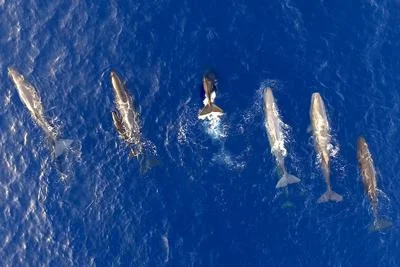
Research into the vocalizations of Mediterranean sperm whales has unveiled a fascinating parallel to human languages: these marine mammals develop distinct dialects influenced by their geographical separation. A recent study focusing on the eastern Mediterranean identifies how a local population of sperm whales developed a unique calling pattern that distinguishes them from other groups.

Sperm whale vocalizations are characterized by clicks, which function as a means of communication that signals the presence and identity of particular “vocal clans.” Historically, it was believed that all sperm whales in the Mediterranean shared a single vocal clan, identifiable by a recurring sequence of sounds—a rapid trio of clicks followed by a pause and a final click. However, the latest analysis reveals a more complex acoustic landscape.
Over a span of two decades, researchers collected extensive audio recordings of sperm whale calls across multiple locations in the Mediterranean region. This analysis demonstrated that whales residing in the Hellenic Trench, near Greece, produce a faster version of the established call pattern compared to those near the Balearic Islands, situated between Gibraltar and Italy. Notably, the eastern whales sometimes reverted to the older calling pattern used by western clans, suggesting an intriguing interplay of dialectical evolution.

Evolutionary History
According to lead researcher Taylor Hersh from the University of Bristol, the findings enhance the understanding of sperm whale history in the Mediterranean. “These findings paint a picture of the history of sperm whales living in the Mediterranean, consistent with a progressive occupation from west to east, ending with the development of a distinctive dialect in the animals living in the east,” Hersh stated. Such evolutionary dynamics shed light on the relationship between the whales’ habitat and their acoustic communication.
Sperm whales first migrated to the Mediterranean around 20,000 years ago, suggesting that their dialects have had sufficient time to diverge significantly. The isolation of these populations has been a significant factor in shaping their distinct communication styles and behaviors. Currently, the estimated population of sperm whales in the Mediterranean is fewer than 3,000 individuals, with the Hellenic Trench harboring fewer than 300. This small population is classified as endangered due to various environmental threats, including fishing activities and potential vessel strikes.

Environmental Threats
The precarious status of the sperm whale population in the Mediterranean has drawn attention from conservationists. Campaigners have raised concerns about the proposed oil and gas exploration in the Hellenic Trench, which poses risks to marine life. The seismic surveys essential for locating fossil fuel reserves involve emitting sound waves to scan the ocean floor, a technique that can inadvertently harm marine fauna. Recent studies highlight that such surveys can result in permanent hearing damage to whales and dolphins, trigger chronic stress responses, and even lead to mass strandings.
These vulnerabilities underline the critical need for effective marine protection strategies. Addressing the challenges faced by Mediterranean sperm whales and their habitats necessitates a multi-faceted approach, including stricter regulation of maritime activities and heightened awareness of the acoustic environment that supports marine life.

Implications for Communication and Conservation
The revelation that sperm whale dialects evolve over time and can vary significantly across geographical regions reinforces the complexity of marine communication. For marine biologists and conservationists, these findings serve as a pivotal reminder of the connections between species’ behavior and their environments. Understanding the nuances of whale communication could provide important insights into their social structures and cultural behaviors, which are critical for their conservation.
As scientists continue to explore the acoustic landscape of sperm whales, the results could pave the way for the development of targeted conservation strategies that consider the auditory dimensions of marine ecosystems. Such strategies will be essential not only for the survival of sperm whales but also for the broader health of the Mediterranean marine environment.
In conclusion, the distinct dialects of Mediterranean sperm whales illustrate a unique aspect of their adaptation to isolation. The significance of these findings extends beyond ecology, touching on conservation efforts and the need to protect the delicate balance within marine ecosystems. Monitoring and preserving these unique vocal patterns will be vital as discussions around conservation and environmental policies evolve.


