New analysis highlights regions where global warming is accelerating, revealing implications for climate adaptation and extreme weather events.

Recent observations indicate that certain areas of the globe are warming at an increasing rate, with specifics revealed in a new analysis. This study identifies regions where temperature rise has accelerated since the 1980s, highlighting critical patterns in climate change dynamics.

Regions Experiencing Accelerated Warming
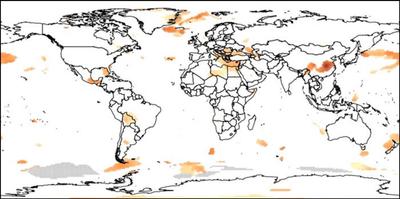
Beginning in the 1980s, some regions began to warm more rapidly, particularly noted in the eastern Mediterranean and the North Pacific. This trend later extended to locations such as New Zealand, southeast China, Bolivia, and the Gulf of Mexico. Each of these areas exhibits substantial warming trends that could significantly impact ecological and human systems.
According to the research, the acceleration of warming could result in more extreme weather events, further exacerbating challenges for local communities. For example, a rising frequency of heatwaves in Southeast China is already leading to substantial health risks. As summer temperatures soar, residents face heightened heat-related illnesses, impacting public health systems and productivity.
The Role of Pollution Control in Temperature Trends
Researchers suggest an intriguing connection between pollution control measures and rising temperatures. In particular, efforts to reduce sulfur dioxide emissions from coal power plants have led to unintended consequences. Sulfur dioxide can block sunlight and exert a cooling effect on the atmosphere. As nations like China improve air quality by cutting pollution from coal plants, clearer skies have contributed to a sudden increase in temperatures. This phenomenon illustrates the complexities surrounding climate intervention strategies and the need to anticipate secondary effects during the energy transition.
While the goal of reducing air pollution remains essential for public health and environmental preservation, the resultant warming underscores the need for comprehensive climate strategies that account for both immediate and long-term climate goals.

Insights from the New Study
The study, recently published in Nature Communications, not only maps the acceleration but also introduces an online dashboard to help users track local warming rates. This resource encourages public engagement with climate data and allows for a better understanding of regional changes in temperature.
The authors also caution that while there are pronounced regional trends, there’s ongoing debate regarding whether global warming itself is speeding up universally. A few recent years have exhibited global temperature spikes, leading scientists to split opinions on whether these changes signify a systematic acceleration or if they're merely statistical anomalies. The current discourse emphasizes a need for more refined data analysis to clarify these trends.

Potential Impacts on Communities
Regions experiencing accelerated warming may find it increasingly difficult to adapt to rapid changes. The faster warming occurs, the more challenging it becomes for communities to implement necessary adaptations, whether those involve infrastructure development, agricultural adjustments, or health care improvements.
For instance, adaptation strategies for vulnerable communities, especially in low-lying and coastal regions, may need to be substantially accelerated. The Gulf of Mexico’s warming, combined with sea-level rise, threatens local economies reliant on tourism and fishing, prompting calls for urgent investment in resilient infrastructure and disaster preparedness.

Global Implications of Regional Changes
The implications of this analysis extend beyond the identified hotspots. As warming accelerates in certain locations, there’s the potential for geographic and seasonal shifts in ecosystems and wildlife migrations. Species that cannot adapt quickly enough may face increased risks of extinction, altering biodiversity in affected regions and beyond. This could, in turn, disrupt food supplies and ecosystem services that human communities rely on.
Looking Ahead
As the scientific community continues to refine its understanding of climate change acceleration, the focus on regional studies will be crucial. Moving forward, it’s vital that policymakers, scientists, and the public engage with these findings to frame effective responses to the climate crisis. Adaptation will require holistic strategies, integrating considerations of climate science with social, political, and economic factors.
Ultimately, addressing these accelerated warming patterns opens critical discussions on investment in green technologies and sustainable practices. By understanding where and why warming is occurring, stakeholders can better target resources to mitigate risks and foster resilience in communities across the globe.
The accelerating climate changes documented in this analysis reinforce the urgency of climate action and the importance of developing robust adaptation strategies.


