Several developing nations are witnessing a significant rise in solar power adoption driven by individual choices rather than policies, but this trend poses challenges for energy equity.
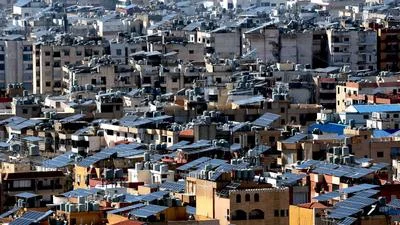
The solar energy landscape in developing countries is shifting dramatically, with nations like Pakistan leading in rooftop solar adoption. As illustrated by satellite images, solar panels proliferate across the rooftops of urban centers, marking solar as the top source of electricity in Pakistan, now generating around 25% of the country’s power during peak months. A decade ago, solar contributed less than 1%. This shift was largely fueled by individual households and businesses responding to the high cost and unreliability of traditional electricity sources rather than government subsidies.

While Pakistan serves as a prominent example of a grassroots solar revolution, it mirrors similar trends seen in Nigeria, Lebanon, Sri Lanka, Zambia, and Yemen, where recorded solar generation has surged more than sixfold since 2019. The solar share of the electricity mix has significantly increased across these countries, sometimes by factors of ten. However, this rapid expansion is not without its issues. The shift to household solar has begun to create instability within national grids. In Pakistan, for instance, many people are opting out of the national grid, resulting in higher energy costs for those unable to afford solar installations.
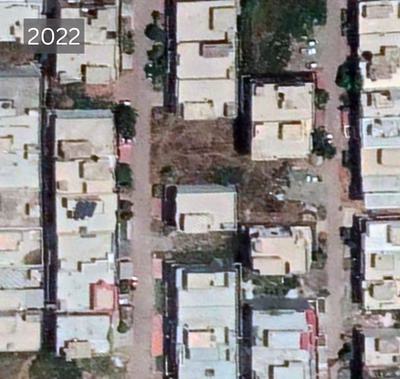
Analysts are increasingly relying on customs records and satellite images to gauge solar activities that fall outside government statistics.
This emerging trend has implications beyond localities, as much of the expected future electricity demand growth is anticipated in emerging economies. Solar energy could play a pivotal role in meeting this demand. However, if poorly managed, the expansion risks straining already fragile energy systems while exacerbating socioeconomic inequalities. Energy systems in these developing nations can benefit enormously from solar installations but require careful integration to prevent deepening disparities.
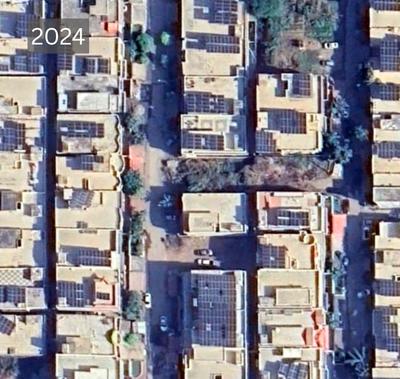
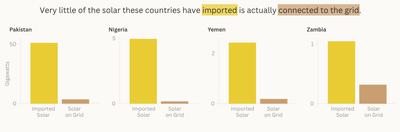
The scale of this solar boom is unprecedented. For example, Sri Lanka expects a sixfold increase in rooftop solar capacity from 2020 to 2025, while Lebanon's solar installs have expanded more than tenfold. In conflict-affected Yemen, over half the population now relies on solar as their primary source of electricity for lighting. Notably, a significant portion of this growth is not captured by official statistics, as many new installations are personal rooftop arrays that go unregistered. Analysts estimate that in Nigeria, about 96% of solar capacity is off-grid.
The phenomenon known as "leapfrogging" is evident in these advancements, wherein developing countries adopt advanced technologies without going through the extensive fossil fuel development phases experienced by wealthier nations. This rapid adoption occurs under specific conditions: proven technology, comparable functionality to existing options, and the ability to bypass costly or dysfunctional infrastructure.
Rooftop solar installations thrive in regions where traditional infrastructure is inadequate. As solar technology matures, prices have plummeted, largely due to increased manufacturing capacity in countries like China. Many solar panels that would have entered markets like the U.S. or India, now face trade tariffs, and have instead found lucrative opportunities in nations like Pakistan and Nigeria, where grid instability makes solar significantly more attractive.

For instance, Pakistan previously faced electricity price hikes, which tripled in a decade due to withdrawal of subsidies and the surging costs of imported fuel. In Nigeria, prices spiked by over 240% after recent rate reforms. Yemen stands out with dramatic price increases; one recent adjustment saw rates increase 36-fold. As traditional electricity costs rise, solar power becomes a more appealing option for many, allowing households that can afford the initial investment to insulate themselves from unpredictable energy prices.

While wealthier households can shield themselves from rising energy costs, poorer households face greater challenges in accessing solar solutions.
However, the rapid expansion of solar can create unintended consequences for existing power grids. Fixed costs, which are integral to maintaining transmission lines and power plants, continue to burden utilities. When households switch to solar or decrease their reliance on the grid, utility companies experience diminished revenue, triggering a cycle of rising energy rates to cover fixed costs. This phenomenon, often termed the "utility death spiral," puts strains on both the grid's economic viability and its user base.

Reports from Pakistan indicate that electricity sales from the grid declined by approximately 10% in 2023. This decline places the country’s energy minister in a difficult position as falling demand raises concerns about increased costs for remaining customers. Wealthier solar users can reduce their grid interaction but still rely on the grid during off-peak hours. As a result, utilities must be prepared for increased peak demand while spreading fixed costs over an ever-shrinking customer base, further exacerbating inequities.
Despite these difficulties, the benefits of solar energy adoption are significant. Solar-powered technologies provide essential services that can rejuvenate economies, enhance educational opportunities, and improve health outcomes. For example, solar pumps assist farmers in irrigation without costly diesel fuel, while schools can run lights and computers even without grid access. Shifting away from diesel generators decreases air pollution, directly benefiting public health in regions heavily dependent on diesel for energy.
Policies and regulations must adapt to accommodate the surge in rooftop solar installations rather than following outdated infrastructures designed for centralized power generation.
Governments and international organizations bear the responsibility for integrating distributed solar systems into formal energy statistics. Using comprehensive data collection from customs records and satellite monitoring can give a clearer picture of on-the-ground installations. Such data can improve planning, thereby enhancing integration of solar power into energy systems. Initiatives should include investing in energy storage solutions, flexible network improvements, and targeted financial support for lower-income households to increase solar access.
One reason for the slow adaptation to the solar boom is the inefficiency of existing regulations, many of which were developed around traditional energy systems dominated by large-scale power plants. Many utility companies face significant financial distress, complicating efforts to invest in necessary infrastructure improvements like better battery storage and smarter grids. The power sector in Pakistan especially grapples with mounting debt, limiting available financial resources.
Regulatory reforms that facilitate easier transitions for households and businesses wanting to contribute surplus solar energy back to grids are essential. Wealthier nations and developmental banks could play a crucial role here, providing financial assistance for modernizing power infrastructures while tying support to necessary reforms rather than simply bailing out financially struggling utilities.

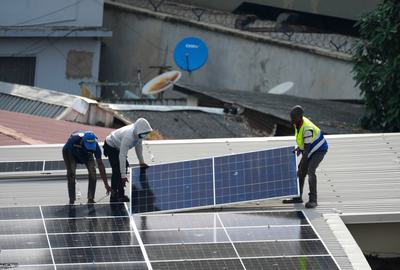
Workers install solar panels on a home in Lagos, Nigeria. Sunday Alamba / AP Photo
Countries like Lebanon highlight potential pathways for successfully managing this transition. Despite its rapid solar growth facing obstacles, Lebanon could harness external financial support to revitalize its power infrastructure. With loans aimed at constructing solar farms and modernizing electric billing systems, the country could effectively leverage decentralized solar generation to mitigate costly energy imports.
In contrast, Nigeria faces a more precarious situation. The steep rise in electricity rates primarily impacts affluent customers, who have the means to shift away from traditional energy. This group is vital for the financial health of utilities, and many are likely to transition to solar, exacerbating the issues faced by the struggling distribution sector.
The underlying challenge with solar is not related to the technology itself, but rather how entrenched power infrastructures and regulatory frameworks struggle to adapt to rapid changes. The decisions made by governments will dictate whether solar drives a well-structured energy transition or leads to unmanaged withdrawals from the current systems. A well-executed transition could not only stabilize electricity networks but simultaneously ensure affordable access for those who cannot shift to personal solar solutions.


