Recent research indicates that Alaska's rivers are becoming more acidic and metallic due to thawing tundra, raising concerns for local ecosystems.
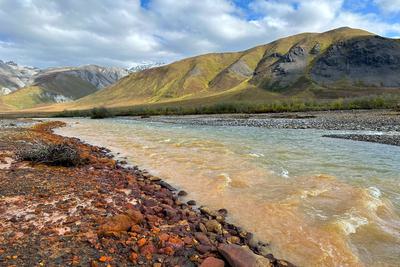
The ongoing effects of climate change are becoming increasingly stark in Alaska, where melting tundra is significantly impacting the watershed. Research from the Brooks Range highlights that thawing permafrost is releasing minerals into rivers, causing dramatic increases in acidity and metal concentrations. This phenomenon has been observed in various locations across the Arctic, notably in the Salmon River, where metal levels have surged by as much as seventy-fold within a 60-mile stretch.
Published in AGU Advances, the findings underscore a critical aspect of climate change that may not have been anticipated. The study began analyzing water quality in the summer of 2019, which was notably the hottest summer on record for Alaska. Rusting water, characteristic of orange hues caused by iron and sulfuric acid, was first detected then and has since been identified in over 200 rivers across Alaska and northern Canada.
Scientists are grappling with the implications of these acidic waters on local ecosystems. Perturbingly, they suspect these changes may have influenced the decline of the chinook salmon fishery—a vital resource for both the environment and local economies. The concerns extend beyond fisheries, affecting wildlife and the intricate balance of these ecosystems as unprecedented water quality changes persist.

Understanding the Impact
The process of mineral leaching from thawing tundra is often tied to the wider consequences of a warming climate. As Arctic temperatures rise, permafrost melts, releasing not only contained minerals but also previously dormant organic material into waterways. This can lead to a cascade of ecological effects, which researchers are only beginning to understand. For example, as river chemistry alters, organisms that are sensitive to changes in acidity may struggle to survive, which could disrupt food webs.
Brett Poulin, a professor of environmental toxicology at the University of California, Davis, and a co-author of the study, points out that these unsettling changes were not included in previous climate assessments. “This was a process that was not forecast, predicted, or included in any assessment of how the Arctic will change under a warmer climate,” he noted. The escalation of such conditions across the Arctic could signal broader, perhaps more systemic challenges in freshwater ecosystem management.

Wider Observations and Future Monitoring
The observations of increased acidity are not isolated to Alaska. Research shows similar trends occurring across Arctic Canada, raising widespread concerns about the potential for similar conditions emerging in other polar regions. Such changes could be compounded by ongoing climate shifts globally, leading to drastically altered hydrology patterns.
For communities that rely on local rivers for fishing and recreation, deteriorating water quality may pose economic threats. The substantial decline of fish stocks, especially species like chinook salmon that are integral to local diets and economies, underscores an urgent need for monitoring. Fisheries management may require reevaluation as shifting water conditions make historical patterns obsolete, necessitating adaptive strategies to sustain fish populations and community livelihoods.

Broader Implications for Climate Policy
This growing body of evidence aligns with calls for a more nuanced understanding of climate impacts. As scientists document these unexpected developments, it also raises questions about how future climate policies can incorporate these insights. Regulatory frameworks will need to adapt swiftly to manage both aquatic environments and the species that rely on them, which may involve setting new standards for water quality in the face of escalating climate change.
Moreover, public awareness and scientific communication will be essential as communities confront the reality of these environmental changes. Increasing acidity in water systems not only affects ecological health but also raises implications for human health and well-being, particularly in regions where people rely on fishing for sustenance. As such, comprehensive approaches to environmental monitoring and public engagement in climate action are crucial.
As the Arctic continues to undergo significant transformations, the potential for unforeseen effects will likely increase. These findings serve as a reminder of the interconnectedness of climate impacts and the need for actionable solutions that engage both scientific communities and local stakeholders. For now, stakeholders must remain vigilant in monitoring these changes and adapt strategies to mitigate their impacts on both the environment and local economies.


