Japan is transforming former golf courses into solar farms to boost renewable energy production amid land scarcity and decreasing nuclear power.
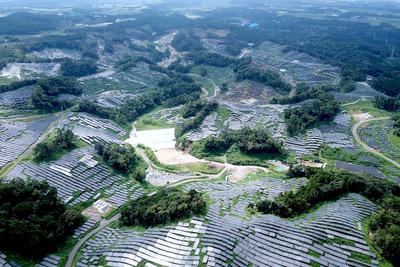
As Japan continues its transition to renewable energy, one unexpected solution is emerging: repurposing abandoned golf courses into solar farms. The nation, characterized by its mountainous terrain and dense urban centers, has limited land availability for expansive solar installations. This challenge has led to innovative approaches, particularly the utilization of golf courses that have fallen into disuse after their peak during the economic boom of the 1980s.
A recent analysis by Bloomberg highlighted that approximately 9 percent of Japan's utility-scale solar capacity is now located on former golf courses. These sites, which were once symbols of affluence and leisure, have become key assets in the energy landscape as developers look for alternatives that avoid the contentious issues tied to land use for solar projects.
Finding New Life for Old Courses
The decline in golf course popularity over the years has resulted in many being shut down. In the wake of the 2011 Fukushima nuclear disaster, Japan faced a significant reduction in its nuclear energy output. The closure of dozens of reactors led officials to incentivize green energy solutions, most notably solar power, in a bid to fill the energy gap left by nuclear plants that once supplied roughly a third of the country’s electricity.

In the pursuit of sustainability, developers have sought various routes to implement solar energy projects. Some have explored installing solar panels on abandoned farmlands, particularly in regions like Fukushima, where land has been rendered unusable due to radiation. While such projects are laudable from a renewable energy perspective, they have sparked concerns over environmental impacts, including the destruction of forests and increased risk of landslides. This has prompted local opposition to large-scale solar developments in rural areas.
Conversely, converting old golf courses offers a more straightforward pathway to renewable energy. These properties tend to be flat, already connected to power infrastructure, and available at relatively low costs due to their former recreational use. According to the Bloomberg analysis, at least 10 percent of Japan's announced or ongoing utility-scale solar projects are on these formerly prized sites.

Community Acceptance and Economic Viability
This approach not only sidesteps potential public backlash commonly found in other site types, but it also presents economic advantages. Developers are often able to convert these underutilized spaces quickly, contributing to Japan's energy mix without major disruptions to communities or natural habitats. This is particularly relevant as the nation grapples with its energy sources and aims to meet ambitious carbon reduction goals. The transformation of golf courses supports the movement toward greater renewable energy adoption, which is crucial as Japan seeks to address both energy security and climate change.
The societal shift to renewable energy has gained momentum recently, particularly as public awareness of sustainability increases. Implementing solar farms on golf courses aligns with both environmental needs and economic realities, potentially benefiting local economies by creating jobs associated with solar farm construction and maintenance. Such projects can also increase awareness and acceptance of renewable energy solutions, fostering greater community involvement in sustainability efforts.

The Bigger Picture and Future Implications
While solar energy deployment across Japan continues to grow, the initiative to use golf courses is emblematic of a broader global trend in renewable energy: finding creative solutions to land use challenges. Other countries facing similar geographic constraints can look to Japan's model as a potential pathway for their own energy transitions.
However, this development isn't without its challenges. The rapid expansion of solar energy in Japan raises questions about long-term land use, ecosystem health, and community engagement. Ensuring that projects are well-planned and consider all stakeholders will be crucial as the nation continues to develop its green energy strategy.
As the world moves toward cleaner energy solutions, Japan's experience with repurposing abandoned recreational spaces could serve as a crucial case study. The integration of former golf courses into the country's energy infrastructure demonstrates a nuanced approach to land use that not only addresses immediate energy needs but also contributes to a sustainable future. Monitoring the progress and successes of these solar farms will provide valuable insights for other nations looking to enhance their renewable energy initiatives.
Ultimately, Japan’s innovative strategy to convert disused land into functional solar energy sites highlights a growing recognition that repurposing existing landscapes can be both a practical and effective way to foster a sustainable energy future. As more golf courses are transformed into solar farms, they could symbolize a fresh chapter in Japan's energy story – from leisure and extravagance to a commitment to sustainability and resilience.


