Humpback whales are charismatic migrators and conservation successes, but they face modern threats. Learn about their migration patterns and how we can help protect them.
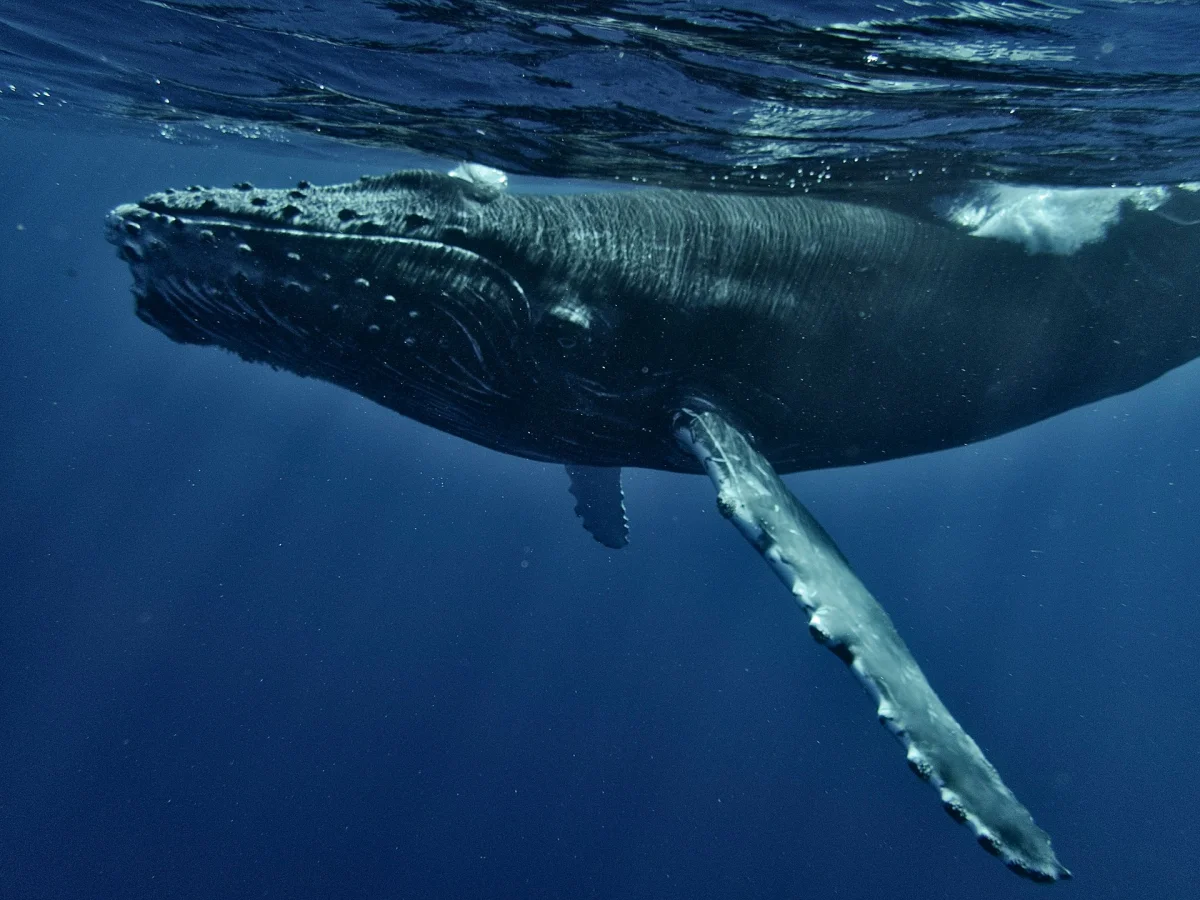
This month, we're focusing on humpback whales, a species renowned for its distinctive character. While they might seem mainstream compared to more obscure whales, their unique behaviors and compelling conservation stories highlight why they're favorites among marine enthusiasts and researchers alike.
Character and Behavior
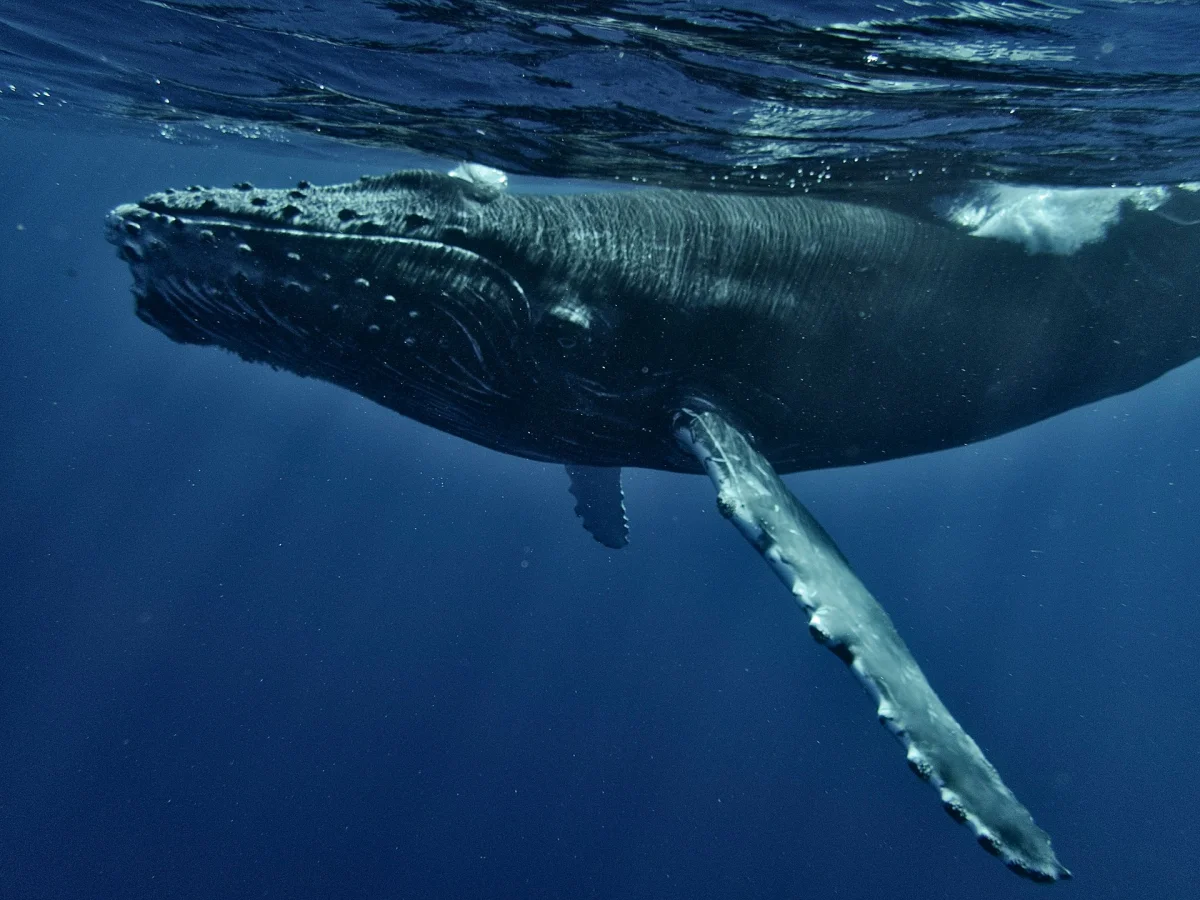
Humpback whales, known scientifically as Megaptera novaeangliae, are celebrated for their striking appearances and dynamic swimming behaviors, including impressive breaches where they leap almost entirely out of the water. These actions are not just visually stunning; they also provide insight into humpback social structures and communication methods.
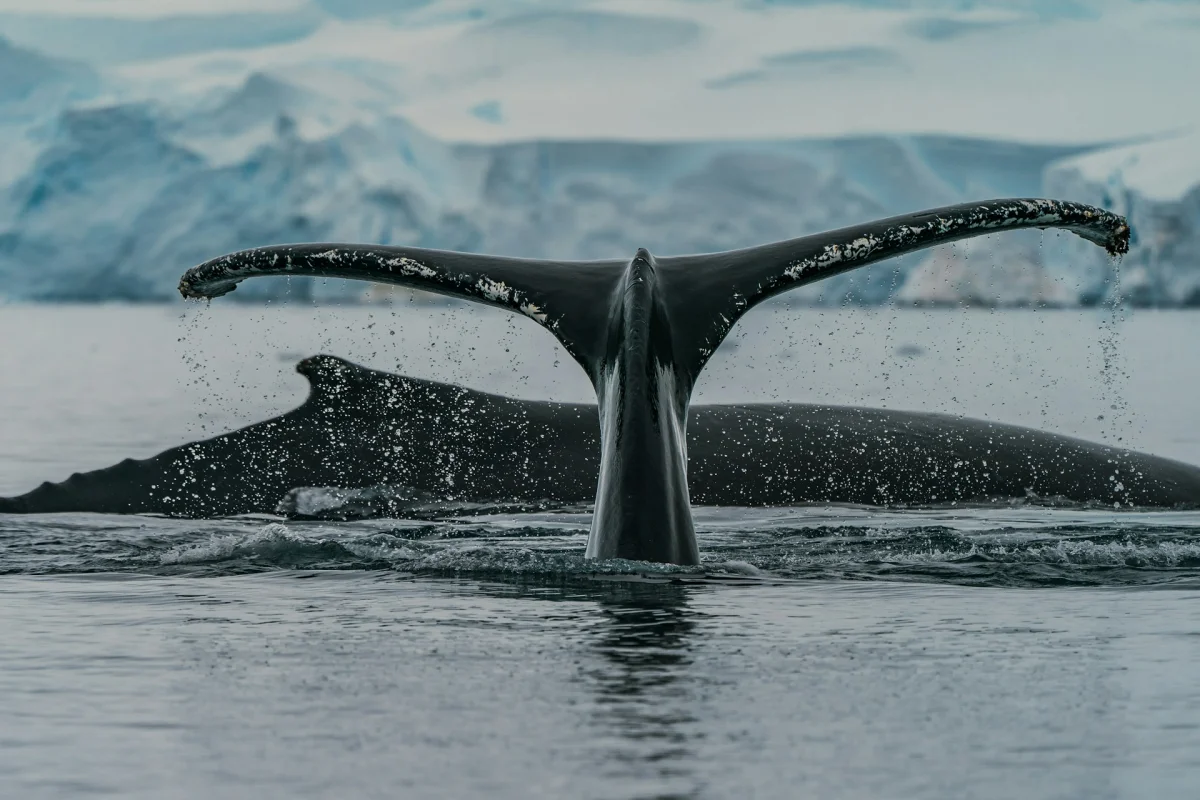
Their name derives from the distinctive hump that appears on their backs when they dive deeply. But one of the most remarkable features of these whales is their tail flukes, adorned with unique black-and-white patterns. Scientists use photo-identification methods based on these patterns to track individual humpbacks across vast distances and throughout their long lifespans, which can exceed 50 years.
Migratory Patterns
The humpback whale is renowned for undertaking some of the longest migrations of any mammal. They spend their summers in cold, nutrient-rich polar waters, where they feed on a diet primarily consisting of krill and small fish, employing remarkable bubble-net feeding strategies to optimize their hunting. Once they’ve amassed adequate fat reserves, they travel thousands of miles to warmer tropical waters for mating and giving birth. During this migration and their winter breeding season, they typically do not eat, relying instead on their stored blubber.
Vocalization and Conservation
Another intriguing aspect of humpbacks is their vocalization. Male humpback whales are known for their intricate songs, which can last for hours and evolve over time. These songs captured the attention of the public significantly after the release of the album Songs of the Humpback Whale in the 1970s, which contributed to the burgeoning global "Save the Whales" movement. The impact of such awareness campaigns has been monumental in shifting public attitudes towards conservation.
Population Recovery
Humpback whales faced severe threats from commercial whaling, with global populations plummeting by as much as 90% before the 1986 international moratorium. In recent decades, however, conservation efforts have led to a remarkable recovery, with current estimates suggesting around 84,000 adult humpback whales globally. They are now classified as “least concern” by the IUCN, indicating that many populations are on the rebound thanks to international protections and specific legislation such as the Endangered Species Act.
Notably, populations off the coast of Brazil, once nearly extinct, are showing promising recovery. Similarly, New York City waters have seen an increase from just a handful of humpbacks a decade ago to over 500 documented sightings.
Remaining Challenges
Despite the success stories, not all humpback populations have recovered. Certain distinct population segments, such as those in the Arabian Sea and Oceania, remain endangered. Research indicates that Arabian Sea humpbacks may represent a unique subspecies with low genetic diversity, leaving them vulnerable to environmental changes. Additionally, recovering populations continue to face significant threats from activities such as commercial fishing, accidentally getting entangled in gear, and vessel strikes.
Climate change introduces another level of complexity. Shifts in ocean temperatures affect marine food webs and krill distribution, leading to challenges in feeding grounds for humpbacks. A recent study linked a marine heatwave that disrupted krill populations in the northeastern Pacific to declines in humpback sightings in Hawaii, highlighting the interconnectedness of ocean health and whale populations. Reports of malnourished humpbacks washing ashore in various locations underscore the urgent need to address these ongoing threats.
What We Can Do
To help sustain humpback populations, individuals can engage in responsible whale-watching practices, ensuring that operators adhere to guidelines for safe distances from the animals. Supporting policy changes that promote safer fishing gear and reduce boat noise in critical migration corridors is crucial as well. Research has shown that engine noise can significantly interfere with humpback communication, which could compromise their social interactions and breeding success.
Moreover, broader environmental advocacy for marine habitat protection and climate action remains pivotal. These efforts help ensure that the vast ocean ecosystems supporting humpbacks are maintained and improved.
Looking Ahead
As we reflect on the journeys of humpback whales, it's clear that public awareness and conservation actions play vital roles in their future. This underscores the importance of continued education and advocacy to protect these incredible creatures. As for our next topic, the ocean is rich with fascinating marine life, and I welcome suggestions for which species we should explore next. Feel free to reach out with your thoughts!

For more engaging discussions about marine life, tune in to our upcoming articles and share your favorite marine species with us!