OlsAro has raised $5.5 million to advance salt-tolerant wheat development, addressing the impact of salinity and climate change on global agriculture.
OlsAro, a Swedish agritech startup specializing in salt-tolerant crops, has successfully raised €5 million (approximately $5.5 million) in a seed funding round. This investment aims to accelerate the development of OlsAro's SeedAX platform, which is positioned for a commercial launch in 2027. The funding round was led by Industrifonden and Nordic Foodtech VC, with additional support from Future Food Fund, PINC, AgFunder, and GU Ventures, bringing OlsAro's total funding to €7.5 million ($8.3 million).
The primary goal of this recent funding is to expedite commercial work, driving new initiatives in drought tolerance and nitrogen-use efficiency. Additionally, OlsAro plans to expand its offerings to other cereal crops, including rice. CEO Elén Faxö stated that their mission centers on "enabling farming on otherwise unfarmable land," illustrating the growing demand for crops acclimatized to challenging environmental conditions.
Addressing Soil Salinity
Around 10% of the world’s arable land suffers from salinity-related issues, with factors like climate change, increased temperatures, and severe drought exacerbating these problems. These environmental stressors not only threaten agricultural productivity but also lead to reduced crop yields. As OlsAro's CEO points out, "We’re seeing a steady reduction in the amount of cultivatable land due to soil salinity." The salt levels in soil are on the rise due to various factors, such as increased flooding, which may displace freshwater sources, leaving farmers reliant on saline or brackish water for irrigation.
OlsAro asserts it can help agricultural partners achieve significant yield increases compared to elite local varieties when grown in saline environments. With wheat being a staple crop in many regions, the need for varieties that can thrive in high-salinity conditions is evident, particularly in areas like Bangladesh, where salinity impacts more than one million hectares of farmland.
Field Trials & Progress
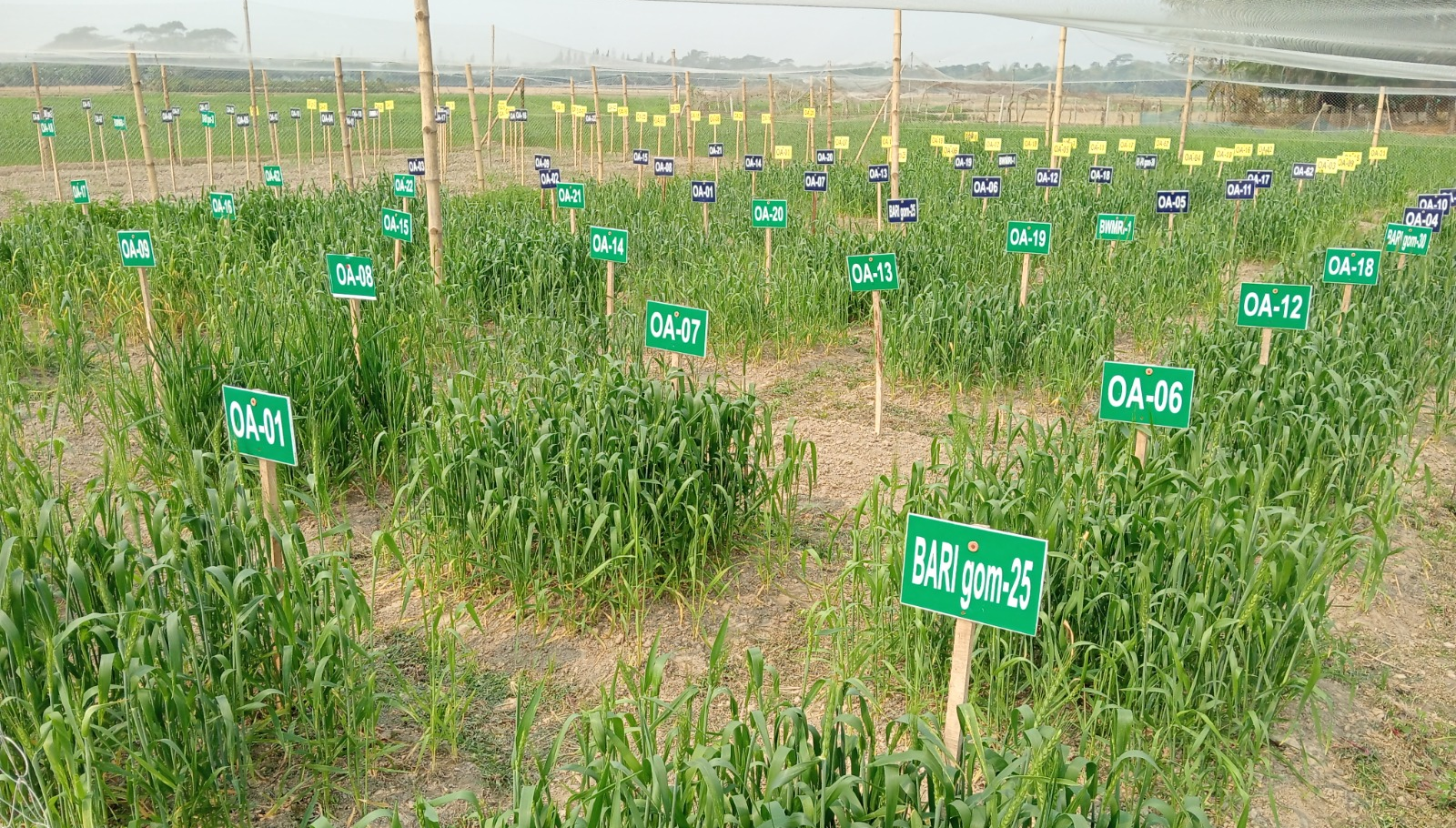
The startup has made significant progress, demonstrating up to a 41% increase in yields for their salinity-resilient wheat compared to moderately salt-tolerant varieties during field trials in Bangladesh. As their primary market, Bangladesh's growing demand for locally sourced wheat aligns with OlsAro's objectives, emphasizing the urgent need for enhanced agricultural solutions in saline-affected regions.
OlsAro’s wheat is also undergoing trials in several other countries, including Kenya and Pakistan. By avoiding genetic modification, OlsAro's wheat can be introduced into markets with fewer regulatory hurdles, facilitating a smoother pathway to market entry. The company is concurrently building partnerships with established agricultural entities, such as Lal Teer Seed, to support their developments in high-potential regions.
Expanding into New Markets
In India, where about seven million hectares of soil are salt-affected, OlsAro is collaborating with major players like DCM Shriram to conduct trials of its climate-resilient wheat. With the ongoing challenges of heat stress and salinity in agricultural sectors, expanding into India appears to be a strategic move for OlsAro. The opportunity is considerable, given that many regions will require adaptive varieties capable of withstanding these increasingly common stressors.
Innovative Approaches in Development
OlsAro's development strategy considers varying regulatory landscapes. Two primary methodologies guide their progress: a population-based approach using EMS mutagenesis and gene editing techniques. By utilizing a non-genetically modified (non-GM) approach, OlsAro can reach diverse global markets without facing significant regulatory barriers. This approach involves treating seeds with substances that induce genetic diversity, allowing targeted screening for desirable traits in their crop populations.
In contrast, their gene editing path incorporates advanced AI to analyze genetic variations, paving the way for trait integration into local elite varieties. The robust database OlsAro maintains—comprising genomic data, field data, and other critical research—underpins both development pathways and enhances their ability to fast-track crop innovation.
Elén Faxö emphasizes the importance of their dual approach: “When we speak about a population-based approach, it’s both forward and reverse,” referring to the methods used to screen for phenotypic and genotypic traits. This comprehensive strategy positions OlsAro to effectively navigate an evolving agricultural landscape as challenges related to climate change continue to intensify.
The trajectory of OlsAro serves as a reminder of the urgency surrounding agricultural resilience in the face of climate pressures. As the demand for salt-tolerant crops grows, the company is poised to play a crucial role in transforming agricultural practices, particularly in regions facing severe environmental challenges.
To explore further insights on OlsAro's initiatives and other developments in climate-resilient agriculture, take a look at related articles, including those on similar innovations in salt-tolerant crops and emerging solutions for agricultural resilience.