Global coal generation has dipped while new projects rise, with China and India leading capacity growth but facing renewable energy competition.
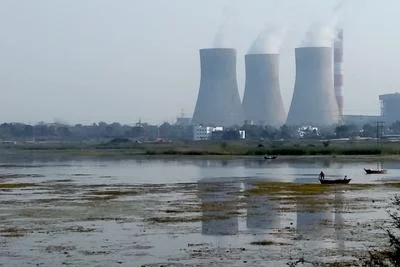
The world saw a significant increase in coal power plant constructions last year, marking the largest expansion in a decade, according to a recent analysis by Global Energy Monitor. Yet paradoxically, global coal electricity generation declined, highlighting a complex shift in the energy landscape.
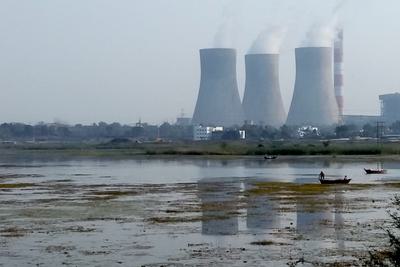
Christine Shearer, a representative from Global Energy Monitor, remarked on this contradiction: “In 2025, the world built more coal and used it less.” The data indicates that while total coal capacity grew by 3.5 percent, actual generation from these plants fell by 0.6 percent as coal struggles to compete with the surging growth of renewable energy sources.
Capacity vs. Generation Trends
China and India were responsible for 95 percent of the new coal capacity added globally in 2025. However, the narrative does not follow a straightforward pro-coal trajectory. In these nations, record expansions in wind and solar energy are effectively displacing coal. In 2025, coal generation dropped by 1.2 percent in China and fell even further—by 2.9 percent—in India, as renewable sources met the growing energy demand.

This trend is reminiscent of historical patterns observed in the United States, where coal capacity continued to rise even after generation had peaked in 2007. Capacity additions persisted until 2011, while actual electricity generation began a gradual decline. This highlights a possible disconnect in energy policy and market dynamics, affecting how investments in coal infrastructure align with the evolving energy needs.
Global Patterns in Coal Plant Development
Wealthy nations and many regions in the developed world have largely ceased the construction of new coal power plants. Notably, Latin America has eliminated its remaining coal power proposals over the past year. This retreat is crucial in the larger context of global emissions trends; as coal starts to recede, it’s contributing to a slowdown in emissions growth worldwide, as indicated by multiple studies.

The shifting dynamics present a challenge for energy policymakers. Shearer emphasizes the difficulty: “The central challenge heading into 2026 is not the availability of alternatives but the persistence of policies that treat coal as necessary even as power systems move increasingly beyond it.” This statement underscores the tug-of-war between traditional energy frameworks and the evolving paradigm of renewable energy sources.
China’s Energy Management and Future Directions
Amidst these changes, China recently adjusted its Five-Year Plan, softening previous commitments to decrease reliance on coal power. Analysts interpret this shift as an indication that the nation will continue to construct additional coal plants despite global trends. This adjustment asserts China's intent to balance energy stability and economic growth with its renewable commitments.

A concerning finding in the report reveals that globally, about 70 percent of coal units that were set for retirement were instead kept operational last year. This is particularly significant in Europe, where governments have reverted to coal use to mitigate energy crises stemming from geopolitical tensions, notably the ongoing conflict in Ukraine. Such decisions reveal the complexity of energy dependency, transitioning away from fossil fuel reliance, and the immediate energy security concerns faced by various governments.
System Responses to Energy Demand Fluctuations
In the United States, federal officials have mandated that certain coal plants remain operational to meet increasing power demand, even overriding state-level objections. This has initiated discussions on the viability and necessity of coal within a modern energy strategy, sparking debates on how to reconcile immediate energy requirements with long-term sustainability goals.
It’s also crucial to consider the broader implications of these trends. While new coal plants may still emerge, the overall direction appears to be toward cleaner energy solutions that challenge the viability of coal. The processes of decommissioning old coal facilities while ramping up renewable infrastructure will influence emissions trajectories and have profound effects on local economies and job markets.
In conclusion, the paradox of expanding coal capacity yet decreasing generation reflects a pivotal moment in energy transition discussions. Stakeholders must navigate the challenges of maintaining energy security while accelerating the transition to renewable energy solutions. Coalition building among governments, businesses, and communities will be essential in shaping an energy future that reflects not only environmental goals but also socio-economic necessities.


