A new study finds that climate change is increasing the risk of encounters with venomous snakes, leading to more snakebites globally.
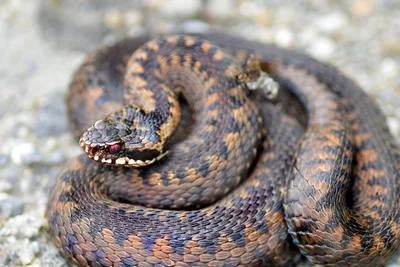
As global temperatures rise, a concerning trend emerges: the risk of snakebites due to encounters with venomous reptiles is increasing. This phenomenon, driven by climate change and habitat alterations, is documented in a significant study led by the World Health Organization (WHO). The research highlights how various snake species are expanding their ranges, leading them into closer proximity with human populations.
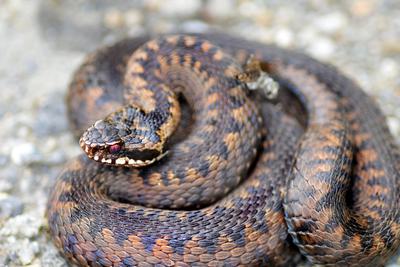
Global Shifts in Snake Populations
Across continents, venomous snakes are creeping into new territories as they adapt to shifting environmental conditions. Notable examples include spitting cobras in Africa, vipers in Europe and South America, cottonmouth moccasins in North America, and kraits in Asia. These snakes are navigating the impacts of climate change, seeking out cooler habitats as hotter conditions become increasingly inhospitable.
The predictions suggest that this trend will escalate in the coming decades. While many snake species face significant habitat loss, particularly due to human activities like deforestation and urbanization, some of the deadliest varieties are expected to proliferate in areas where they haven’t historically been found. This transition could have serious implications for billions of people living in newly affected regions.

“The overlap between humans and venomous snakes will be greater,” stated David Williams from the WHO and the University of Melbourne. This increased intermingling raises the likelihood of human encounters with snakes, presenting risks in everyday situations like walking in gardens or rural fields.
The Scourge of Snakebites
Estimating snakebite incidents can be challenging given that many cases occur in remote areas where they go unreported. Current estimates suggest around 4 million snakebites happen annually, predominantly in tropical regions. While the vast majority are non-fatal, the World Health Organization attributes approximately 138,000 deaths and 400,000 permanent disabilities to snakebites each year, with nearly half of these fatalities occurring in South Asia alone.

This study, published in PLOS Neglected Tropical Diseases, aims to bridge the knowledge gap regarding snakebite risks in the context of changing climatic and demographic trends. By employing a variety of data sources—including public and private databases, museum records, and expert assessments—the researchers meticulously mapped the global distributions of 508 medically important snake species down to a grid of one square kilometer. They projected the potential shifts in snake populations in relation to human settlements by 2050 and 2090.
Impact on Vulnerable Species
The research unveiled a dual threat: while human encounters with snakes escalate, many snake species face dire consequences from climate change. Puff adders in Africa, coral snakes in the Amazon, and copperheads in Australia, for instance, may struggle to survive due to habitat degradation caused by increased temperatures and land use changes.

Some snakes, however, are expected to migrate. The black mamba represents one such species, predicted to move away from coastal areas of Kenya toward the southern regions of Africa and parts of Nigeria and Somalia. Such shifts could introduce these venomous snakes into environments where local populations lack familiarity with their presence, amplifying the risks of snakebites.
In the U.S., cottonmouth moccasins may extend their range northwards, potentially reaching states like New York. Similarly, kraits in Asia may migrate from forested areas in Myanmar and Yunnan, China, into dense urban regions—bringing them face-to-face with populations unaccustomed to the dangers these snakes pose.
In India, which struggles with around 60,000 snakebite fatalities per year, deadly species like cobras, Russell’s vipers, and kraits are also predicted to shift northward into more populated regions. “In 50 years, species will appear where they have not been found before, putting them into contact with people who have not been used to this particular problem in the past,” said Williams, emphasizing the reality of new encounters in everyday settings—farmyards, water bodies, and public spaces.
Addressing Healthcare and Prevention
Communities in poorer, rural areas are expected to face greater dangers. Workers typically barefoot in fields and lacking access to healthcare services have limited capacity to mitigate the risk of snakebites. In contrast, wealthier nations, such as Australia, which also have numerous venomous snake species, tend to report lower mortality rates thanks to better healthcare access and preventive measures like protective footwear.
The researchers assert that their findings can help health authorities focus resources on high-risk areas, enhancing strategies for both snakebite prevention and snake conservation efforts. Effective planning could include decisions regarding antivenom stockpiling, improving healthcare accessibility in remote communities, and paving the way for better education regarding snake safety.
As climate change continues to reshape environments, it is crucial for authorities and communities to adapt to the growing interplay between humans and wildlife, ensuring public health and safety remains a priority in this rapidly changing landscape.


