Public transit usage in major U.S. cities has surged amid high fuel prices, indicating a shift in commuter preferences and behaviors.
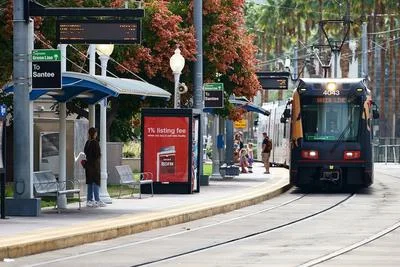
Public transportation systems across the United States are witnessing an uptick in ridership as high gasoline prices continue to affect consumer behavior. Cities like Los Angeles, the San Francisco Bay Area, Chicago, and Boston have reported significant increases in weekday public transit usage, with growth rates ranging from 8 percent to 13 percent.
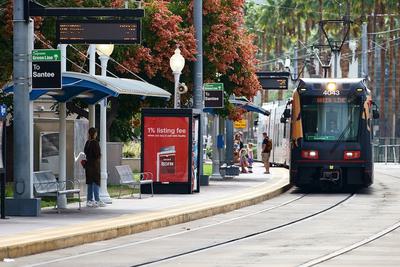
In Los Angeles, weekday transit ridership has risen by 8 percent since the beginning of the year, while the Bay Area's regional train system experienced an 11 percent increase. Similarly, Chicago and Boston both saw an impressive 11 percent and 13 percent rise, respectively. These figures illustrate a broader trend of urban dwellers turning to public transport as a cost-effective alternative during this period of financial strain stemming from high oil prices.
The exact correlation between rising fuel prices and increased public transit use remains somewhat unclear. A recent analysis conducted by the New York Federal Reserve suggests that many Americans are managing to reduce gasoline consumption—possibly by carpooling or pivoting to public transit options when accessible. This trend highlights an adaptive response to ongoing economic pressures.

Research from the University of Maryland adds nuance to this understanding, indicating that for every 10 percent increase in gasoline prices within a year, demand for public transit typically rises by 1.2 percent. “The cost pressure accumulates over time,” noted Hiroyuki Iseki, the study's lead author, emphasizing a gradual shift in travel patterns. This data suggests that as fuel prices climb, commuters increasingly seek alternatives, leaning on public transit as a viable option.
Global Trends in Public Transit Usage
The trend isn't isolated to the U.S.; cities worldwide are similarly investing in public transport initiatives to mitigate the impacts of high fuel prices. Nations ranging from Chile and Egypt to Pakistan and Singapore are actively promoting public transportation as a strategic response. Some are even offering significantly reduced fares to encourage ridership. For instance, Sweden has halved the price of monthly transport passes, and in parts of the Philippines, bus rides have been made free for students and workers. Such measures not only make commuting more affordable but also align with global sustainability goals.
The International Energy Agency (IEA) underscores the benefits of shifting from private vehicle reliance to public transportation. Their recent roadmap indicates that if commuters transition to public transit options, countries could potentially diminish oil consumption for car travel by up to 3 percent. This is a compelling argument for city planners and policymakers striving to balance economic factors and environmental sustainability.
The Implications for Urban Planning and Sustainability
The rise in public transit ridership could signal a critical turning point for urban transportation policies. As more individuals opt for public transport, city governments might seize this opportunity to invest in infrastructure improvements. Enhanced services, expanded routes, and more frequent schedules could consider the heightened demand, encouraging further ridership and fostering a less car-dependent culture.

In addition, boosting public transit usage aligns with broader environmental goals. As cities grapple with rising greenhouse gas emissions contributing to climate change, reducing reliance on private vehicles and elevating public transport can help mitigate these effects. This further emphasizes the pivotal role that public transit plays not only in daily commuting but also in achieving climate action targets.
However, this transition isn't without challenges. Cities must grapple with potential funding constraints, infrastructure limitations, and the need for increased capacity to accommodate the surge in passengers. Moreover, ensuring the safety and reliability of public transit systems during and post-pandemic is crucial in maintaining public confidence. Addressing these concerns through innovative solutions—like integrating technologies that enhance efficiency and passenger experience—can catalyze sustainable transportation trends.
Looking ahead, it's crucial to monitor the sustainability of this shift in transit dynamics and the long-term implications it brings. Understanding how these patterns might evolve in response to fluctuating fuel prices and ongoing urban development will be essential for meeting both current demands and future challenges. Integrated approaches that factor economic, social, and environmental considerations will ultimately dictate the success of public transit systems in shaping a more sustainable urban future.
As cities continue to navigate high fuel prices, the ongoing increase in public transit ridership offers a glimpse into how commuter habits can change in response to economic pressures. This adaptability may well set the stage for a profound shift in urban transport paradigms, positioning public transit as an increasingly preferred choice for many Americans.


