Recent research indicates a growing risk of collapse for key Atlantic currents, urging immediate action on emissions to mitigate climate impacts.
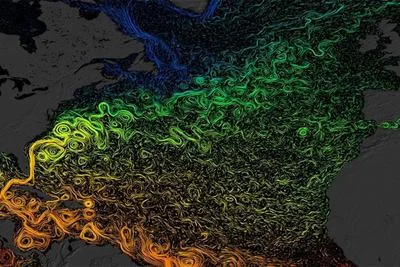
A critical system of ocean currents known as the Atlantic Meridional Overturning Circulation (AMOC) faces an increasing risk of collapse due to climate change. Recent studies indicate there’s at least a 10 percent chance that this collapse may already be “locked in,” raising significant concerns for the climate and weather across northern Europe and beyond.
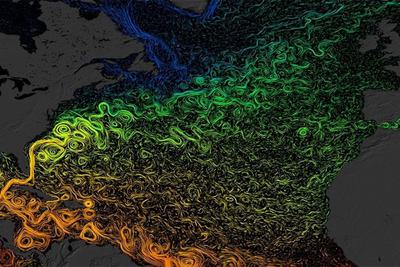
The AMOC plays a vital role in regulating global climate by transporting warm water from the tropics to northern Europe. As this water travels north, it cools and becomes denser, sinking and flowing back toward the tropics. This process is crucial for maintaining milder temperatures in western Europe. However, rising ocean temperatures disrupt this natural cycle. Warmer waters are less dense, which inhibits the sinking necessary to maintain the current's strength.
Compounding this problem is the influx of freshwater from the melting Greenland ice sheet. Freshwater is lighter than saltwater and further disrupts the AMOC’s circulation patterns. According to a recent modeling study, even in scenarios where global emissions peak as early as 2025 and the Greenland ice undergoes limited melting, there remains a considerable chance—around 10 percent—that the AMOC could ultimately reach a point of no return.

The study highlights more severe outcomes if Greenland continues to lose significant ice mass. Under such scenarios, the likelihood of AMOC collapse increases to about 23 percent. These estimates underscore the urgency of addressing climate change to mitigate severe disruptions in oceanic circulation that could drastically lower temperatures in northern Europe.
For context, if the AMOC were to collapse, temperature anomalies in northern Europe could range from 5 to 15 degrees Celsius (9 to 27 degrees Fahrenheit) cooler than current averages. Such changes could alter precipitation patterns, severely affect agriculture, and lead to harsher winters, with far-reaching consequences for ecosystems and economies alike.

Implications for Climate Policy and Action
The stakes are incredibly high, and researchers are calling for immediate and aggressive action on emissions reduction. Tim Lenton, a coauthor of the study from the University of Exeter, emphasized the dire need for a rapid transition to net-zero emissions scenarios. He stated, “What the model is saying to me is, ‘Let’s do everything in our power to get to net-zero as quickly as possible to try to keep this probability down at the 10 percent level.’” This reflects a growing sentiment among scientists that proactive steps must be taken now to avert catastrophic changes to the climate system.
This situation echoes an ongoing pattern seen in climate studies where the feedback loops triggered by warmer temperatures lead to further warming. This instance demonstrates how climate change can initiate changes in crucial environmental systems that might be irreversible, creating a new normal that would challenge future generations.

Looking Ahead: The Need for Robust Climate Strategies
As the global community grapples with how best to mitigate these risks, implications for local businesses, households, and governance become apparent. There will be a pressing need for investment in resilient infrastructure, adaptive agricultural practices, and community-level preparedness planning. The potential for severe climate disruptions emphasizes the importance of local innovations, such as green energy initiatives and sustainable practices across various sectors.
Investing in technologies that enhance energy efficiency and enhance carbon removal can also form part of an effective response strategy. Policies that promote renewable energy sources and decarbonization pathways must take center stage. In addition, international cooperation will be vital; global emissions are highly interconnected, and unilateral action may not provide the necessary results.
Ultimately, dynamic and collaborative strategies will be required to ensure that communities are resilient in the face of climate impacts. The projected scenarios serve as a warning to act expediently, as the window for meaningful change may be rapidly closing. A robust, decisive response could change the trajectory of AMOC trends and set a course toward a sustainable future.
To navigate this complex challenge, stakeholders at all levels—from governments to local communities—must prioritize emissions reduction as a pathway to safeguarding their future against climate extremes and securing the stability of vital oceanic processes. Given the risks outlined, continuing to delay action could compound the dangers posed by climate change.


