Recent studies reveal microplastics in humans, but questions remain about their sources and health effects, highlighting the need for improved detection and understanding.
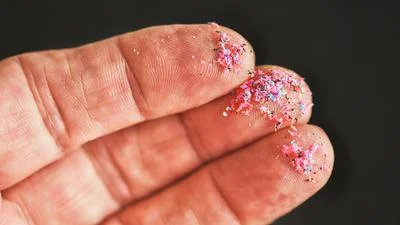
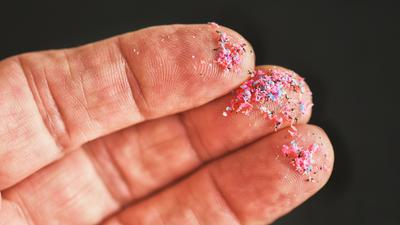
Research has increasingly confirmed the presence of microplastics not just in natural environments but within biological organisms, including humans. Scientists have noted their ubiquitous presence in oceans, soils, and even in the air we breathe, leading to growing concerns about their health implications. Yet, a deeper understanding of how much plastic we actually consume and its effects on our bodies is still developing.
Dr. Cassandra Rauert, an environmental chemist from the University of Queensland, focuses on the impact of microplastic exposure. She emphasizes that current methodologies for detecting microplastics in human tissues may result in contamination, potentially skewing the data reported in studies. Recent findings highlight that blood lipids can mimic the signal for polyethylene, one of the most common plastics, leading to erroneous conclusions about microplastic levels in the human body.

The Contamination Challenge
Rauert’s team faced significant contamination issues in their lab, given the extensive use of plastic in laboratory settings. Recognizing the difficulties involved, they undertook a comprehensive redesign of their workspace, opting for materials that minimize contamination. They employed stainless steel for surfaces, avoided wood and cardboard for mold prevention, and meticulously tested construction materials to exclude plastic residues.

Before initiating their plastic analysis, they installed air samplers to evaluate the background levels of microplastics in their new lab, achieving a notable reduction in plastic and phthalate levels compared to previous working conditions. This detailed approach showcases the lengths researchers must go to ensure accurate assessment of plastic exposure in humans.

Sources of Microplastics in Homes
Dr. Rauert observes that most microplastics enter the human body via inhalation or ingestion, with household sources playing a pivotal role. Dust accumulation, especially in homes, is influenced by synthetic fibers shedding from household textiles and items. Microplastics can largely emanate from consumer products, including tire particles that migrate into household dust and as small plastic fragments can be introduced during food preparation with plastic utensils and containers.

Studies indicate that more dust and microplastic concentrations are typically found indoors, particularly from items like furniture, clothing, and even tire wear debris—a notable source of urban air and indoor dust pollutants. To mitigate exposure, Dr. Rauert suggests simple measures, like vacuuming more frequently to eliminate dust and microplastics accruing in living spaces.

Debunking the Myth of 'Credit Card Worth' Plastic Consumption
A prominent claim suggested that an average person consumes the equivalent of a credit card’s worth of plastic weekly. Rauert firmly states this assertion has been debunked. Research into plastic shedding from food containers shows plastic is indeed released, but at far lower levels than this claim implies. The misconception highlights the importance of clarifying accurate data regarding microplastics ingestion.

Rauert notes that while calculating plastic ingestion rates remains complex, understanding the size, type, and characteristics of microplastic particles is vital. Evidence exists that not all microplastics can be ingested and absorbed; larger particles can be excreted without entering the bloodstream.
Insights into Health Implications
While the effects of chemicals often added to plastics, like bisphenols and phthalates, are well-documented and associated with health risks such as endocrine disruption, the health implications of microplastic particles themselves are less understood. Research is ongoing into how microplastics may affect health independently of these harmful additives. For instance, questions linger about the degree to which inhaling microfibers impacts lung health—whether these fibers can penetrate deeper into lung tissues or be coughed up again.
Most of the particles studied previously, including in toxicology research, have used standardized lab particles that inaccurately represent the real-world fragments people are exposed to. This lack of representative particle size and type in studies limits our understanding of microplastics' potential harmful effects.
The Urgent Need for Further Research
As the presence of plastics continues to escalate, understanding their journey into human biology is paramount. Current gaps in knowledge about microplastic sizes that can cross biological barriers, their retention within the body, and how they interact with human physiology underscore the urgent need for further research. Studies on stool samples have identified various plastic particles, but further investigations are required to discern how many get retained versus excreted.
Dr. Rauert advocates for a more nuanced investigation into microplastics—pushing for studies that reflect the reality of particle exposure people face daily. She emphasizes that while acknowledging the health risks associated with plastics is essential for public health, the focus on eliminating single-use plastics is equally crucial for reducing future plastic pollution.
Conclusion and Future Directions
The challenging journey to fully understand human exposure to microplastics mirrors broader environmental concerns related to plastic pollution. Moving forward, enhanced methodologies for studying these particles in biological contexts can illuminate their potential health impacts. While there has been progress in the detection of microplastics, protecting public health will require a concerted effort to limit plastic production and consumption, along with continued scientific inquiry into their implications.
By deepening our understanding of how microplastics interact with the human body, researchers can guide policy decisions aimed at reducing overall plastic pollution, advancing both environmental sustainability and public health. The interconnectedness of these issues reinforces the need for comprehensive strategies to address plastic use—eliminating unnecessary plastic materials should become a shared goal as we navigate this pressing environmental challenge.


