China’s ambitious $167 billion hydropower project in Tibet faces significant risks from seismic activity, prompting calls for enhanced safety measures.
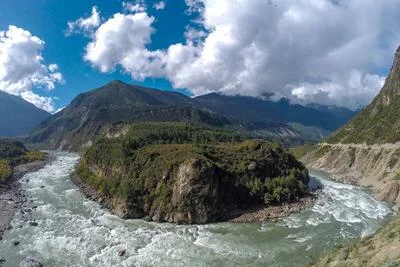
China is moving forward with an enormous hydropower project positioned atop an active fault line in the Himalayas, raising alarms about the potential risks associated with earthquakes. The Yarlung Tsangpo Grand Canyon in Tibet, known as the longest and deepest canyon in the world, is the construction site for this massive undertaking, which began last year and is budgeted at $167 billion. Once complete, the project will comprise five dams with a total generating capacity of approximately 70 gigawatts, an output comparable to that of Poland. While this is a formidable addition to China's energy portfolio, it carries significant risks, particularly from seismic activity inherent in the region.
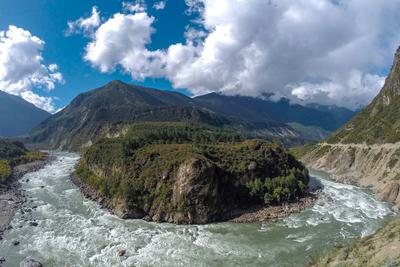
Seismic Risks and Geological Challenges
Despite its potential to significantly boost energy production, experts are raising concerns about the seismic risks inherent in the project. Tibet is located in a tectonically active region, as evidenced by a devastating 7.1 magnitude earthquake near the border with Nepal earlier last year, which claimed over 120 lives and destroyed more than 3,600 structures. The South China Morning Post cites scientists warning that ongoing seismic activity makes the dam particularly vulnerable. This situation poses a serious question: how can engineers ensure the safety of a project of this magnitude in a region synonymous with earthquakes?

In a recent scholarly article published in Sedimentary Geology and Tethyan Geology, researchers highlighted the precarious condition of the terrain at the site. They characterized the geological structure as having "loose structure and weak cohesion," which could exacerbate the risk of landslides triggered by seismic activity. These insights emphasize the need for stringent risk assessments and advanced engineering techniques, especially in light of the region's seismic history. To mitigate these hazards, researchers recommend reinforcing slopes and constructing retaining walls in critical areas surrounding the reservoir. This isn't just a precaution; it's a necessary response to the geological realities of the area.

Effective risk management in hydropower installations, particularly in seismically active regions, is more than a regulatory checkbox. It’s about understanding the intricate dance between engineering and geology. A deeper understanding of geological variability can inform engineering practices, enabling teams to design safer infrastructure capable of withstanding significant geological forces. Integrating geotechnical engineering principles into the dam's design is essential for ensuring the long-term stability and safety of the project. If you're working in this space, you know that overlooking geological factors can lead to dire consequences—both human and ecological.

Ecological Impact and Regional Tensions
Beyond seismic dangers, environmental concerns and geopolitical dynamics also plague the Yarlung Tsangpo project. The river gorge, significant for its rich biodiversity, serves as habitat for endangered species including snow leopards, Bengal tigers, and Tibetan brown bears. Unique ecological features, like a millennia-old cypress tree standing over 330 feet tall, are also at risk due to the construction. The potential disruption to these habitats raises serious questions about the long-term ecological balance in the region. It's not just about energy; it's about the survival of rare ecosystems that have thrived for centuries.
Moreover, the project stirs tensions with neighboring India. Water management has become a sensitive topic in light of the dam's construction. Indian officials fear that the Yarlung Tsangpo dam could be used to manipulate water flow, threatening water security and potentially flooding communities downstream. To counter this perceived threat, India is reportedly planning its own significant dam project along the border, highlighting the complex interplay of water resource management and regional politics. This back-and-forth isn't just tit-for-tat; it represents a larger discourse on resource ethics and the geopolitical implications of shared waterways.
Looking Ahead: Challenges and Future Outlook
As this ambitious hydropower project continues to develop, it will face numerous hurdles. The challenges posed by both seismic vulnerability and ecological preservation must be addressed diligently to avoid catastrophic outcomes. Policymakers and engineers must emphasize sustainable practices that protect not only human infrastructure but also the delicate ecosystems affected by their decisions.
Here’s the thing: maintaining transparency between China and neighboring countries could foster dialogue on mutual concerns regarding water security and environmental stewardship. Proactive collaboration might lead to more resilient strategies tailored to the realities of climate change and the needs of local communities. This isn't merely a local issue; it reverberates through international relations and environmental responsibility.
The Yarlung Tsangpo dam project represents a significant investment in hydropower, but it must be approached with caution given the high stakes involved. By prioritizing safety and ecological conservation, the project can potentially contribute to clean energy goals while minimizing risks to both people and wildlife. The urgency is palpable. The world watches, and the outcome of this endeavor may well set a precedent for future hydropower projects in similarly sensitive terrains.


