Scientists have identified a new species of monkey, *Colobus congoensis*, in the Congo, highlighting biodiversity and conservation needs in the region.
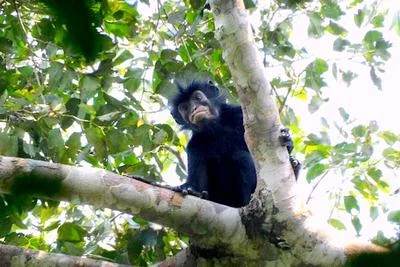
Researchers have unveiled a new species of monkey in the lush forests of the Democratic Republic of the Congo, named Colobus congoensis, or “Likweli” in local dialects. This discovery marks just the fifth new species of African monkey documented in 75 years, underscoring the rich yet underexplored biodiversity of the Congo Basin.
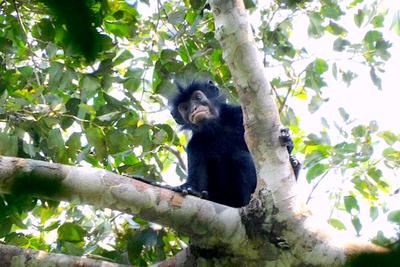
Characterized by its distinctive orange fur around the mouth and smaller stature compared to other colobus monkeys, the Likweli showcases different behavioral traits which set it apart from its relatives. According to Kate Detwiler, a key researcher from Florida Atlantic University involved in the discovery, these monkeys exhibit a notably calm demeanor when approached. “Unlike many primates that retreat when encountered, the Likweli often prefer to observe from higher branches in the canopy,” Detwiler noted. This intriguing behavior can allow researchers to engage in a mutual observation, sometimes lasting over an hour.

The expedition responsible for this discovery began in 2020, motivated by the reports of a mysterious monkey spotted in Lomami National Park. Initial efforts involved collecting photographic evidence and video recordings, which helped scientists build a case for recognizing this species as distinct yet closely related to the black colobus monkey. Their findings were published in the peer-reviewed journal PLOS One, providing essential documentation for what seems to be a substantial but poorly understood part of the ecosystem.

Threats to Biodiversity in the Congo Basin
The region where Likweli was found spans only about 650 square miles situated between the Lomami and Lilo rivers. Unfortunately, this small range contributes to concerns regarding its population sustainability. The monkey's elusive nature and scarce numbers mean many locals were previously unaware of its existence, emphasizing the urgent need for conservation initiatives in this biodiverse area.

Given the limited distribution and population estimates, researchers like Detwiler recommend that Likweli be classified as endangered. The recognition of a new species in such a vulnerable environment directs attention toward the ongoing challenges threatening the forest, including logging and habitat destruction. Identifying and characterizing new species like Likweli underlines the importance of adopting conservation measures to protect their habitat.
Significance of Biodiversity Conservation
Every new species found provides vital insights into the complexity of ecological interactions within their habitats. This discovery invites significant implications for conservation strategies within the Congo Basin, where many species remain undocumented or misunderstood. Furthermore, it reveals the interconnectedness of local communities and biodiversity; the presence of previously unknown species reinforces the need for collaboration with local populations in conservation efforts.
The rarity of discovering new monkey species highlights the extent of biological knowledge yet to be uncovered, especially in biodiversity hotspots like the Congo. As preservation efforts are contemplated, it is imperative to involve local communities who play a crucial role in protecting these habitats. Raising awareness about the Likweli can enhance local conservation initiatives, turning the observation of a new species into a communal cause that benefits both wildlife and the people who share their environment.
The Path Forward
Going forward, researchers stress the need for increased biodiversity assessments in the Congo to identify additional undiscovered species and inform effective conservation measures. Funding and support for ongoing research in these regions are critical not only for conserving the Likweli but also for protecting countless other species that depend on the intricate ecosystem of the Congo Basin. The enthusiasm surrounding this discovery serves as a reminder of the richness of the world’s remaining wildernesses and the pressing need to protect and understand them before they vanish further.
In conclusion, the revelation of Colobus congoensis as a new species underscores the importance of continuous exploration and research in our natural world. Each discovery holds the potential to guide future conservation efforts, reminding us of the delicate balance between development and preservation in regions teeming with life yet facing numerous threats.


