Changes to the definition of "harm" in the Endangered Species Act could severely threaten numerous vulnerable species by allowing habitat destruction.
Recent modifications to the definition of “harm” within the Endangered Species Act (ESA) could have dire consequences for various endangered species across the United States. The change, solidified on July 14, allows for the destruction of critical habitats as long as individual animals are not directly harmed. This shift represents a significant departure from a legal framework that has long protected both species and their ecosystems.
The Redefinition of "Harm"
Historically, the ESA's definition of harm encompassed habitat destruction, which was essential for protecting numerous species. The Trump administration's new interpretation restricts “harm” to tangible injuries to individual animals, opening the door for extensive habitat loss without legal consequences. Interior Secretary Doug Burgum framed this change as a matter of “common sense,” but wildlife advocacy groups argue it undermines the primary purpose of the ESA and sets a troubling precedent for species protection.
Legal actions are currently underway to halt this rule from taking effect on September 14. Under the previous framework, the ESA successfully prevented 99% of listed species from extinction by mandating federal protection and restoration of critical habitats. The implications of this revision signify that, without an obligation to protect habitats, many species face increased risks of extinction.
Endangered Species at Risk
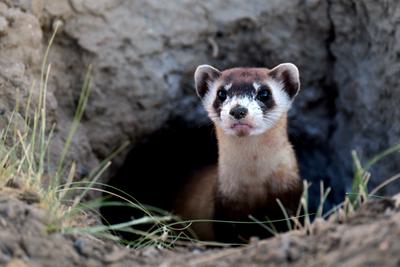
Under the new definition of harm, developers may freely build in habitats crucial for the survival of species such as the black-footed ferret.
One of the species in imminent danger due to the new rule is the black-footed ferret, often deemed America’s most endangered mammal. This species, once presumed extinct, experienced a pivotal recovery thanks to the ESA's habitat protection measures. Alive today are approximately 500 black-footed ferrets in the wild, alongside around 280 in captive breeding. The elimination of habitat protection means that ranchers, developers, and agencies could directly kill or poison prairie dogs—essential to the ferret’s survival—leaving these creatures with no chance of endurance.

Cascading Effects on Other Species
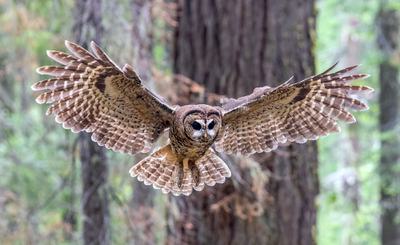
The fate of the northern spotted owl also hangs precariously under the revised definition. This owl species relies heavily on dense old-growth forests in the Pacific Northwest. Threatened by logging activities that fragment their habitats, the northern spotted owl faces challenges as the U.S. Fish and Wildlife Service has already noted the necessity for an endangered status upgrade due to its declining population. The prior definition of harm barred logging without special permits that assured protections; now, this argument is effectively nullified.

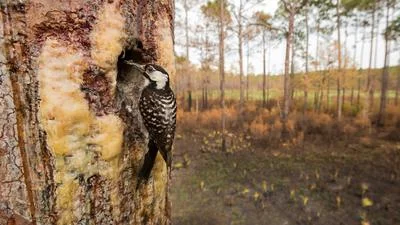
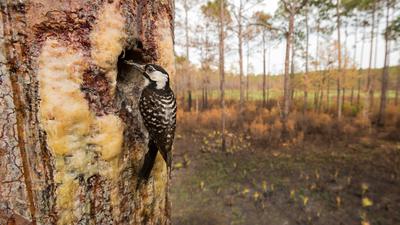
Before the ESA, habitat destruction from logging led to extinction risks for species such as the red-cockaded woodpecker.
Similarly, the red-cockaded woodpecker—another remarkable success story of recovery through ESA initiatives—now stands to suffer. Traditionally, woodpeckers depended on longleaf pines and the ecological processes that allow these trees to thrive, including periodic wildfires. Logging, combined with fire prevention, has severely depleted their habitat over decades. From around 3 million acres of longleaf forests that once supported millions of these birds, merely 3 million acres remain, with populations declining to below 15,000 birds by 1995.

The ESA’s provisions allowed the establishment of “Safe Harbor” agreements, enabling landowners to create critical habitat in exchange for logging rights, ultimately increasing the woodpecker population by 430% from the late 1970s until 2024 when they were reclassified from endangered to threatened. Had the Trump administration's redefinition been enacted earlier, these essential conservation efforts would have been truncated, risking the species' population recovery.
Public Response and Legal Challenges
Public sentiment towards the newly adopted "harm" definition has been overwhelmingly negative, with approximately 99% of over 360,000 public comments opposing the rule. Despite this, the Trump administration neglected to address these widespread concerns adequately. Federal agencies are required to consider public feedback when implementing new regulations, yet the process has demonstrated inconsistency with established protocols.
While proponents of the new rule argue that it does not apply to federal lands managed by the National Park Service, surrounding habitats essential for the survival of many listed species remain under threat. Species like grizzly bears and Canada lynx roam beyond park boundaries, relying on connected ecosystems, which will be compromised under the new rule.
Long-Term Implications
Overall, the repercussions of redefining “harm” extend far beyond individual species. The black-footed ferret, northern spotted owl, and red-cockaded woodpecker are only a few examples of how this change could push many more species towards extinction. The ESA, acclaimed for its effectiveness in wildlife protection, risks becoming obsolete if these shifts are permitted to take hold.
Without the legal requirement to protect habitats, threats multiply for ESA-listed species, increasingly isolating populations and diminishing genetic diversity. Conservationists and wildlife advocates recognize the survival of these species now hangs in the balance, reliant on an ongoing legal struggle to preserve the foundational principles of the Endangered Species Act.
Moving forward, the outcome of pending lawsuits challenging the revised rule will be crucial in determining the future of America’s endangered species. If the courts rule in favor of the plaintiffs, a significant victory for both wildlife and the integrity of the ESA may be achieved. In contrast, the acceptance of the new definition may act as a catalyst for widespread ecological and species loss across the nation.
Comprehensive engagement—from grassroots activism to scientific advocacy—will be necessary to navigate the challenges ahead and uphold the protections that the ESA has historically provided. The fate of countless species now relies on collective efforts to safeguard the ecosystems upon which they depend for survival.


