Research shows mountain lions in Washington state significantly decrease deer presence near roads and reduce traffic accidents involving deer.
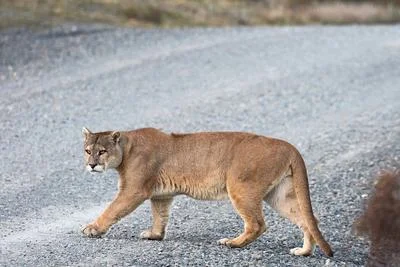
Recent research conducted in Washington state reveals an unexpected benefit of the mountain lion population on the Olympic Peninsula: a marked reduction in vehicle collisions involving deer. By deterring deer from venturing near roads, mountain lions may contribute to pedestrian and vehicular safety where these predators roam.
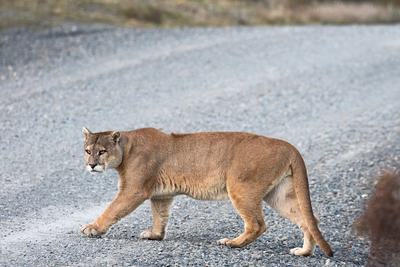
The study, published in the journal Current Biology, explores the intricate predator-prey dynamics between mountain lions (or cougars) and deer. Predators are known to influence prey behavior, prompting them to alter their movements and habitat use. Historically, researchers have speculated that such behaviors could lead to fewer deer on roads, but empirical evidence in areas with established predator populations was limited. This study finally provides concrete findings supporting this theory.
Research Methodology and Findings
The research team utilized camera traps placed strategically across the Olympic Peninsula, paired with collision data from local transportation authorities, to analyze the relationship between mountain lion activity and deer behavior. The results were compelling: areas with higher concentrations of mountain lion activity saw deer avoiding roads by 15 percent compared to regions where these predators were less active. This behavioral change led to a staggering 67 percent reduction in the likelihood of traffic accidents involving deer in those areas.

Co-author Mark Elbroch, a scientist with Panthera, a global wild cat conservation organization, emphasized that our understanding of mountain lions often revolves around the potential threats they pose. However, this study shifts the focus, highlighting the many ecological benefits they provide, especially regarding traffic safety.
The Broader Implications of Predator Management
This research underscores the role of apex predators in maintaining healthy ecosystems. The presence of mountain lions not only benefits biodiversity but has tangible social implications for communities. Fewer deer on roads means a decrease in potential collisions, which can result in costly damages and even human fatalities. By promoting awareness of the natural functions that predators serve, conservationists may advocate for better strategies in wildlife management that can bolster both ecology and public safety.

Furthermore, the study adds nuance to conversations around wildlife corridors and habitat connectivity. As urban development continues to encroach on wildlife habitats, understanding predator-prey dynamics becomes crucial. Wildlife corridors can facilitate both animal movement and the maintenance of healthy populations of predators, which in turn can mitigate human-wildlife conflict.
Understanding the Costs and Benefits of Predation
Despite these positive findings, it's crucial to acknowledge the complexities inherent in predator-prey relationships. Mountain lions can pose threats to livestock and domestic animals, fueling tension between agricultural communities and wildlife advocates. Effective communication and management practices will be necessary to balance conservation efforts with the needs of local economies.

Ultimately, maintaining a sustainable coexistence between humans and mountain lions, and mitigating the associated challenges, will require collaborative approaches that consider ecological benefits alongside economic impacts. This includes measures like fencing and signage in high-traffic areas and developing policies that address livestock protection while recognizing the mountain lion's role in ecological health.
Looking Ahead: What Can Be Done?
As research continues to illuminate the interdependencies within ecosystems, policymakers and community leaders should consider these findings in future land-use planning and wildlife management efforts. Integrating scientific insights into decision-making can lead to innovative solutions that prioritize biodiversity and community safety.
The study serves as a reminder that apex predators like mountain lions can play an instrumental role in shaping their environments in ways that benefit human communities as well. Acknowledging both their ecological significance and potential challenges allows for a more informed and balanced discourse on wildlife management. By recognizing these connections, we can pave the way for more effective conservation strategies that respect both the needs of wildlife and human communities.
In summary, mountain lions do more than just hunt deer; they indirectly contribute to safer roadways and healthier ecosystems. Their role in shaping wildlife behavior provides compelling evidence that the presence of predators can create nuanced benefits for society, challenging us to rethink the management practices surrounding these majestic creatures.


