Research shows that access to urban woodlands in Scotland is linked to a decrease in antidepressant prescriptions, highlighting the importance of green spaces for mental health.

A recent study from Scotland has established a noteworthy correlation between living near urban woodlands and reduced rates of antidepressant prescriptions. The research draws on the Woods In and Around Towns (WIAT) program, initiated in 2005, which promotes the restoration and accessibility of woodlands in deprived urban neighborhoods throughout Scotland.
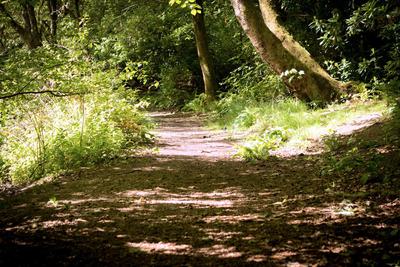
The WIAT program focuses on enhancing public access to green spaces by implementing trails, signage, and pathways, effectively revitalizing nearly 30,000 acres of urban forests. One of its primary objectives has been to improve mental health outcomes for those living in proximity to these green areas. Researchers from the Universities of Edinburgh and Glasgow tracked over 129,000 individuals in Scotland over a five-year period, aiming to assess the program's impact on mental health.
The findings revealed that moving within a 10-minute walk of a WIAT woodland decreased the likelihood of being prescribed antidepressants by 10%, while the chances of receiving prescriptions for anti-anxiety medication fell by 6%. “Our results tell us that relatively modest investments in local green spaces can make a real difference to people’s mental health,” said Scott Ogletree, the study’s lead author from the University of Edinburgh.

Understanding the Mental Health Benefits
The broader implications of this research are notable, particularly when considering the growing body of evidence linking green space access to improved mental health. Prior studies have consistently shown that proximity to green areas contributes to lower stress levels, enhanced moods, and a decreased risk of anxiety and depression. The potential mental health benefits of urban green spaces can be attributed to various factors. Nature exposure allows for physical activity, boosts social interactions, and provides a calming environment that encourages mindfulness and relaxation.
The World Health Organization advocates for urban planners to ensure the availability of at least one acre of green space within 1,000 feet of every home, aiming to promote healthier communities. This recommendation is particularly relevant as urban areas continue to expand and populations become increasingly disconnected from nature. The accessibility of urban woodlands could serve as a significant community resource, promoting physical and mental wellness, particularly in densely populated regions.

Expanding Research and Community Impact
The results of the WIAT study align with findings from other investigations indicating that green space not only enhances personal well-being but can also contribute to the reduction of violent crime rates in urban settings. While the precise pathways of influence are still being explored, one hypothesis is that increased green spaces promote community interaction and cohesion, ultimately leading to safer environments.
Moreover, the connection between urban biodiversity and mental health is increasingly becoming a focal point for public health discussions. Improved access to diverse ecosystems contributes to physical well-being by providing spaces for exercise and recreation while fostering psychological resilience. Various local and national initiatives are beginning to reflect these insights, emphasizing the integration of nature within urban planning and policy development.

The Role of Local Governance and Community Engagement
For effective implementation of green space initiatives, local governments and community organizations play a critical role in engaging residents and facilitating the involvement of citizens. By including community input into urban planning processes, cities can better understand the specific needs and preferences of their populations. This engagement fosters a sense of ownership and stewardship over local green spaces, enhancing usage and maintenance.
Decision-makers must consider the long-term sustainability of urban woodland projects, ensuring they receive adequate funding and support. The benefits of urban woodlands extend beyond individual mental health; they encompass improved air quality, reduced urban heat effects, and enhanced biodiversity. By prioritizing these initiatives, communities can cultivate healthier living environments that support both cognitive and physical well-being.
Looking Ahead
As discussions about mental health continue to gain importance globally, studies like the one conducted in Scotland serve as a reminder of the intrinsic value of nature in our lives. Future research will likely delve deeper into how varying types and qualities of green space influence mental health outcomes differently, providing further evidence to encourage urban planners to incorporate green spaces into their designs.
Ultimately, the findings from the WIAT program offer hopeful insights into how relatively simple initiatives can yield substantial mental health benefits, thereby enhancing the quality of life for urban populations. As urbanization persists, fostering a closer relationship between communities and their natural environments will be essential for promoting overall health and well-being.
Engaging local residents, prioritizing public access, and ensuring the ecological sustainability of urban woodlands will be key to reaping the full benefits these spaces offer. As we move forward, continuing to connect people with nature should remain a priority in shaping healthier cities for the future.


