Africa is witnessing a solar energy boom led by households and businesses, with substantial unrecorded installations reshaping the continent's energy future.
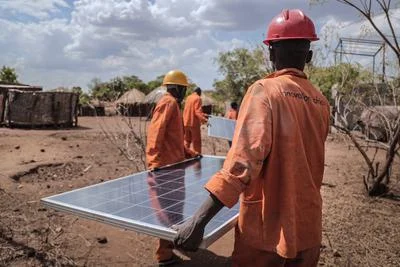
Across Africa, a remarkable surge in solar energy is unfolding, primarily driven by households and businesses opting for rooftop arrays and small solar systems. Unlike traditional methods, this decentralized approach significantly boosts solar capacity, yet it remains largely unaccounted for in official data, underscoring a critical information gap in energy planning.
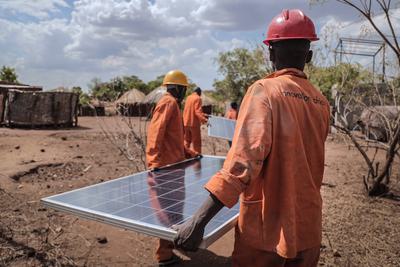
Analysts from the energy think tank Ember and the African Tech Futures Lab have highlighted that the rapid proliferation of distributed solar in sub-Saharan Africa represents an underreported success story. "However, since African countries are running blind to this change, they are not reflecting this rise in distributed solar in their plans," they assert. This lack of visibility not only hampers accurate energy planning but also risks misallocating resources that could support sustainable energy development.
Many solar systems in Africa operate outside the regulatory framework, meaning that most households producing energy cannot sell excess power back to the grid. This situation poses challenges for energy integration and economic viability. The limitation on selling surplus energy prevents wider accessibility and reduces the incentives for more households to adopt solar solutions. Consequently, the absence of systematic data about distributed solar may steer nations toward underinvesting in essential infrastructure, such as battery storage and grid enhancements, or lead to over-investment in fossil fuel energy sources.

To understand the extent of solar developments on the continent, analysts utilized customs data to trace the import of solar equipment from China, a key player in global solar panel production. The findings indicate that Africa is set to add around 17 gigawatts of new solar capacity this year alone, surpassing the continent's average annual demand growth. In a promising trend, 36 countries are projected to install record amounts of solar power by 2026. Notably, 19 of these nations are anticipated to more than double their previous year's installations.
In many regions where unreliable power grids are common, people frequently depend on diesel generators to address regular blackouts. However, recent spikes in diesel fuel prices, exacerbated by global conflicts, have made solar solutions increasingly attractive. Analysts point out that generating the same amount of electricity from a diesel generator costs about as much in diesel every three months as it does to install a solar panel. As a result, solar power is becoming a more economically feasible option for energy generation in these areas.

Opportunities and Challenges of the Solar Transition
The shift towards solar is marked by chaos and disruption, diverging from the orderly transitions planned in national energy strategies. Joel Nana, research director at the African Tech Futures Lab, emphasizes this point, stating, “This transition is chaotic and disruptive, and far from the orderly model planned in national strategies. The choice now is whether these distributed assets remain a parallel power system that compensates for grid failure, or are integrated in ways that unleash a wider range of benefits.”
The integration of distributed solar into the larger energy framework could facilitate improved reliability and accessibility, potentially enhancing economic resilience across communities. The transition also highlights the need for policies that support the growth of renewable energy technologies while ensuring that the infrastructure can accommodate the influx of distributed generation sources.

Furthermore, the consequences of underreporting solar capacity extend beyond energy planning. As nations move forward with energy strategies, they risk miscalculating the existing renewable energy contribution to their overall energy mix. Accurate data on distributed solar growth is essential for governments to adopt measures that genuinely reflect the current energy landscape and make informed investments in renewable energy infrastructure.
This evolving solar landscape underscores a pivotal moment for Africa's energy future. If policymakers and stakeholders can capitalize on the increasing interest in solar power and develop strategies to incorporate distributed generation into the broader energy framework, they may unlock significant economic, social, and environmental benefits.
Looking ahead, the transition to solar energy presents both a challenge and an opportunity. The ongoing solar boom can transform the continent's energy systems if the right measures are in place to support and manage this dynamic shift. The investment in grid upgrades, storage systems, and regulatory frameworks that encourage solar expansions can pave the way for more robust and sustainable energy systems, capable of withstanding the challenges posed by climate change and energy demands.


