Coastal legends offer profound insights into humanity's connection with the ocean, highlighting the importance of conservation and respect for marine ecosystems.

Storytelling has been a fundamental aspect of human culture, serving as a vessel for imparting values, sharing knowledge, and fostering understanding. Across diverse cultures, these narratives provide a wealth of wisdom, especially in coastal communities where the ocean plays a critical role in their lives. Through five unique legends, we explore how these tales carry lessons for both the environment and humanity’s relationship with the sea.

Selkie Stories from Scotland
In Scotland, selkie tales narrate the experiences of seal-people who can transform from seals into humans. These beings are typically portrayed as melancholic figures, torn between their marine home and their human lives. According to the stories, when a selkie's seal skin is stolen, they are forced to live among humans, often forming marriages and families, though they long for the sea. Once the skin is returned, they dive back into the ocean, leaving their human life behind.
This narrative has deep cultural implications, fostering a taboo against overhunting seals and addressing the importance of their conservation. Today, organizations leverage the selkie mythos to promote ocean protection and safeguard gray seal populations, which continue to face threats from abandoned fishing gear and historical culling practices that the selkie legend aimed to mitigate.
Pasifika Wayfinding
The Indigenous peoples of the Pacific Islands, collectively known as Pasifika, have relied on intricate storytelling to transmit navigational knowledge across the vast ocean for over 3,000 years. Their tales include the demigod Māui and the lessons learned about celestial navigation using stars and natural phenomena. For instance, the appearance of the Pleiades constellation signals optimal conditions for setting sail, illustrating the profound connection between storytelling and the maritime culture of these communities.
Wayfinding is not merely a tradition; it is a sophisticated science rooted in direct observations and hands-on experiences at sea. Storytelling serves as an effective medium for preserving this extensive knowledge, ensuring that each generation inherits critical information for successful navigation.
The Aztec Goddess Chalchiuhtlicue
In Mexico, Chalchiuhtlicue is revered as the goddess of water, controlling lakes, rivers, seas, and oceans. As a central figure in Aztec cosmology, she is revered for her dual nature as both a creator and destructor. Her stories underscore the power of water in agricultural abundance and the threat of floods. The Pacific and Gulf coasts of Mexico, biologically rich yet vulnerable to storms, reflect this complex relationship with water highlighted in these legends.
This understanding of water as a vital yet potentially destructive force resonates with many Indigenous cultures in Mexico that view water as foundational to their existence, exemplifying the intricate balance needed to respect and manage marine environments.
Grandfather Whales in Vietnam
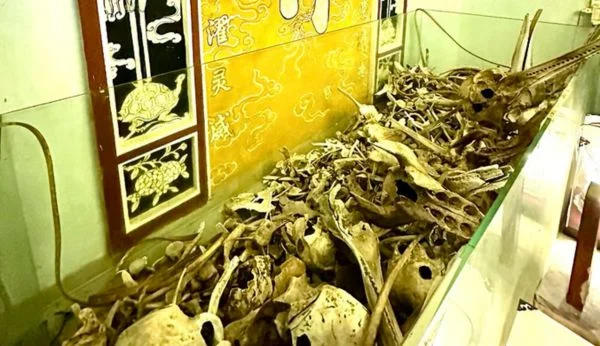
Vietnam’s coastal communities honor whales as protective spirits, often referred to as Cá Ông or "Grandfather Whales." These narratives suggest that whales aid fishermen during storms, guiding them safely to shore. Rituals such as the Whale Prayer Festival, celebrated biannually, demonstrate the reverence for these creatures, and many villages conduct elaborate funerals for beached whales to express gratitude and maintain a reciprocal relationship with them.
Observations of whale behavior lend credibility to these stories; species such as sperm whales and humpbacks display assistance to stranded swimmers or distressed boats, reinforcing the communities' belief in whales as guardians. When a whale passes away, traditions honor their lives, reflecting a cultural understanding of their ecological importance.
Mami Wata of the Caribbean
Across the Caribbean, Mami Wata has long been recognized as an ocean deity, often depicted as a mermaid. Varied representations tie her mythology to the complex nature of the marine environment—a region known for biodiversity and violent storms. Mami Wata narratives have evolved through different cultural lenses, illustrating how African slaves adapted this symbolism into their new environments.
The connection between Mami Wata sightings and the decline of manatee populations aligns with what researchers term the “sacred species” effect. The spiritual significance attributed to certain creatures can lead to greater conservation efforts, showcasing how cultural values can protect marine life more effectively than strict legal measures.
Lessons from Coastal Legends
These coastal legends collectively reveal a profound reverence for the ocean, emphasizing a relationship grounded in respect, reciprocity, and understanding. The shared wisdom from these diverse cultures speaks to the critical need for conservation and highlights the threats faced by marine ecosystems today. For instance, aging offshore oil and gas infrastructure poses significant challenges, threatening the habitats of species central to these cultural narratives.
Organizations like Ocean Conservancy advocate for modern policies, such as the proposed Offshore Leasing Standards and Accountability Act, which seeks to require greater accountability from oil and gas companies managing their operations. This reflects the ongoing commitment to protect the ocean, inspired by the very legends that have linked humanity and nature for generations.
Ultimately, the lessons offered through these stories resonate with current efforts to safeguard the oceans. By acknowledging the wisdom embedded within these legends, modern society can better navigate the complexities of marine conservation while fostering a sustainable future.


