Sea turtles possess incredible navigational skills, but human impact complicates their journeys. Understanding these challenges can lead to better conservation solutions.
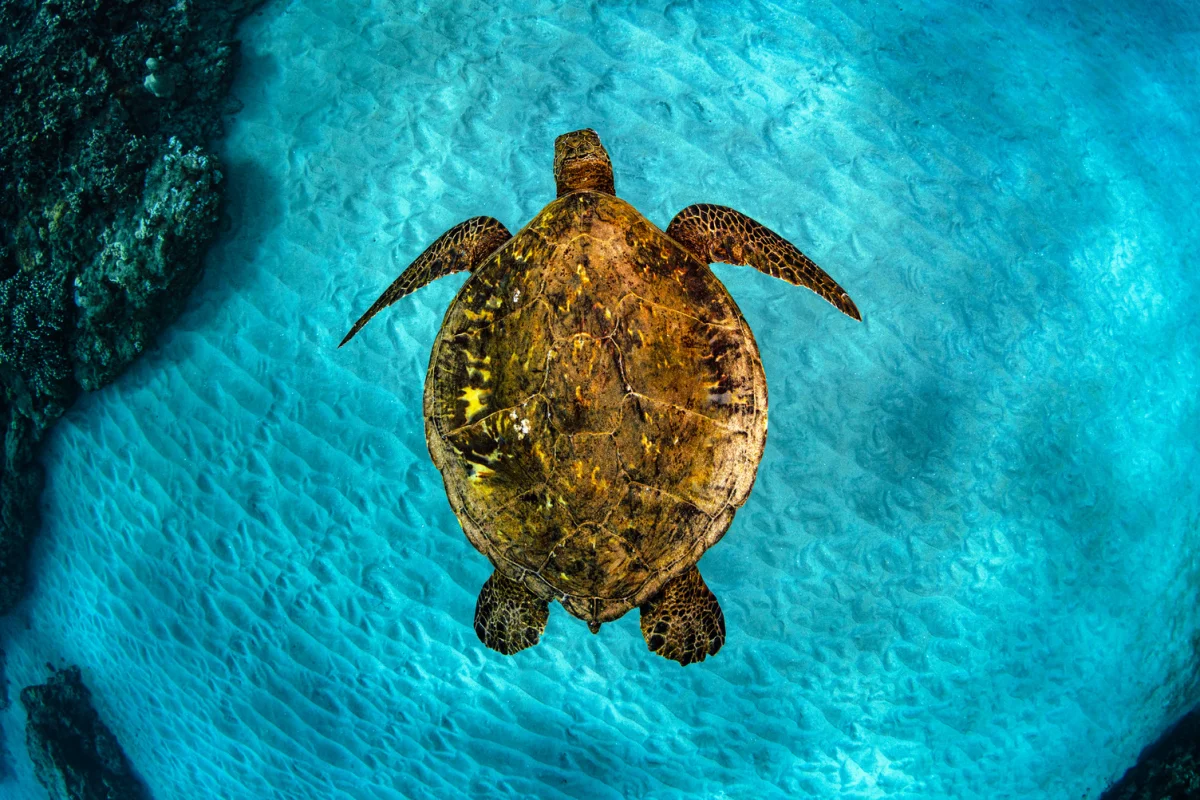
Some female sea turtles undertake impressive migrations, traveling hundreds to thousands of miles across open oceans to nest near their birthplace. Leatherback sea turtles, renowned for their long-distance journeys, migrate more than 10,000 kilometers from nesting sites in Indonesia to the coasts of the United States. This remarkable journey showcases their exceptional navigational abilities, which are still a subject of scientific inquiry.
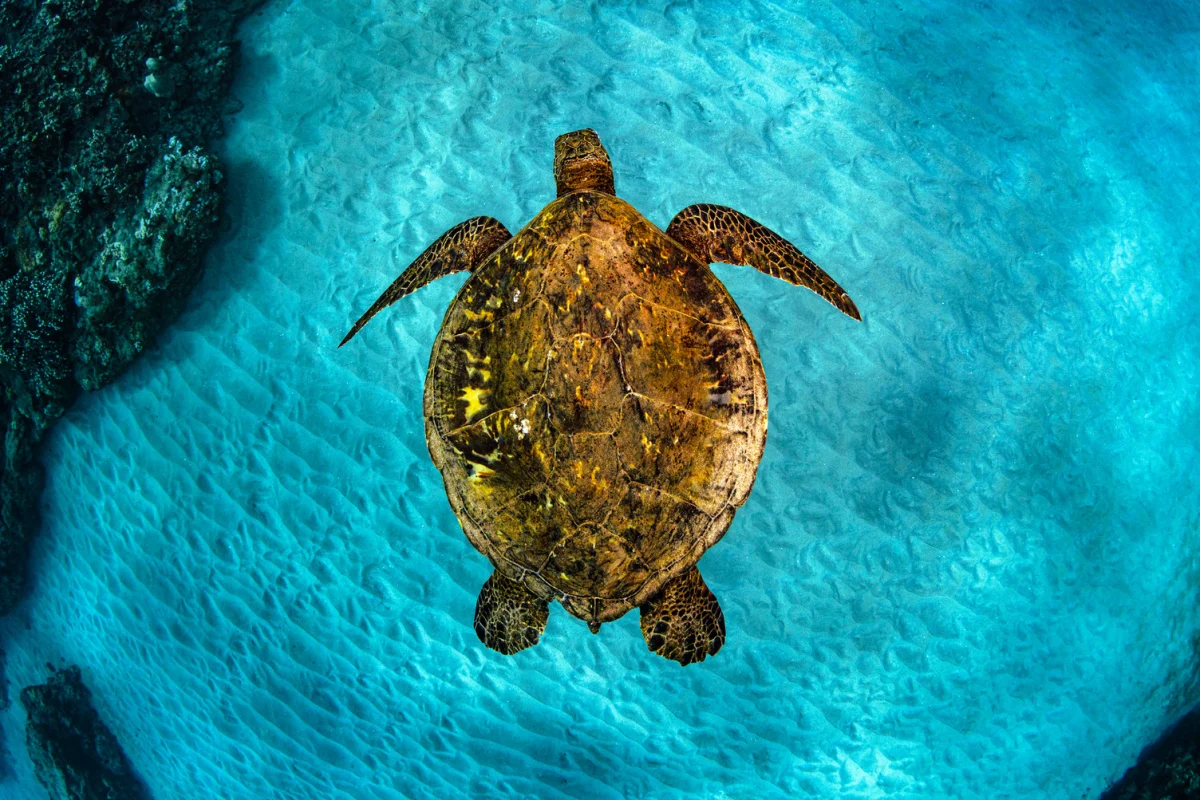
Mapping the Ocean's Magnetic Field
Research indicates that sea turtles utilize Earth’s magnetic field for navigation. This unique skill enables them to discern their location through variations in the magnetic field’s strength and angle. These subtle magnetic cues are particularly crucial during the nesting phase, known as natal homing, when turtles return to the same beaches where they hatched. While their innate navigation system is impressive, it is increasingly challenged by human-induced obstacles in their environments.
Human Impacts on Sea Turtle Navigation
Even with their skilled navigation, sea turtles often encounter numerous hazards that complicate their travels. One major concern is coastal development, which brings artificial lighting that can disorient both nesting females and hatchlings. Hatchlings naturally emerge from their nests at night and typically orient themselves toward the ocean's horizon. However, artificial lights can mislead them, pulling them inland instead of guiding them seawards, which can lead to fatal outcomes.
Beyond the light pollution, coastal construction alters vital nesting habitats. Heavy shoreline developments—such as seawalls—can eliminate the essential dry sand necessary for nesting, while increased beach traffic further disrupts these critical areas. These habitat changes not only hinder nesting but disrupt breeding cycles, which are crucial for population sustainability.
Noise Pollution in Marine Ecosystems
The oceans are also becoming increasingly noisy due to human activities. Turtles have internal ears sensitive to underwater sounds and can hear noises made by boats, construction, and surveying activities. Elevated noise levels can cause stress and behavioral changes in these animals, potentially pushing them away from preferred habitats and disrupting migratory paths. This shifting soundscape compounds the natural challenges they face during their long migrations.
The Threat of Plastic Pollution
Plastic pollution presents another significant and widespread threat to sea turtles. Over the last six decades, plastic products have flooded marine environments, dramatically outpacing the turtles’ ability to adapt. Turtles, which traditionally hunt for drifting prey like jellyfish, often mistake plastic bags and other debris for food, leading to severe health risks. Ingestion of plastic can cause obstructions in their digestive systems or even puncture their organs, with research indicating that nearly half of the sea turtles studied had ingested plastic. Alarmingly, adult loggerhead turtles can face a 50% mortality rate from consuming plastic that amounts to just 1.5 times the size of a golf ball.
The Resilience of Sea Turtles Amidst Modern Threats
Sea turtles have survived for millions of years, outlasting many environmental changes, including the extinction event that wiped out the dinosaurs. However, the threats they face today—including habitat loss, vessel strikes, fishing gear entanglement, and climate change—are unprecedented in both nature and scale. Importantly, many of these challenges are manageable through proactive human efforts; they are not fatalistic occurrences.
A Call for Action
Awareness and action can significantly mitigate the external threats facing sea turtles. Collective efforts to reduce plastic pollution, restore nesting habitats, and support protective policies for marine ecosystems can greatly benefit these majestic creatures. Engaging the community in conservation initiatives and educational campaigns can make a real difference.
So, do sea turtles get lost? Generally not when they rely on their remarkable abilities, but their journeys are fraught with obstacles created by human activity. As we work to ensure these animals can thrive during their migrations, we also have a responsibility to maintain the health of the oceans and coastlines that are integral to their life cycles. In order to support sea turtles and other marine creatures, we must commit ourselves to protecting our oceans and enhancing the conditions that enable their survival.
The sea turtles' journeys remind us of the interconnectedness between nature and human efforts. As we share the planet with these ancient travelers, we must reflect on our role in their continued existence. Every action we take for conservation is a step toward ensuring future generations of turtles continue their awe-inspiring voyages through our world's oceans.


