Amid U.S. fuel shortages, Cuba sees a significant surge in solar energy adoption, driven by imported panels and new government projects.
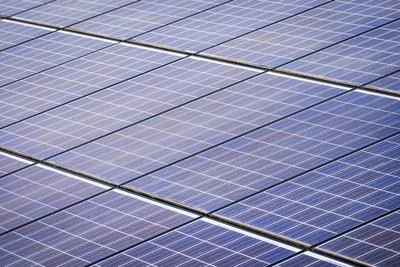
In recent months, Cuba has faced a critical energy crisis exacerbated by the long-standing U.S. fuel blockade, leading to a notable pivot towards solar energy. On Wednesday, the Cuban government announced it had exhausted its stocks of diesel and fuel oil, which has forced the nation to rely more heavily on domestically produced crude oil, natural gas, and rapidly growing renewable energy sources.
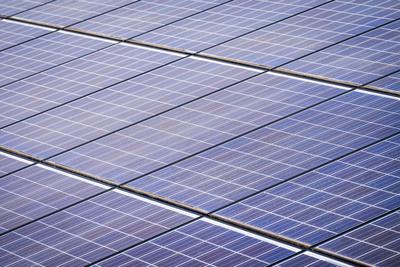
The power grid, already prone to blackouts, has prompted many individuals and communities to seek alternative solutions to energy shortages. In this context, solar energy has become a focal point. Michael Bustamante, chair of Cuban studies at the University of Miami, highlights that "many Cubans have figured out ways to import solar panels" from China, signaling a grassroots response to the deteriorating energy situation.
The country's shift toward solar power began in earnest in 2024, catalyzed by widespread blackouts that redefined how Cubans approach energy generation. In 2023, Cuba imported approximately $3 million worth of solar panels from China. By 2024, that amount skyrocketed to $117 million, as Cubans sought reliable energy solutions in the face of continuous power failures, according to data from Ember.

Recent analysis indicates that solar energy may now contribute as much as 10 percent of Cuba's overall power generation, a dramatic increase from the negligible amounts seen the previous year. Ember analyst Dave Jones remarked, "Cuba is perhaps in the middle of one of the most rapid solar revolutions," a testament to how urgent circumstances can drive significant technological adaptation.
Global Context of Solar Adoption
This surge in Cuba's solar uptake reflects broader trends observed worldwide. Various countries are grappling with energy shortages fueled by geopolitical issues, such as the ongoing conflict in Iran, leading to increased solar panel exports from China. In March, these exports doubled, suggesting an industry reacting to global fossil fuel shocks by pivoting towards renewable solutions.

The Energy Transitions Commission recently underscored this point, stating that current energy crises reveal a "structural vulnerability in the global energy system," specifically the heavy reliance on concentrated fossil fuel supplies and key transit routes. By contrast, the transition to clean energy systems, such as solar, positions countries to be more resilient in the face of such shocks.
Implications for Communities and Households
For Cuban households, the push towards solar energy represents not only a response to energy shortages but also potential long-term economic and environmental benefits. As more people install solar panels, local communities can anticipate decreased dependency on unreliable fossil fuels, which often come at a higher cost and with sustainability concerns.

Investing in solar infrastructure may provide a dual benefit: It could help stabilize the power supply while also reducing emissions. The implementation of solar energy solutions aligns with global efforts to transition to cleaner energy systems, contributing toward Cuba’s commitments to international climate agreements despite the ongoing blockade.
Cuba's solar boom is also significant economically. The influx of Chinese solar panels has created an emerging market in the country, allowing local businesses to thrive and potentially sharing technological advancements. Moreover, the expansion of solar parks aligns with governmental strategies to enhance energy security while building resilience against external shocks.
Future Outlook
Looking ahead, Cuba plans to construct over 50 solar parks throughout the year, showcasing a systematic approach to bolster its renewable energy capacity. This ambitious goal not only emphasizes the country's commitment to sustainability but also highlights the growing synergy between community-led initiatives and government action in addressing energy challenges.
As Cuba continues to navigate the complexities of its energy landscape, the transition to solar energy serves as a powerful example of how crises can foster innovation and adaptation. The ongoing situation reflects a broader narrative about energy resilience, urging other nations facing similar challenges to consider renewable energy as a viable path forward.
This solar shift in Cuba contrasts with trends elsewhere, particularly in regions where fossil fuel infrastructure remains predominant. Yet it presents an opportunity to rethink energy strategies amidst global shifts; more nations might harness the potential of solar energy to ensure energy independence and sustainability, thereby contributing to the global fight against climate change.
This evolving scenario in Cuba underscores the potential of renewable energy adoption amid adversities, as communities proactively seek solutions that align with broader goals of energy transition and climate resilience.


