Illegal gold mining in Brazil's Amazon has led to a significant increase in malaria cases among the Yanomami people, compounding their existing health struggles.
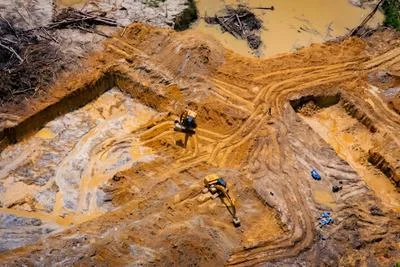
Over the past decade, the Brazilian Amazon has witnessed a troubling surge of illegal gold mining, particularly affecting the Yanomami people. This phenomenon has been closely linked to a dramatic rise in malaria cases among Indigenous communities in the region.

The roots of this crisis can be traced back to 2016 when the mining boom began to take off following changes in regulations that made it easier for miners to operate with minimal oversight. The situation escalated under former President Jair Bolsonaro, whose administration further deregulated mining activities, resulting in thousands of illegal miners invading Yanomami lands. By 2023, estimates indicated that approximately 20,000 miners were operating in this territory, leading to a staggering ratio of about two miners for every three Yanomami individuals.
By the peak of this mining surge, studies indicated that nearly every Yanomami family member tested positive for malaria, underscoring the dire public health crisis facing this community. Researchers have identified three key pathways through which mining exacerbates malaria transmission:

- Migration of Infected Individuals: Those entering the area for mining may already carry the malaria parasite, introducing it to a previously unexposed population.
- Environmental Disruption: The mining process involves clearing forests and digging pits that can fill with rainwater and become breeding grounds for mosquitoes, the primary vectors for malaria.
- Water Contamination: The use of mercury for gold extraction poses dual threats. Not only does it contaminate local waterways, but mercury exposure can weaken the immune system, making individuals more susceptible to malaria infections.
A recent analysis utilizing satellite imagery and health data found that malaria cases within Yanomami territory increased fourfold as illegal mining expanded. The correlation between the intensity of mining activities and malaria incidents was particularly pronounced, as documented in a study published in the journal Biology Letters.
This surge in malaria has had grave implications for the Yanomami community. Infected individuals found it increasingly difficult to perform essential daily activities, such as hunting and farming. With compromised health, their ability to cultivate staple crops like manioc and bananas diminished, leading to widespread food insecurity and starvation among the population.

Media coverage, particularly by outlets such as Yale Environment 360, has highlighted the humanitarian crisis exacerbated by the mining rush, especially its devastating impact on Yanomami children. This demographic has faced the brunt of both malaria infections and malnutrition, compounding their vulnerability in a region already marked by socio-economic challenges.
As the humanitarian crisis unfolded, the political landscape in Brazil shifted following the election of President Luiz Inácio Lula da Silva in 2023. Lula's administration has prioritized environmental protection and pledged to eradicate illegal mining activities from Indigenous territories. Early efforts included mobilizing federal police to dismantle mining operations and expelling miners. By the following year, officials reported significant progress, including the removal of many miners and the destruction of countless mining camps, equipment, and infrastructure, such as barges and aircraft.

Nevertheless, Indigenous leaders have continued to raise alarms about the ongoing malaria crisis. A letter addressed to President Lula in March highlighted that malaria persisted within Yanomami territory despite the noticeable decrease in mining activities. This indicates that while efforts to curb illegal mining are vital, the effects of past activities may linger, complicating recovery efforts.
The intersection of illegal mining and public health emphasizes a broader challenge faced by Indigenous populations in the Amazon. The rise in malaria cases serves as a stark reminder of the intricate connections between environmental degradation and health outcomes. Addressing these intertwined issues requires a multifaceted approach that not only combats illegal mining but also ensures sustainable health interventions and community support.
Experts argue that a long-term strategy involves restoring the ecosystem and enhancing public health infrastructure to mitigate future outbreaks of malaria and other diseases. Ensuring that the Yanomami regain their health and secure their land is central to preserving their way of life. Continued monitoring of health metrics in these regions, alongside the implementation of comprehensive health and environmental policies, will be essential in forging a path toward recovery for the Yanomami people.


