Increasing temperatures in Mecca threaten the safety of Hajj pilgrims year-round, necessitating urgent action on climate change to protect this important religious practice.
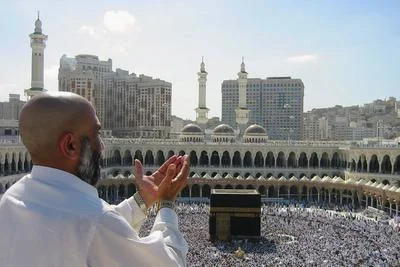
Global warming is profoundly changing the climate in Mecca, Saudi Arabia, posing significant dangers to millions of pilgrims participating in the Hajj. Recent studies indicate that carbon emissions from fossil fuels have led to increasingly frequent extreme temperatures, with May temperatures regularly reaching 104°F (40°C), a level typically seen only during the summer months. Unless urgent action is taken to transition away from fossil fuels, researchers warn that these oppressive heat conditions will affect the pilgrimage season nearly year-round by the century’s end.
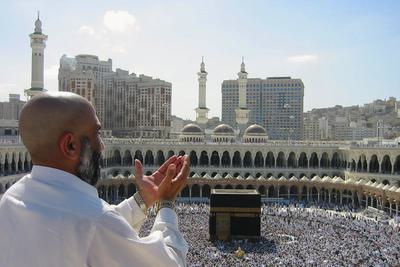
The annual Hajj is a critical Islamic religious obligation, mandated for Muslims who are physically and financially capable of undertaking it at least once in their lives. The pilgrimage involves walking significant distances outdoors over five days, making heat exposure a pressing concern. Recent data reveal that over 1,300 pilgrims succumbed to heat and humidity issues during the 2024 Hajj, held in June—a month traditionally cooler than May.
Remarkably, temperatures that once appeared rare for May are now forecasted to occur once every two to three years due to climate change. As the study published by the World Weather Attribution group notes, May's average temperature has surged by 6.3°F (3.5°C) compared to the pre-industrial era. These changes have rendered May conditions for Hajj as perilous as formerly dangerous summer conditions.

Adaptation Strategies and Ongoing Risks
In response to these rising threats, Saudi authorities have implemented various heat management measures. These include shaded pathways, water stations, misting systems, and enhanced medical services designed to address heat-related ailments among pilgrims. While these strategies have demonstrated some effectiveness in improving safety during the pilgrimage, experts argue that they serve as short-term adaptations rather than long-term solutions.
According to Friederike Otto from Imperial College London, the coauthor of the recent analysis, simply responding to heat-related illnesses isn’t sufficient. A drastic reduction in fossil fuel reliance, which is pivotal to Saudi Arabia's economy, is essential to ensure that the Hajj can be performed safely. “If we don’t rapidly reduce our dependency on fossil fuels, we are consigning millions of Muslims to undertake the Hajj in a climate that is increasingly unsuitable,” Otto stated.

Clair Barnes, also from Imperial College, highlighted the grim reality that each year the window for tolerable Hajj temperatures narrows as global temperatures rise due to fossil fuel combustion. Projections suggest that if the climate continues on its current trajectory, with a potential rise of 3°C by the end of the century, around 97% of Hajj pilgrimages will be exposed to dangerous heat levels.
Long-Term Impact on Pilgrimage Practices
The Islamic lunar calendar’s structure facilitates Hajj moving progressively through all seasons over 33-year cycles. Consequently, pilgrims will increasingly face extreme temperatures regardless of the time of year. The increasing unavailability of safe periods for Hajj not only impacts the pilgrimage but could also deter potential pilgrims from undertaking this vital ritual, raising spiritual and cultural concerns.

The humanitarian challenges posed by extreme heat during Hajj are significant. As noted by Emmanuel Raju of the Copenhagen Centre for Disaster Research, the vast scale of the pilgrimage, combined with prolonged periods spent outdoors, elevates the risk to multiple lives. Even while solutions like misting fans and hydration stations are essential, the overarching reality remains: without committed action to address rising global temperatures, the health and safety of millions of pilgrims could be jeopardized.
Climate policies must strategically prioritize fossil fuel reduction to preserve not only the sanctity and safety of the Hajj pilgrimage but also safeguard broader public health in heat-stressed regions globally. The Ministry of Hajj and Umrah in Saudi Arabia has been invited for commentary on the findings but has not yet responded. As the pilgrimage remains a linchpin of faith for millions, proactive measures to combat climate change will be essential for maintaining a spiritual and physically safe environment in which followers can perform their religious obligations.
Looking toward the future, it’s imperative for stakeholders within the region, particularly those in the energy sector, to engage in meaningful dialogue about transitioning to sustainable practices. Climate adaptation cannot solely rely on temporary fixes but requires systemic changes to climate policies, resource management, and infrastructural planning to ensure that the pilgrimage remains a viable and cherished aspect of Islamic faith. The ongoing discourse around the intersection of climate action and religious observances is critical as we navigate a warming world.


