Digital tools are reshaping conservation efforts, aiding research on plant and fungi species while highlighting the need for broader data access worldwide.

Recent advancements in digital technology are revolutionizing the way researchers approach the conservation of plants and fungi. A comprehensive report from the Royal Botanic Gardens, Kew, reveals how digitization and artificial intelligence (A.I.) are enhancing conservation science, offering invaluable insights into the world’s fragile flora.
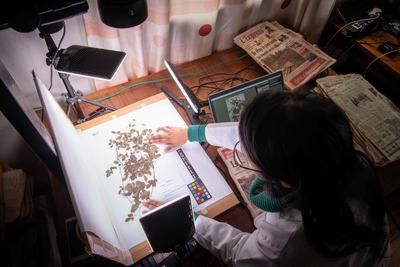
Traditionally, scientists documented new plant and fungi species through meticulous methods involving pressing, drying, and labeling specimens, which were then archived in herbaria. This process provided critical information, including geographical data and blooming periods. However, with the digitization of millions of specimens, researchers can now access and share data on a global scale, fostering collaboration and enhancing conservation strategies.
Insights from Digital Data
In Honduras, for instance, researchers have created an extensive digital record of local ferns, integrating data from both national and international collections. Their findings revealed that a striking 33% of protected fern species were absent from management plans, underscoring a significant gap in conservation efforts. Johan David Reyes Chávez from University College Cork stresses the importance of optimizing limited resources to safeguard these species effectively: “We need to use our limited resources in a smart way in Honduras.”

The application of A.I. is proving particularly beneficial in analyzing vast datasets. A recent study focused on how climate change affects flowering times by examining a staggering 8 million digital specimens. This research uncovered a trend of flowering occurring over two days earlier per decade on average, highlighting the biological impacts of rising temperatures over the past century.
Challenges and Opportunities in Digitization
Despite the promising advancements, significant gaps in digital accessibility remain. Globally, less than 16% of herbarium specimens have been digitized and made available for sharing, primarily in wealthier nations. Kew Gardens recently accomplished the digitization of all 7.4 million specimens within its collection, showcasing the potential for increased knowledge through such initiatives.

However, many “silent herbaria” located in lower-income countries have yet to undergo digitization. In Nigeria, researchers have started efforts to digitize plant and fungi specimens, with only 7% currently uploaded to global databases. Initial findings from these records have already provided critical insights that highlight the vast range of the medicinal plant Cnestis ferruginea, which was found to inhabit an area five times larger than previously understood from international specimens.
Empowering Global Collections
Alexandre Antonelli, executive director of science at Kew, emphasizes the urgent need to empower the world's less-documented collections. He suggests that unless dedicated resources are allocated to support digitization in these regions, we risk losing many species to extinction that could otherwise be protected. The question now is not just about technological capabilities but also about ensuring equitable access and effort in conservation across different nations.

Furthermore, the integration of digital tools in conservation science is indicative of a broader trend in environmental research, where technological advancements are becoming essential in efforts to combat biodiversity loss. The combination of A.I. with traditional botanical research practices showcases a pathway to address ecological challenges more efficiently and accurately.
The Practical Impact on Conservation and Biodiversity
As digital records become more accessible, they can significantly enhance conservation management strategies, allowing regions to prioritize the protection of specific species and habitats. This shift is particularly crucial in areas facing rapid environmental changes and habitat loss. By using digital tools, conservationists can mobilize data-driven insights, influence policy decisions, and prioritize funding for critical conservation programs.
Moreover, broader access to digitized specimens could empower local communities and researchers in biodiversity hotspots to contribute meaningfully to conservation dialogues, ensuring that diverse perspectives and knowledge systems are included. Collaborative efforts are necessary to tackle the dual challenges of preserving biodiversity and adapting to changing climates. By cultivating a more interconnected and data-informed approach to botanic conservation, the scientific community can strengthen efforts aimed at counteracting species extinction.
In conclusion, the digitization of plant and fungi specimens, combined with A.I. analysis, is transforming the landscape of conservation science. By leveraging these tools, researchers are not only gaining critical insights into biodiversity but are also laying the groundwork for a more equitable and effective global conservation strategy. The next critical step lies in expanding these efforts to include all regions, particularly those currently underrepresented in digitization initiatives, to ensure the longevity of our planet's diverse flora.


