The retreat of glaciers deeply impacts Indigenous communities, disrupting spiritual connections and beliefs tied to these vital landscapes.
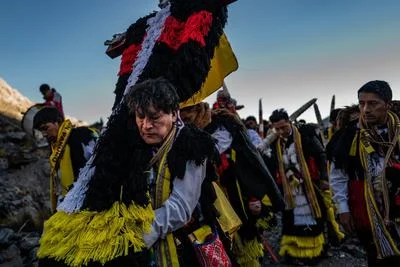
The ongoing retreat of glaciers in mountain regions across the globe, including the Andes and the Himalayas, is more than just a physical phenomenon; it serves as a profound spiritual loss for many Indigenous communities who regard these ice formations as sacred. In a recent paper published in Nature Climate Change, researchers outline how the diminishing glaciers lead to a sense of betrayal among local populations, as they interpret this retreat as a sign of disfavor from their gods or ancestors.
Since 2000, glaciers worldwide have lost approximately 5% of their total ice. This alarming trend is primarily driven by rising global temperatures. However, reports indicate that many alpine communities interpret the glaciers' disappearance not solely as an environmental crisis but as a reflection of their own societal actions and cultural disconnection from the land. "In many regions, mountains, glaciers, and the water originating from them maintain central roles in local religious beliefs and practices," the researchers write. As glaciers recede, so does the deep spiritual connection these communities maintain with their natural environment.
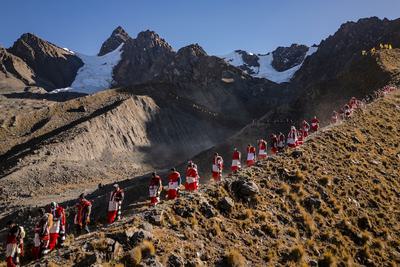
Case Study: The Quechua People of the Peruvian Andes
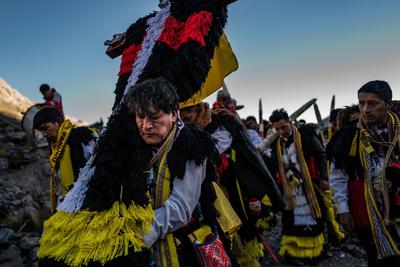
In the Peruvian Andes, the Quechua people perform an annual pilgrimage to the Qulqipunku glacier, a site of great cultural and spiritual significance. Traditionally, these pilgrims would gather ice directly from the glacier, which symbolized purity and a connection with the divine. However, as the glacier retreats, the Quechua have adapted by collecting meltwater instead, which is seen as an inferior substitute. The decreased size of the glacier reinforces a narrative among the pilgrims that the mountain spirit is growing weary of their prayers, leading to an existential questioning of their spiritual practices and beliefs.

The Aymara Perspective
In the Bolivian Andes, the Aymara people view the glaciers surrounding the Milluni Valley as ancestral guardians. The loss of the Chacaltaya glacier in 2009 was particularly traumatic, leading the Aymara to interpret such events as an abandonment of their protectors. The receding ice encapsulates more than just a natural change; it signals a spiritual imbalance that breeds feelings of loss and culpability as community members confront the irrevocable transformation of their landscapes. This loss feels particularly acute in the context of traditional prophecies that foretell ruin if such glaciers were to vanish.

Connections to Global Indigenous Spirituality
Beyond the Andes, similar sentiments are echoed in the Himalayas, where local populations believe that the peaks and glaciers are the homes of protective deities. The cultural significance of these formations complicates the narrative of climate change, as it introduces an emotional and spiritual dimension that is often overlooked in traditional environmental discussions. For many Indigenous communities worldwide, their landscapes are inextricably linked to identity, culture, and spirituality.

One notable perspective comes from lead author Elizabeth Allison of the California Institute of Integral Studies, who asserts, “Local communities express feelings of loss and culpability as their home landscapes are irrevocably altered.” This speaks to a broader sense of existential anxiety pervading diverse Indigenous cultures that rely on these natural formations not merely for sustenance but for spiritual guidance and connection.
The Broader Implications of Glacier Loss
The implications extend beyond emotional distress. The loss of glaciers can disrupt local water supplies, threatening agriculture and food security, which further complicates these communities' struggles. The glaciers' retreat doesn't just mean less ice; it means an alteration in the hydrological cycles that sustain the ecosystems linked to these communities. As rivers fed by melting glaciers dwindle, so too do the resources vital for traditional lifestyles and agricultural practices.
This climate-induced transformation calls for a deeper understanding and recognition of the spiritual ramifications tied to glacier loss. The emotional toll on these communities emphasizes the need for inclusive climate policies that consider cultural perspectives and human connections to the land. Solutions may involve integrating Indigenous knowledge systems into climate action frameworks, supplying space for spiritual and cultural practices, and fostering collaborations that respect these intrinsic connections.
Thus, addressing the implications of glacier retreat requires more than ecological solutions; it calls for acknowledging and remedying the spiritual losses faced by Indigenous populations, allowing their voices and experiences to inform broader climate dialogues. Such an approach not only honors their connection to these vital landscapes but also fosters a more inclusive and culturally sensitive response to global climate challenges.


