Four Ugandan farmers are suing to halt the East African Crude Oil Pipeline, citing environmental and human rights concerns as its October launch approaches.
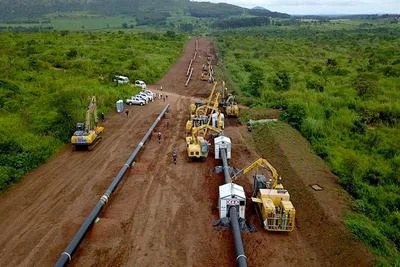
In a significant move against the East African Crude Oil Pipeline (EACOP), four Ugandan farmers have filed a lawsuit in the U.K. High Court, aiming to stop the project from going into operation as planned this October. The EACOP is designed to transport crude oil over approximately 900 miles, from Uganda’s Great Lakes region to the Tanzanian coast. However, its construction has raised serious concerns about environmental protection and the rights of local communities.
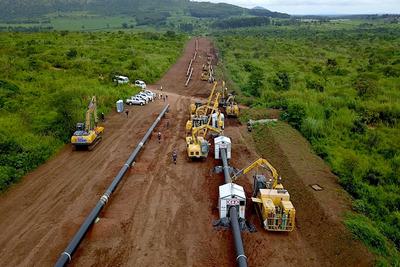
The project, led by French multinational TotalEnergies, has faced widespread backlash from environmental activists and local communities alike, who assert that the pipeline poses a significant risk to both freshwater resources and wildlife habitats. Specifically, the pipeline route intersects with around 230 rivers and traverses 44 protected areas, raising alarms about potential oil spills and ecological damage Yale Environment 360 reported.

Human Impact and Community Resistance
More than just environmental implications, the EACOP project has led to substantial social upheaval. Thousands of individuals have reportedly been displaced due to land acquisitions for the pipeline. Despite this, many affected have expressed dissatisfaction with the compensation they received. Among the claimants, Samuel Abedilembe, articulated the profound effect the land acquisition had on his life: “I now have less land to cultivate and grow enough food to support my family. Our land is our life. Without it, we have nowhere to go.”

Legal representatives for the farmers, the British law firm Leigh Day, contend that the lawsuit challenges EACOP Ltd, the company overseeing the pipeline, on grounds that it violates Ugandan constitutional rights, including the right to a healthy environment. This move marks a significant attempt to invoke Ugandan law upon a British company operating within a U.K. judicial framework.

The legal action against EACOP Ltd is noteworthy not only for its implications regarding the specific project but also for its potential ramifications in broader legal and environmental contexts. Marc Willers, a lawyer representing the farmers, highlighted that this lawsuit seeks to “stop the operation of the pipeline in its tracks.” The farmers' claim not only demands reconsideration of the pipeline’s environmental impact but also aims to hold corporate entities accountable for their operations affecting local communities.
Banks, Insurers, and International Scrutiny
The EACOP project has generated international scrutiny, with campaigns prompting several banks and insurance companies to distance themselves from funding the project, illustrating the growing intersection of environmental concerns and corporate finances. There have been multiple allegations of intimidation and abuse toward community members who resisted land acquisitions for the pipeline reported by Yale Environment 360. This raises critical questions about corporate practices and the moral obligations of international companies operating in vulnerable regions.
Despite these efforts to raise awareness and garner support against EACOP, the project continues its trajectory towards completion. Critics argue that the pipeline is emblematic of a broader trend in fossil fuel extraction that prioritizes profits over environmental stewardship and local rights. The farmers’ lawsuit could illuminate existing gaps in international human rights protections and corporate accountability.
The Road Ahead for EACOP and Local Communities
The impending October launch of the EACOP poses pressing questions about how the project will coexist with the rights and environmental needs of local communities. Should the lawsuit succeed, it might not only halt EACOP but also set a significant precedent for how multinational corporations are held accountable for their local impacts. The case highlights the complexities of balancing development and environmental sustainability, a challenge increasingly prevalent in global discussions around energy projects.
The outcome of this legal challenge is yet to be seen, but it represents a crucial moment for those advocating for environmental justice alongside economic development in Uganda and other similar contexts. The farmers' struggle echoes the voices of numerous communities worldwide facing similar predicaments, signaling the need for greater corporate responsibility in global supply chains.
As the court date approaches, stakeholders in the environmental, legal, and local community sectors will be closely monitoring how the judicial process unfolds. The impact of this lawsuit could reverberate well beyond the pipeline itself, potentially redefining how future projects are evaluated in terms of their environmental and social implications.


