The Brazilian Amazon experienced a dramatic reduction in wildfire acreage in 2025, indicating potential wildlife recovery amidst changing climatic conditions.
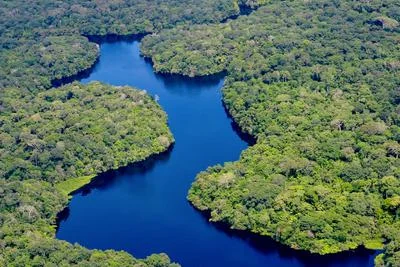
In 2025, the Brazilian Amazon saw a notable improvement in its environmental conditions, with the amount of land burned reaching its lowest point in four decades. According to a report by MapBiomas, approximately 7.7 million acres were burned, a steep decline from the previous year’s alarming 39 million acres. This notable drop occurred during a phase when the El Niño phenomenon transitioned to La Niña, influencing rainfall and fire activity across the region.
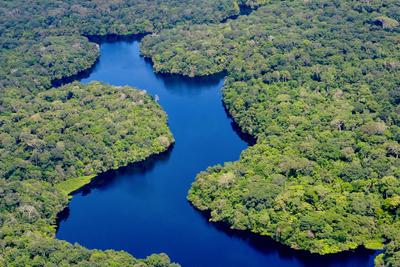
In 2024, a severe El Niño exacerbated drought conditions, contributing to some of the worst wildfire outbreaks the Amazon had faced in decades. Fires proliferated primarily in recently cleared fields, rapidly encroaching into untamed forest areas. As the Brazilian government worked to aggressively combat deliberate deforestation, prolonged drought still facilitated thousands of fires in the Amazon basin, threatening its biodiversity and carbon storage capacity.
However, the shift to La Niña in 2025 brought much-needed moisture to the Amazon, resulting in a stabilizing weather pattern. This transformation led to the lowest number of wildfires recorded in 41 years, an encouraging sign for conservationists monitoring the health of the rainforest. The change in climatic influences—shifting from drought-promoting El Niño to the wetter conditions associated with La Niña—illustrates how interannual climatic fluctuations can significantly impact fire risks and ecological stability.

Analysis of the Drop in Burned Acreage
Experts from MapBiomas caution against overzealous optimism regarding these recent trends. While a significant reduction in burned acreage is undeniably positive, it is essential to recognize the cyclical nature of climatic events in the region. Forecasts indicate that a strong El Niño is emerging once again, previewing a return to drought conditions that could reignite challenges for the Amazon.
Data indicate that since 1985, about 64 percent of land burned in Brazil has seen repeated fires, with many areas igniting again within just four years. This recurring pattern heightens concerns about the long-term impact of fire on forest recovery and biodiversity. Given these patterns, MapBiomas suggests that while the recent downturn in acreage burned is a hopeful indicator, it should not lead to complacency.

Mitigation Strategies Moving Forward
Going forward, proactive measures must be emphasized to safeguard the Amazon's integrity. Initiatives that focus on reforestation and the restoration of degraded areas are essential. For example, Brazil has the opportunity to expand efforts in planting native vegetation, which could significantly help contain future fire spread in areas that have been cleared but are not currently utilized for agriculture or development.
Support for reforestation can also be advantageous in combating climate change overall, as trees play a crucial role in sequestering carbon dioxide. By establishing robust ecosystems with diverse plant life, the Amazon stands a better chance of withstanding the cyclical pressures of climate variability that have historically compromised its stability.

Implications for Local Communities and Ecosystems
The reduction in fiery destruction is not only good news for the Amazon's wildlife but also for the indigenous communities that rely on its health for their livelihoods. The forest is a critical source of food, medicine, and cultural identity. Hence, the impacts of fire and climate patterns ripple outward affecting social and economic structures as well. Addressing the causes of fire and promoting sustainable land-use practices can mitigate risks that threaten both ecological and community well-being.
A stable Amazon supports global climate objectives by maintaining biodiversity and functioning as a significant carbon reservoir. As the region combats ongoing threats from land clearing and climate change, the emphasis on integrating scientific research, community input, and policy enforcement will be paramount. Collaboration across stakeholders, including governments, NGOs, and local communities, will help maintain the balance needed for environmental health and resilience.
In summary, while the Brazilian Amazon shows promising signs of recovery with fewer acres burned, vigilance is required. Continued efforts to restore and protect this vital ecosystem are critical in light of the imminent climatic shifts predicted in the coming years. How Brazil capitalizes on this moment could shape the future not only of the Amazon but of global climate efforts.


