France faces a significant drought, with nearly half its small rivers affected. This situation poses risks to ecosystems and essential services.
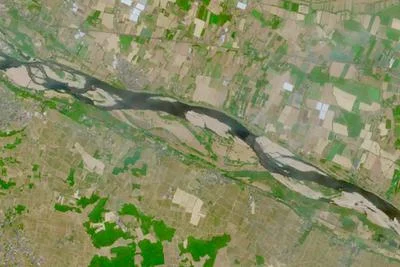
An ongoing drought across Europe has critically impacted water resources in France, revealing alarming trends in the country's river systems. According to the French Office for Biodiversity, approximately 43 percent of small waterways in France are experiencing reduced or halted flow. Out of the country's more than 3,000 small rivers, 1,373 are reportedly affected, marking a challenging situation for both natural ecosystems and human communities alike.
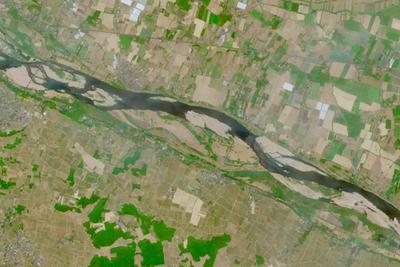
The drought's severity has been described as unprecedented, with the agency indicating "the most critical situation ever observed at this time of year." This widespread desiccation raises concerns about the long-term health of local ecosystems, aquatic biodiversity, and the availability of water for agricultural and industrial uses.
The Impact on Major Rivers
Large rivers are not exempt from this crisis. For instance, the iconic Loire River, known for its maritime activities and tourism, faced a sharp drop in water levels that necessitated early suspension of sightseeing boats—one month sooner than normal. This interruption not only disrupts local businesses but also indicates an alarming trend that might discourage tourism in regions reliant on river access.

Similarly, the Seine River in Paris, which depends heavily on water released from reservoirs, illustrates the precarious balance between urban water consumption and natural river flow. As reservoirs continue to supply the Seine, the sustainability of such practices raises questions about future water management strategies amidst ongoing climate uncertainty.
Broader European Context
The situation in France is part of a larger pattern of water shortages affecting multiple European countries. Low rainfall across the continent has led to decreased river flows, threatening domestic water supplies, irrigation for agriculture, and cooling water requirements for power plants. In Hungary, low water levels on the Danube have unveiled long-submerged historical artifacts while also leading to the shutdown of several nuclear reactors that depend on the river for cooling, a significant concern for energy reliability in the region.

In addition, the Rhine River, which is crucial for transportation and shipping, recorded historically low water levels of just 10 inches deep at Kaub, Germany. This depth limits the carrying capacity of vessels and impacts the economy dynamically, as shipping disruptions may cascade into supply chain challenges for various goods. The implications for trade, overall economic activity, and energy generation pose significant risks to both local and regional economies.
Drought Impacts in the UK
Drought conditions are not confined to France. In the United Kingdom, nearly 25 percent of rivers in England have been classified as “exceptionally low,” indicating a similar trend driven by changing climatic conditions. Excessive heat exacerbates evaporation rates, which, combined with suboptimal rainfall, further weakens river systems already facing pressure from anthropogenic demands.

Climate scientists have noted that the warming atmosphere is accelerating this drought. As temperatures rise, the likelihood of evaporation increases, decreasing water availability both in rivers and reservoirs. The compounding effect of these phenomena may make droughts a more permanent fixture in the years ahead, altering the landscape of water availability across the region.
Looking Ahead: Adaptation Strategies
Addressing the ongoing drought and its repercussions will require concerted action from various stakeholders. Local governments and environmental agencies can focus on revising water management policies, promoting conservation efforts, and investing in infrastructure that enhances the resilience of the water supply. Furthermore, sustainable agricultural practices can be encouraged to reduce water consumption while maintaining productivity.
Public awareness is also crucial. Encouraging community-level engagement in water conservation initiatives can bolster efforts to mitigate the impacts of drought. Residents can participate in campaigns that emphasize responsible usage, rainwater harvesting, and informed landscaping choices that optimize water use.
As France and Europe grapple with these pressing water challenges, the need for comprehensive and sustainable solutions becomes increasingly apparent. Policymakers, scientists, and citizens alike must collaborate to foster a robust strategy aimed at conserving water resources and enhancing ecological resilience. Looking ahead, the intersection of water management and climate change adaptation will play a critical role in shaping the future of river systems across the continent.


