New research shows that increasing CO2 levels are enhancing grass growth in the African savanna, with implications for wildlife and wildfire risk.
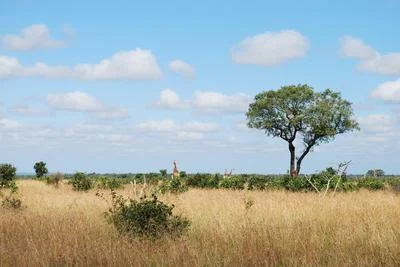
In the arid expanses of the African savanna, a notable increase in grass growth over the last few decades has caught the attention of ecologists and climate scientists alike. This trend is largely attributed to rising carbon dioxide levels, primarily due to human activities such as fossil fuel combustion. A recent study has highlighted that the enhanced growth poses significant implications for the ecosystem, including potential increases in wildfire frequency and changes to wildlife habitats.
The Earth's atmospheric carbon dioxide has surged by approximately 50% since the onset of the industrial age, dramatically influencing plant growth across various ecosystems. This phenomenon, known as "carbon fertilization," has been recognized for its role in promoting tree growth in forests and contributing to the greening of drylands worldwide. Historically, researchers believed that grasses in savanna ecosystems were less impacted by additional carbon dioxide due to their efficient photosynthetic processes. However, new findings challenge this assumption.

Significant Findings from Kruger National Park
A comprehensive analysis conducted over three decades within Kruger National Park, South Africa, has revealed a substantial increase in grass production—by 28% between 1989 and 2021. This data indicates that other environmental factors, such as changes in rainfall, temperature, grazing patterns, and fire frequency, cannot account for this remarkable growth. Instead, researchers attribute the enhanced biomass to the ability of grasses to utilize water more effectively in the presence of elevated CO2 levels.

As carbon dioxide concentrations in the atmosphere rise, grasses are not only growing more quickly but also exhibiting improved resilience during periods of drought. Modeling forecasts suggest that savanna grasses will continue to thrive under these conditions, even as climate change intensifies heat and reduces moisture availability. The implications of this growth stretch far beyond mere biomass increase.

Potential Ecological Changes
Faster grass growth poses several risks, particularly concerning wildfire dynamics. More abundant grass creates greater fuel loads, increasing the likelihood and intensity of wildfires in affected regions. Additionally, enhanced grass availability could support larger populations of grazing herbivores, shifting local wildlife dynamics. However, increased herbivore populations could also result in heightened competition for resources, with potential ripple effects throughout the food web.
Lead author Kimberley Simpson of the University of Sheffield emphasizes the uncertainty surrounding the carbon sequestration process in this context: “The wider impact depends on where the extra grass ends up. If it is eaten by animals or burned in fires, much of the carbon is quickly released back into the atmosphere.” This highlights a critical trade-off in the ecosystem; while grasses may sequester carbon during their growth phase, the long-term effectiveness of this sequestration is contingent upon how biomass is utilized in the ecosystem.
Broader Implications of Grass Growth Trends
The increased growth of grasses in the savanna setting could also imply shifts in land use and agricultural practices. Should grass productivity continue to rise, farmers in the region may need to adapt their livestock management strategies, as changes in grazing patterns could affect both the health of the rangelands and the economic viability of pastoral operations. Ecologists argue that stakeholders must consider these changes to develop sustainable land management practices that account for the dynamic interactions within these ecosystems.
The findings of this study add to our understanding of how rising carbon dioxide levels, while facilitating plant growth, can also lead to unintended ecological consequences. There’s a growing consensus among scientists that future climate scenarios must integrate these complex feedback mechanisms, particularly in light of the ongoing global climate crisis. As grass-dominated ecosystems like the African savanna respond to changing atmospheric conditions, their management will need to accommodate both the benefits and challenges presented by heightened carbon fertilization.
In sum, the dynamics of grass growth in the African savanna reflect the broader implications of climate change on biological systems. As we observe these changes unfolding, it becomes increasingly evident that continuous monitoring and research are essential to understand the complex interplay between carbon levels, vegetation growth, and the wider ecological impacts on wildlife and fire regimes.


