Iceland may soon ban commercial whaling, following evidence of animal suffering and global conservation trends. This marks a significant shift in its policies.
Iceland stands at a crossroads in its relationship with whaling, one of only three nations—alongside Norway and Japan—still engaging in this practice. The Icelandic government is poised to introduce a significant bill in February that could halt commercial whaling within its waters. As public sentiment shifts and animal welfare concerns grow, this legislation may mark a critical point in Iceland's whaling history.
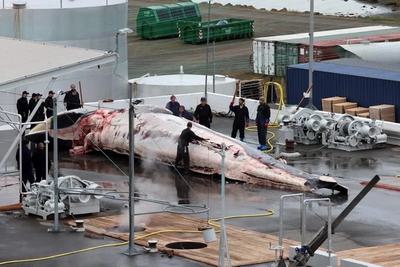
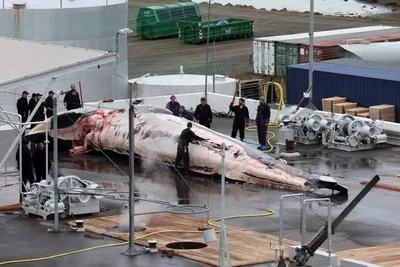
Currently, Iceland's last remaining whaling company, Hvalur, has been permitted to hunt 134 minke whales and 150 fin whales in this whaling season. While minke whales are categorized as non-threatened by conservation agencies, the fin whale faces a more precarious future, being classified as vulnerable by the International Union for Conservation of Nature (IUCN). This reality underscores the urgency of reconsidering whaling practices that affect these magnificent creatures.
So far this year, authorities in Iceland report that 80 adult fin whales have been killed. A grave concern is the welfare of these animals; a 2023 report from the Icelandic Food and Veterinary Authority revealed that some harpooned whales endure significant suffering, taking up to two hours to succumb to their injuries. Such findings have intensified criticisms against whaling practices. "This is a really significant milestone in efforts to consign to history Iceland’s cruel and needless whale hunts,” said Wendy Higgins, a spokesperson for Humane World for Animals, highlighting growing disapproval from animal rights groups and sections of the public.
The Historical Context of Whaling in Iceland
Whaling has deep historical roots in Iceland, traced back centuries when it was crucial to the local economy. However, the international community recognized the necessity for stringent regulations when the decline of whale populations became apparent in the early 20th century. An international ban on whaling was established in 1986, motivated by the critical need to protect vulnerable species and restore their numbers. Despite this collective movement towards conservation, Iceland resumed whaling in 2006, followed by Norway and Japan later on.
Over the past two decades, more than 1,000 fin whales have been killed in Iceland, with the majority of the resulting meat not consumed by the local populace but rather aimed at niche markets for tourists. This prevalence of tourism-driven demand raises questions about the ethical implications of whaling as a cultural practice in contemporary society, where awareness of animal rights has greatly evolved.
Animal Welfare and Conservation Efforts
The proposed legislation reflects wider environmental values shifting within Iceland, influenced by global conversations surrounding conservation and animal welfare. As nations and communities increasingly embrace sustainable practices, Iceland's whaling policies invite examination. The ethical considerations surrounding the treatment of intelligent marine mammals present a significant conflict for a nation balancing its economic interests and global image.
This potential ban would reflect Iceland joining a broader movement toward responsible tourism and wildlife conservation. Many Icelanders express a growing preference for observing whales in their natural habitats over consuming whale meat. This shift in consumer behavior indicates a changing attitude towards wildlife, favoring preservation over exploitation. Furthermore, ongoing conversations around climate change and ecological sustainability provide a context within which Iceland's policies on whaling can be critically assessed.
What Lies Ahead for Iceland's Whaling Industry?
If the proposed measures progress towards a ban, it might signal an end to commercial whaling in Iceland, fostering a significant shift in the nation's environmental policy. Enhanced focus on conservation could potentially yield benefits not just for whales, but for the ecosystems they inhabit, and human industries reliant on healthy oceans.
Nevertheless, the road ahead entails trade-offs. Economically, the whaling industry, although small, has historical significance and provides certain livelihoods. Policymakers will need to weigh these interests against the broader public and international expectations for ethical wildlife management. Additionally, the potential impact on local economies dependent on whaling presents a pivotal challenge in transitioning to more sustainable practices.
In conclusion, the impending decision regarding whaling in Iceland stands as a bellwether for both local governance and global conservation efforts. It highlights the intricate balance nations must strike between heritage, economic development, and the ethical treatment of wildlife. As the February proposal approaches, the world will be watching to see if Iceland commits to a just future for its marine life.


