India's rapid solar energy growth is stabilizing coal consumption, enabling the country to sustain energy demands without increasing coal output.
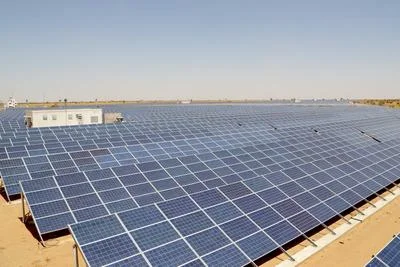
India, with its vast population exceeding 1.5 billion, has predominantly relied on coal to fuel its expanding economy. However, a notable transformation is underway in the country's energy landscape. In recent years, a substantial surge in renewable energy sources, particularly solar, has emerged, effectively stalling the growth trajectory of coal generation.
According to an analysis from the Centre for Research on Energy and Clean Air, coal output in India has not risen over the past two years, despite a continued surge in power demand. This marks a significant departure from decades of relentless coal expansion. As a result, power sector emissions remained relatively flat since 2024, indicating a decoupling of energy demand from coal consumption.
Solar Energy Growth
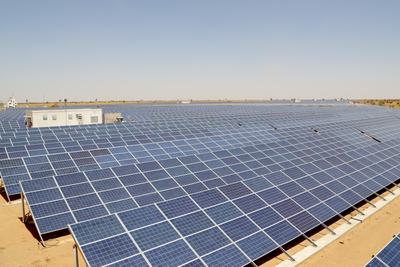
The shift towards renewables, especially solar, has been instrumental in meeting the rising energy demand. Over the last two years, India has successfully integrated enough renewable energy to supply the equivalent of Switzerland's entire energy needs. This achievement has enabled the nation to accommodate a 7% growth in energy demand without resorting to increased coal production.

Just a decade ago, solar power was a minimal contributor to India's energy mix. Today, solar capacity is expanding at a staggering rate of approximately 40% annually. Remarkably, India is on course to become the first major nation capable of largely powering its industrial sector through solar energy. This represents a significant shift not only in energy production but also in the infrastructure supporting the country's power generation.
Economics of Coal Power
While coal production remains stagnant, India continues to add new coal-fired power plants to its energy portfolio. This paradox presents a growing challenge: the operating costs of maintaining these aging coal plants are on the rise, particularly as they are running for fewer hours on average. As a result, the financial stability of the coal industry is increasingly under pressure, even as energy demands soar.

Interestingly, despite the overall stagnation in coal power, India's carbon dioxide emissions experienced a marginal increase in the first half of this year. This uptick can be largely attributed to the manufacturing sectors, namely steel and cement, which still heavily rely on coal as a primary energy source. The construction and industrial sectors are under scrutiny to provide effective solutions to reduce their carbon footprints. Transitioning to cleaner energy sources in these industries would be vital for India to achieve its climate targets.
Practical Implications for the Future
The current energy transition poses both opportunities and challenges for households and businesses. For families, the rising share of renewable energy in the grid may lead to lower electricity costs and enhanced energy security. However, the reliance on traditional energy sources such as coal for certain heavy industries may lead to discrepancies in energy prices based on region and economic sector.

From the perspective of businesses, particularly those in manufacturing, the need to adapt to increasing energy prices resulting from fluctuating coal usage is crucial. Companies might want to invest in energy efficiency measures and renewable technologies not only to hedge against rising costs but also to align with regulatory pressures that favor cleaner energy practices.
A Complex Future Ahead
India's energy landscape is undoubtedly changing, with renewables now playing a prominent role in the power sector. However, the state of coal remains complicated. Although new coal plants are being established, they are not increasing overall coal output, revealing a significant shift in the market dynamics. The economic viability of coal versus renewables is changing, opening the door for more rigorous discussions about energy policy and sustainability.
Moreover, as India pursues its climate commitments, maintaining momentum in the renewables sector while addressing emissions from coal-reliant industries will require coordinated effort among stakeholders. The success of this transition will not only influence energy prices but also determine the country’s ability to effectively tackle climate change and uphold its development goals.
As we progress, it's essential to monitor these trends closely. The interplay between coal, renewables, and emissions will shape India's energy landscape and offers valuable insights for other nations grappling with similar energy transitions.


