Zimbabwe's lithium boom raises alarm among local farmers over environmental risks and lack of consultation, amidst a backdrop of political repression.
At the base of Njeza Mountain in Zimbabwe's Mutare district, newly discovered lithium deposits are transforming a once serene agricultural area into a focal point for mineral extraction. However, the project, now over a year in the making, remains largely undisclosed to the local farmers, sparking unease among residents.
Kwadzanai Nicholas Mukundidza, a local farmer, expressed the prevalent uncertainty: “We don’t know much about this project. We were not consulted, and there is a lot of fear among farmers.” He highlighted concerns that the mining activities could threaten their land, water sources, and overall way of life. This concern is prevalent among farmers who were settled in the district during Zimbabwe's land reform program in the early 1980s following the country's independence.
The fear among these farmers is not unfounded, as similar mining operations in Zimbabwe have historically resulted in the displacement of communities, environmental pollution, and significant disruptions to local livelihoods.
Growing Demand and Environmental Concerns
As the global push for lithium intensifies in the context of the clean energy transition, Zimbabwe has emerged as a significant player, boasting one of Africa's largest lithium reserves. This surge in interest has attracted substantial foreign investments, especially from Chinese firms closely aligned with the regime of President Emmerson Mnangagwa. Despite initial promises for political and economic reforms after the military coup that ousted long-time leader Robert Mugabe in 2017, civic freedoms have continued to erode. Many activists, journalists, and community members have faced intimidation when they question powerful business interests.
In the nearby Buhera district, the Sabi Star Mine serves as a troubling example of environmental degradation directly linked to mining activities. James Mupfumi, director of the Centre for Research and Development, reports that the area has seen severe water contamination due to improper disposal of mining chemicals. “Latest information from Tagarira community leaders indicates stomach-related challenges from contaminated water. The Tagarira community is the worst affected,” he stated.
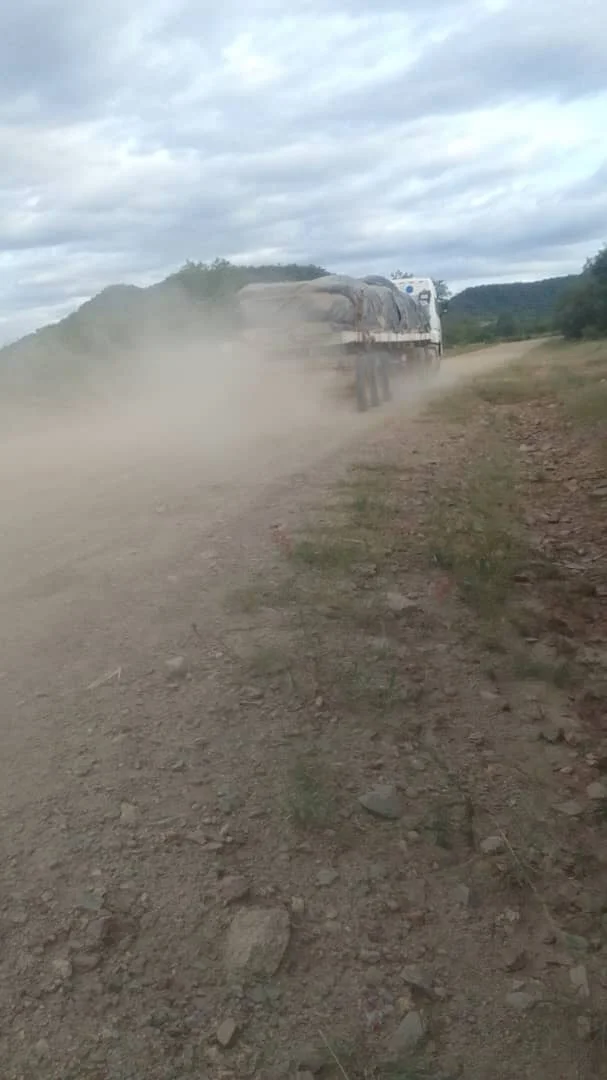
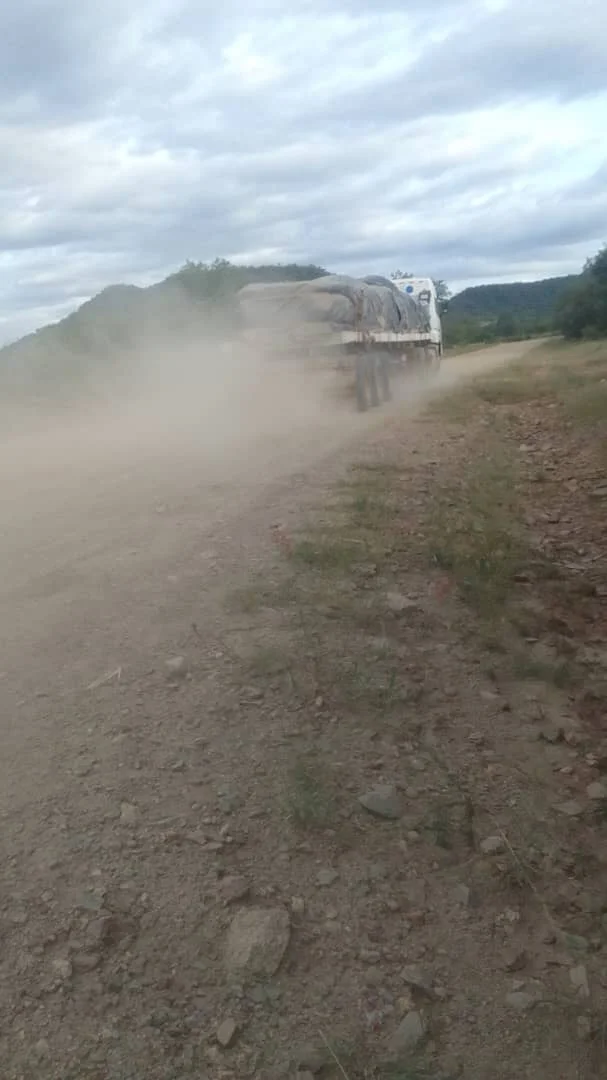
Mining operations, particularly the trucking of lithium over poorly maintained roads, exacerbate the issue. Roughly 120 thirty-ton trucks traverse these dusty routes daily, transporting lithium to ports, causing further dust pollution that affects the health of nearby villagers, particularly children. “An average of 5 to 7 pupils visit the clinic every day seeking treatment for illnesses caused by dust pollution,” Mupfumi shared. The efforts made by the mine to mitigate dust have reportedly been inadequate, resulting in persistent health problems.
Community Response and Official Backlash
The Buhera Residents Network Trust, a local advocacy organization, has raised significant concerns regarding the environmental and social impacts of the Sabi Star Mine. Leonard Mabasa, its leader, emphasized that while the community recognizes the importance of mining to the national economy, it is equally important that mining activities are undertaken responsibly and transparently, ensuring the protection of local communities.
However, the response from the government has been less than supportive. Following a presentation by community representatives to the Parliament Portfolio Committee on Environment, President Mnangagwa's spokesperson issued a warning to local residents to tread carefully in their opposition to mining activities: “Be very careful not to wreck a good thing for a dime.” This statement drew criticism from local NGOs, which urged for the acknowledgment of community rights and the necessity for responsible mining practices.
The operator of Sabi Star Mine, Chengxin Lithium, contends that they have engaged with local communities adequately and claim to have provided necessary utilities and compensation. However, community leaders remain skeptical, fearing repercussions for their advocacy.
Rights and Risks in Lithium Extraction
Mabasa noted the importance of community awareness regarding economic and social rights, emphasizing that compensation for any relocation must align with the principles of “Free Prior Informed Consent.” He stressed that legal support is critical to help communities navigate complex Environmental and Social Impact Assessments that often accompany major mining projects.
Donald Nyarota, an advocacy officer with the Centre for Natural Resource Governance, observes a concerning culture of fear among community members hesitant to voice their grievances openly, largely due to the powerful government officials backing mining operations. They avoid specific mentions to dodge potential retaliation. Nyarota’s organization works to provide safe spaces for community members to express their concerns anonymously, emphasizing the need for collective, secure dialogue.
Pursuing a Just Transition
Zimbabwe's lithium production, as argued by Mupfumi, calls for a just energy transition—one that factors in the rights and well-being of local communities. He warns that entrenched corruption and political entanglements not only undermine community rights but also threaten the integrity of climate initiatives. Measures at the global level, such as supply-chain scrutiny under clean energy regulations, are essential to address these concerns.
“It is critical that lithium extraction contributes positively to community development, accountability, and transparent supply chains,” he stated. “Local communities should not bear the environmental and social costs of resource extraction while the global markets profit.”
Mupfumi advocates for unity among communities to assert their rights regarding lithium and stress the importance of organizing early to secure legal support in situations involving displacement, proposing thorough planning before any mining operations commence.
As Nyarota concluded, the crux of the matter isn't whether communities support or oppose mining itself, but whether such ventures can occur in a manner that honors their rights, safeguards the environment, and allows for meaningful stakeholder engagement in decisions affecting their lands and livelihoods.