The Data Center Evaluation Checklist offers a sustainable framework to guide developers in minimizing environmental impacts while meeting growing digital infrastructure demands.
As digital infrastructure and AI consumption escalate globally, data centers are emerging as significant energy and resource consumers. This creates an urgent need for a fundamental reevaluation of how these extensive facilities are located, designed, and integrated within their communities.
Architectural firm Architecture 2030 has introduced the Data Center Evaluation Checklist, developed by Edward Mazria. This comprehensive framework comprises eight critical points that guide developers, policymakers, and urban planners toward the establishment of sustainable, zero-carbon digital infrastructure. The checklist emphasizes environmentally responsible practices that foster community engagement and minimize ecological disruption.
A Shift Toward Sustainable Practices
The checklist suggests a range of strategies to ensure data centers can function as stabilizing forces rather than sources of environmental strain. Highlighting the necessity to move beyond traditional site selection methods, the framework argues against the encroachment on natural ecosystems and local power grids. Instead, it recognizes the potential of transforming outdated industrial sites into modern data hubs.
Key Recommendations in the Evaluation Framework
Here are some of the checklist's pivotal recommendations that promise to reshape data center development:
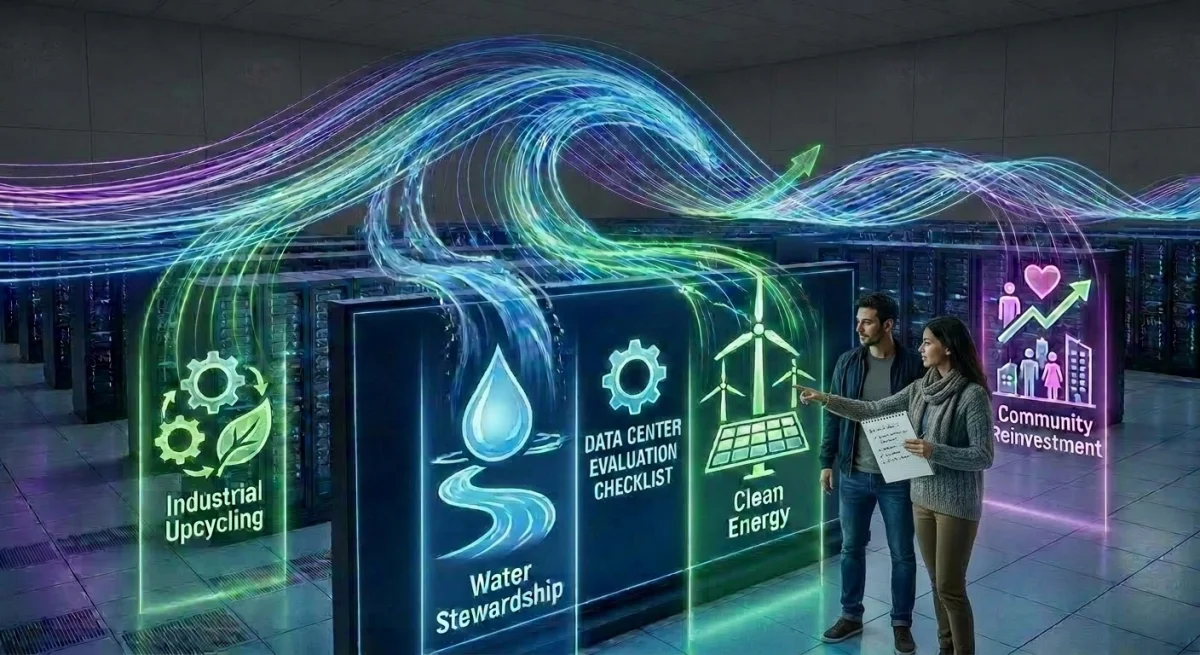
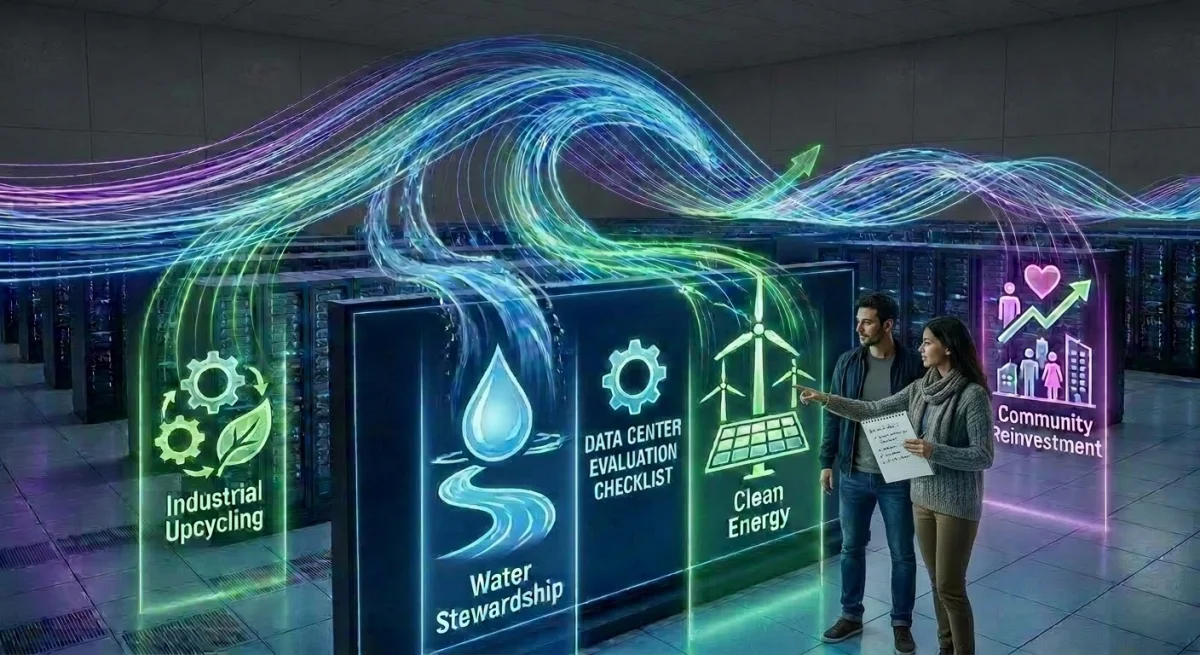
- Industrial Upcycling: This recommendation advocates for redeveloping aging coal and gas power plants or heavy industrial complexes. Such an approach not only leverages existing infrastructure but also circumvents the delays often associated with grid interconnection. By utilizing thousands of decommissioned power plants across the globe, this strategy effectively avoids the risk of prolonging reliance on fossil fuels.
- Water Stewardship: The checklist emphasizes protecting municipal drinking water resources. It recommends utilizing only recycled or industrial wastewater in cooling processes, coupled with strict pollution abatement protocols for closed-loop systems. This commitment is crucial for enhancing regional water security and ensuring sustainability.
- Grid Protection & Clean Energy: Achieving a mandate for 24/7 zero-carbon energy alongside “battery-first” backup systems is another essential aspect of the framework. The establishment of legally binding demand-response plans is intended to alleviate stress on local energy grids, significantly reducing power consumption during peak community hours.
- Community Reinvestment: Sharing the financial benefits gained from upcycling with the host communities is a vital component of the strategy. This would involve local hiring, adhering to prevailing wage standards, and committing to infrastructure improvements, creating a more equitable economic relationship between data centers and the communities they inhabit.
This checklist acknowledges the rapid evolution of digital demands should not come at the expense of our climate or local ecosystems. It encourages collaboration among policymakers, architects, community leaders, and technology developers. By employing this evaluation framework, stakeholders can scrutinize upcoming proposals and guarantee that each new data center advances progress toward a resilient, zero-carbon future.
Practical Impacts on Communities and Industries
Understanding the implications of these strategies is crucial not only for environmental sustainability but also for the economic fabric of communities housing these data centers. Decisions surrounding location, water usage, and energy sourcing can lead to significant cost savings and investment opportunities.
For businesses and residents, prioritizing energy efficiency in data center operations translates to lower electricity prices as demand-response strategies are integrated into community planning. Facilities utilizing recycled water can enhance local water management practices, leading to better supply resilience. Additionally, the community reinvestment strategies highlighted in the checklist can bolster local job markets and improve regional infrastructure, positively impacting everyday life.
As global reliance on digital services increases, the development of data centers in line with sustainability principles stands to benefit not just the environment, but also local economies, providing stable, long-term benefits for all stakeholders involved.
In conclusion, the Data Center Evaluation Checklist represents a proactive approach to addressing the challenges associated with rapid digital infrastructure growth. By integrating these guidelines, the aim is to not only meet the demands of today but ensure that future developments respect our ecological boundaries while uplifting communities.
To explore this innovative framework further, you can download the full Data Center Evaluation Checklist.


