The Painted Desert Power solar project on the Navajo Nation faces skepticism from local residents regarding its benefits and transparency.
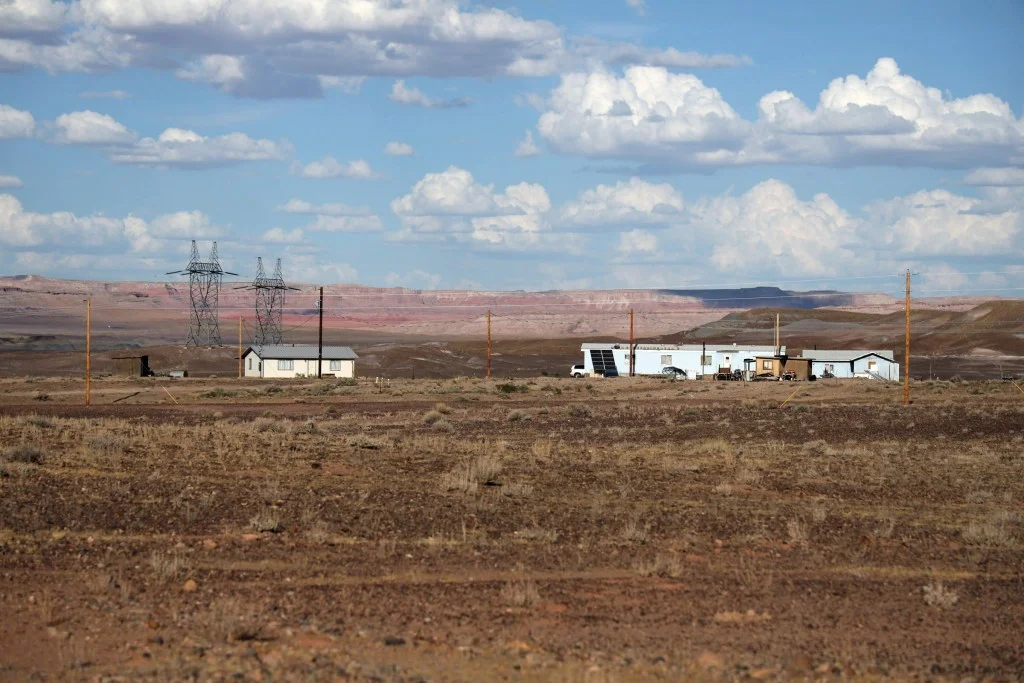
The Painted Desert Power solar project, poised to be one of the largest solar installations in the United States, has sparked a wave of skepticism among residents of Coalmine Canyon. Initially set to cover 1,000 acres, the project has expanded to over 4,000 acres, leading to community concerns about its scale and impact.
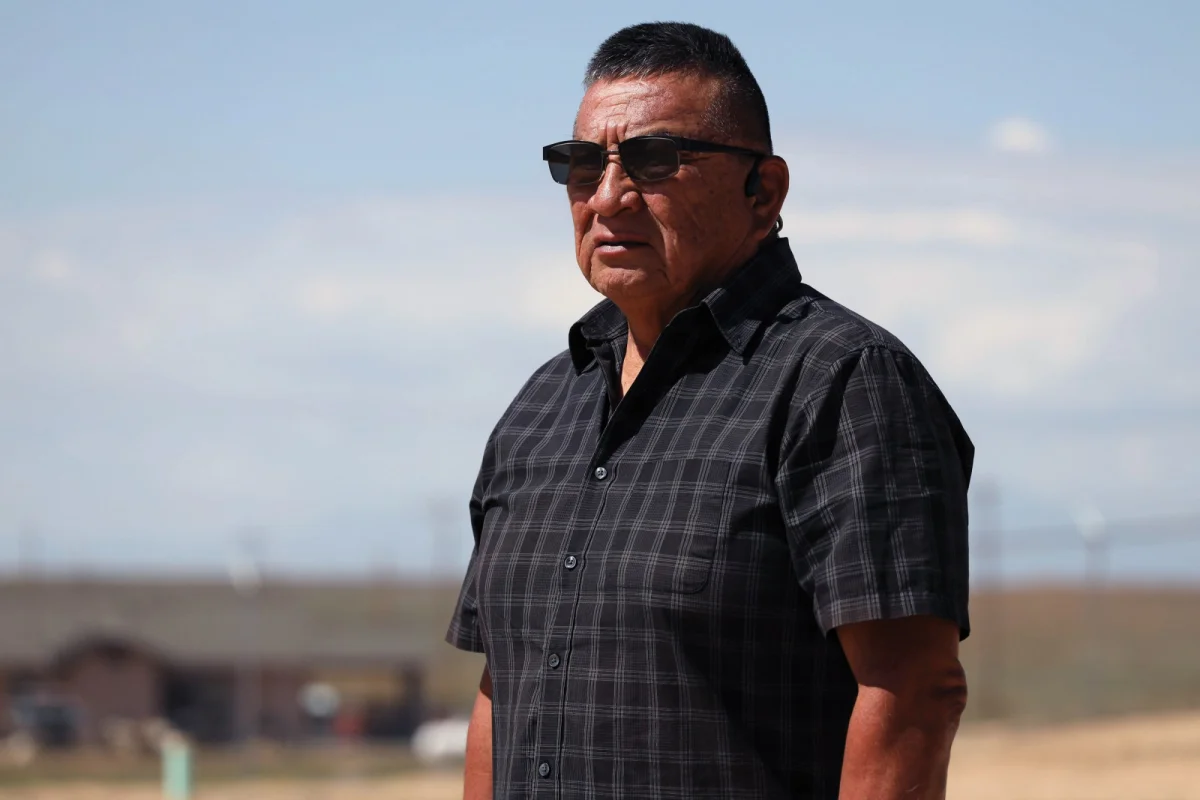
Tyrel Jones, secretary of the Community Land Use Planning Committee, expressed a growing feeling among locals of being "sold down the river" as the project progressed without transparent discussions. He articulated a profound distrust toward both the tribal government and outside developers. The lack of accessible communication fueled anxiety, particularly given that many in the community found the technical jargon used in project presentations difficult to understand.
Freddie Hatathlie, a lifelong resident and retired Army veteran, echoed this sentiment. He noted that the technical presentations often conducted in English left many residents feeling more confused than informed. “Make a model, draw models, build a model, so we can see it,” he said, advocating for visual representations to help convey the scale and implications of the development.
Challenges of Renewable Energy Development
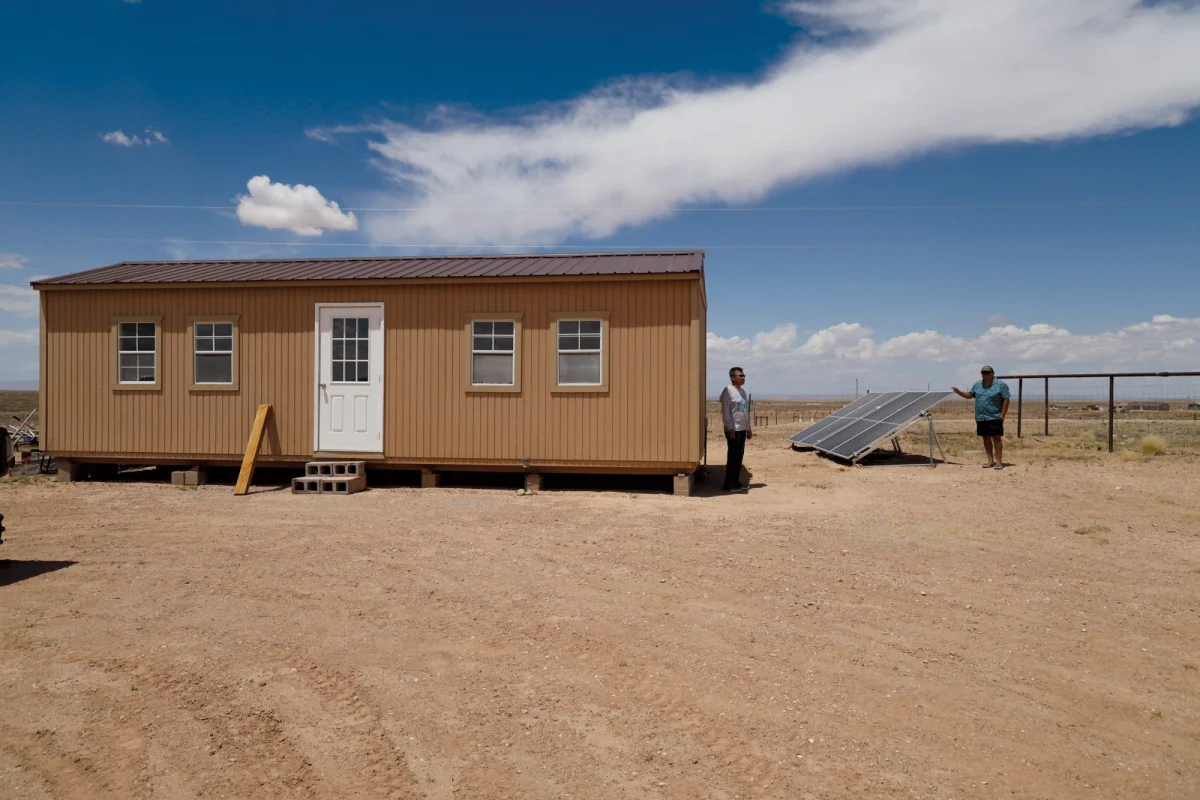
The transition to renewable energy has grown increasingly vital for the Navajo Nation, especially as coal-related operations, once a significant source of revenue, have shut down. Currently, existing solar projects occupy about 915 acres, but the Painted Desert Power project emphasizes the complications that arise when significant outside interests partner with local entities. Navajo Power PBC, a Navajo-owned organization, has teamed up with Applied Energy Services (AES), a Virginia-based energy firm, to manage the project.
While AES claims to prioritize community consent in their operations, many local residents remain unclear about the specific benefits the project will bring, particularly as the electricity generated will not directly power homes within the community but will instead feed into a wider electrical grid.
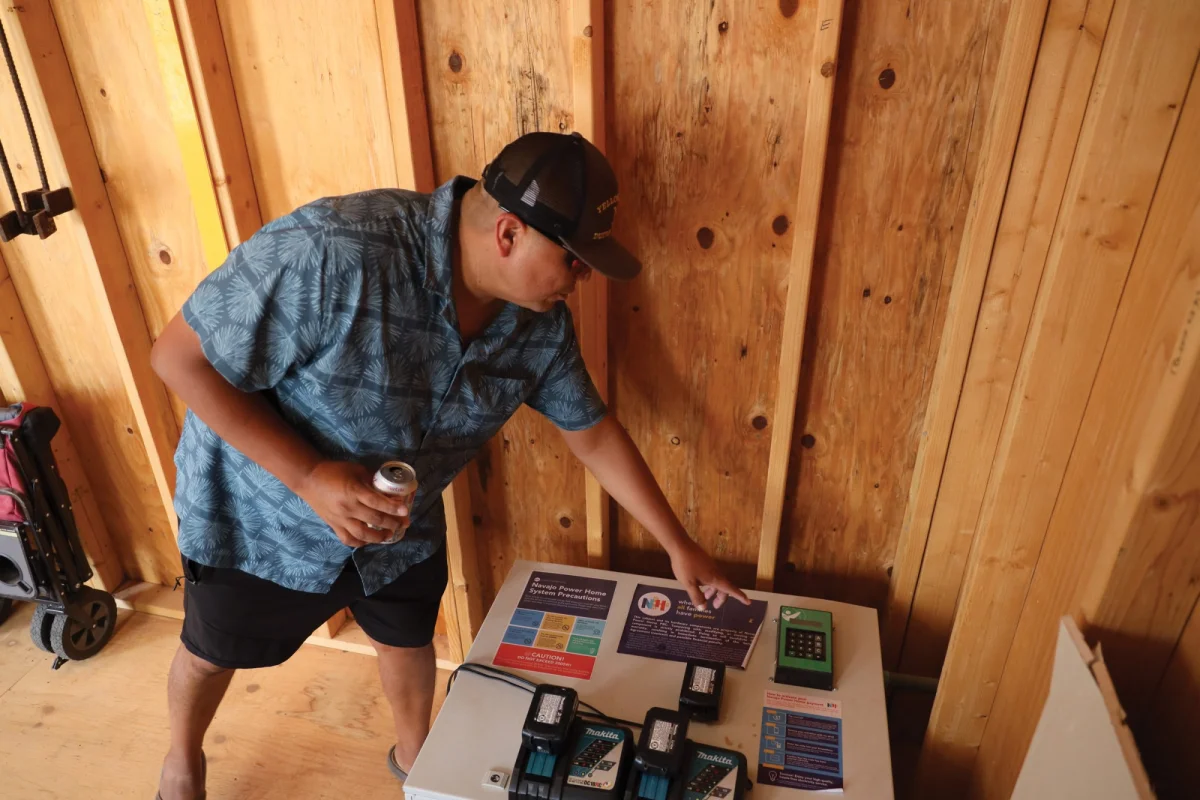
This disconnect recalls the history of the Navajo Generating Station, which Hatathlie pointed out did not supply power to Page, Arizona, despite its substantial output. This underscores residents' concerns that the Painted Desert Power project will similarly benefit external parties more than local communities.
Economic and Community Benefits
According to AES, the project is expected to generate substantial financial benefits, including an estimated $545 per acre in lease payments to the Navajo Nation, increasing by 2% each year. Over the project's projected 40-year lifespan, more than $310 million is anticipated in lease and tax payments. Furthermore, AES promised $16.7 million for community benefits over the project lifetime, which they claim will significantly supplement the budget of the Coalmine Canyon Chapter.
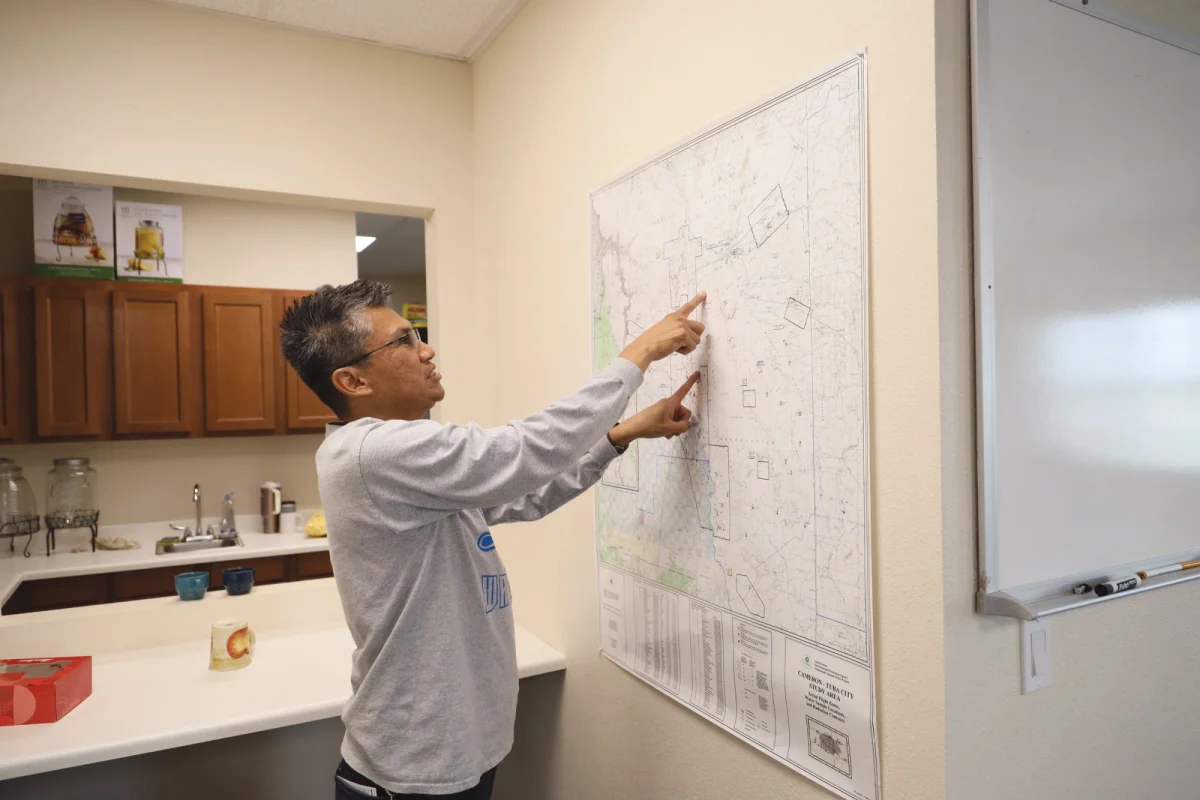
However, local officials like Jones remain skeptical about whether these financial arrangements will translate into tangible benefits for residents. The chapter’s uncertified status complicates the distribution of such funds, raising concerns about whether individual community members will see direct compensation.
The Coalmine Canyon Chapter is classified as a Non-Governance Certified Chapter, meaning it cannot manage its finances independently. This limitation leaves residents uncertain about how transparent financial transactions related to the project will be, and many worry that revenue will be siphoned away by broader administrative processes within the Navajo Nation.
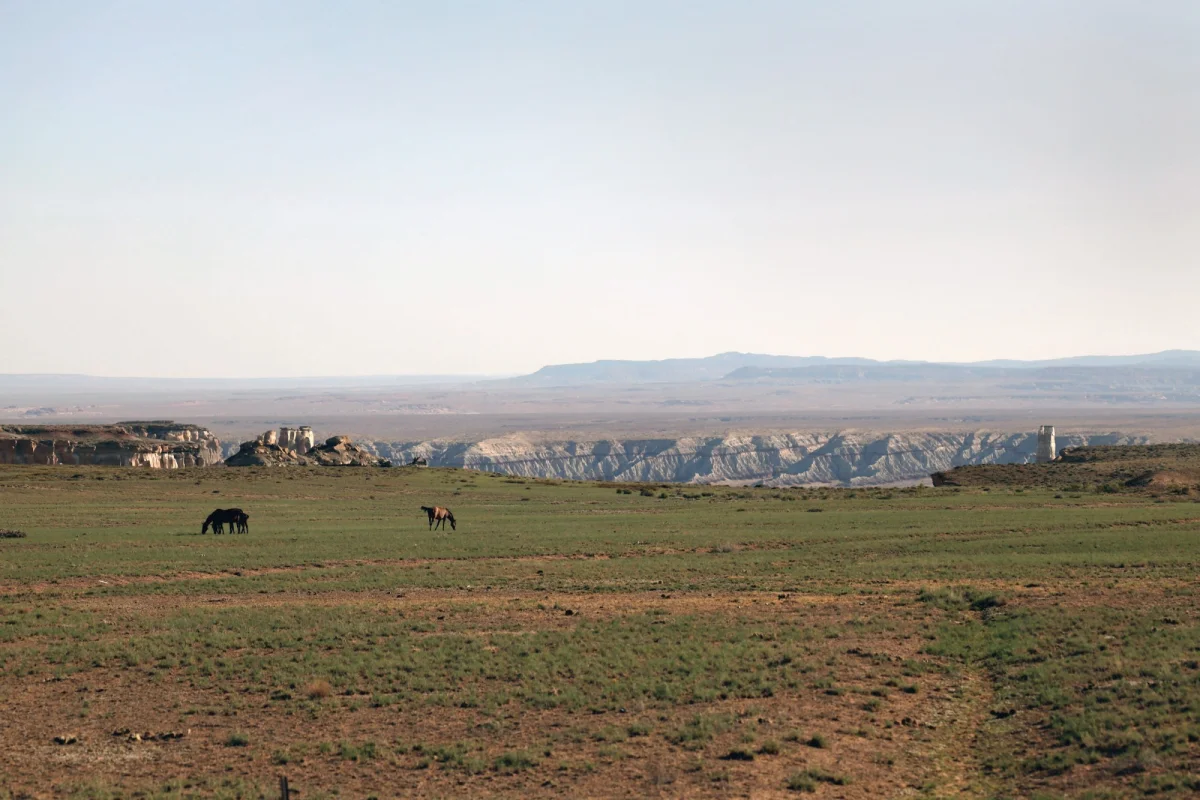
Mistrust and Communication Gaps
This sense of ambiguity is fueled by the legislative complexities surrounding the project. Conversations among residents have highlighted confusion over whether grazing permits have been acquired with proper consent for the solar project, leading individuals to mistakenly connect separate issues such as tax structures to leasing agreements.
Shawna Claw, a delegate for Chinle Council, noted that residents can file appeals regarding grazing permits, but many remain unaware of these processes. This lack of information highlights the challenges of engaging with legislative systems that many locals find daunting and opaque.

Adding to this mistrust is the perception that decisions regarding the project have already been made at higher levels of government without a meaningful dialogue involving local concerns. Hudson, a grazing official in Coalmine Canyon, stated that residents often feel their voices are irrelevant when larger corporate interests and governmental procedures dominate discussions, leading to a sense of resignation about the decision-making processes that affect them.
Future Implications for the Community
The Painted Desert Power project is expected to unfold in phases, with construction slated to start in 2027 and completion projected for 2030. The installation will utilize over 1.3 million solar panels and 816 battery enclosures, demonstrating its massive scope.

The community's concerns regarding the project are a microcosm of broader issues surrounding renewable energy development on the Navajo Nation. These include the urgent need for a comprehensive renewable energy policy that adequately captures the interests and voices of local communities.
Thomas Walker Jr., a former council delegate, pointed out the necessity of a thorough review process for such major projects to ensure that local needs and concerns are addressed adequately. Walker emphasized that transparency in the decision-making process is vital, particularly when tribal lands are involved.
The Painted Desert Power project encompasses far more than just renewable energy generation; it represents a critical juncture for the Navajo Nation as it navigates the complexities of energy transition in tandem with community empowerment and informed decision-making. As such, how this project unfolds may serve as a precedent for future renewable energy initiatives, shaping the relationship between tribal governments and outside developers and determining how equitable benefits can be secured for local populations.
As discussions continue, the lived experiences of residents like Jones, Hatathlie, and Yellowhair will likely foreground the community's call for clarity, respect, and involvement in decisions that have a significant impact on their land and future.


