Plantik Biosciences and Hudson River Biotechnology are collaborating to develop heat-resistant strawberries, addressing increased heat stress impacts on crop quality.
Plantik Biosciences and Hudson River Biotechnology have joined forces to address the increasing challenges of crop heat stress, particularly in strawberries, by developing a heat tolerance trait that can be licensed by breeders worldwide. This partnership combines Plantik's genome editing technology with Hudson River's advanced editing methods to enhance strawberry varieties with significantly improved resilience to high temperatures.
Addressing Crop Challenges in an Era of Extreme Heat
Ying Shao, co-founder and CEO of Plantik, emphasizes the urgency of introducing heat tolerance traits across various crops, noting the growing frequency of extreme heat events globally. Strawberries, in particular, are highly susceptible: elevated temperatures disrupt flowering and fruit-set processes, leading to diminished fruit quality. This partnership seeks to quickly develop and validate these traits through targeted genome editing, addressing a critical agricultural challenge.
Combining Expertise and Technology
Plantik utilizes its ATLANTIS machine learning platform to delve into the "dark genome," which encompasses regulatory DNA sections that control gene expression. This innovative approach allows for the editing of genes without the introduction of foreign DNA, expediting the crop development process. By leveraging this method, Plantik claims its heat-tolerant tomato variety was developed in about twelve months—dramatically faster than the traditional five to eight-year breeding cycles.
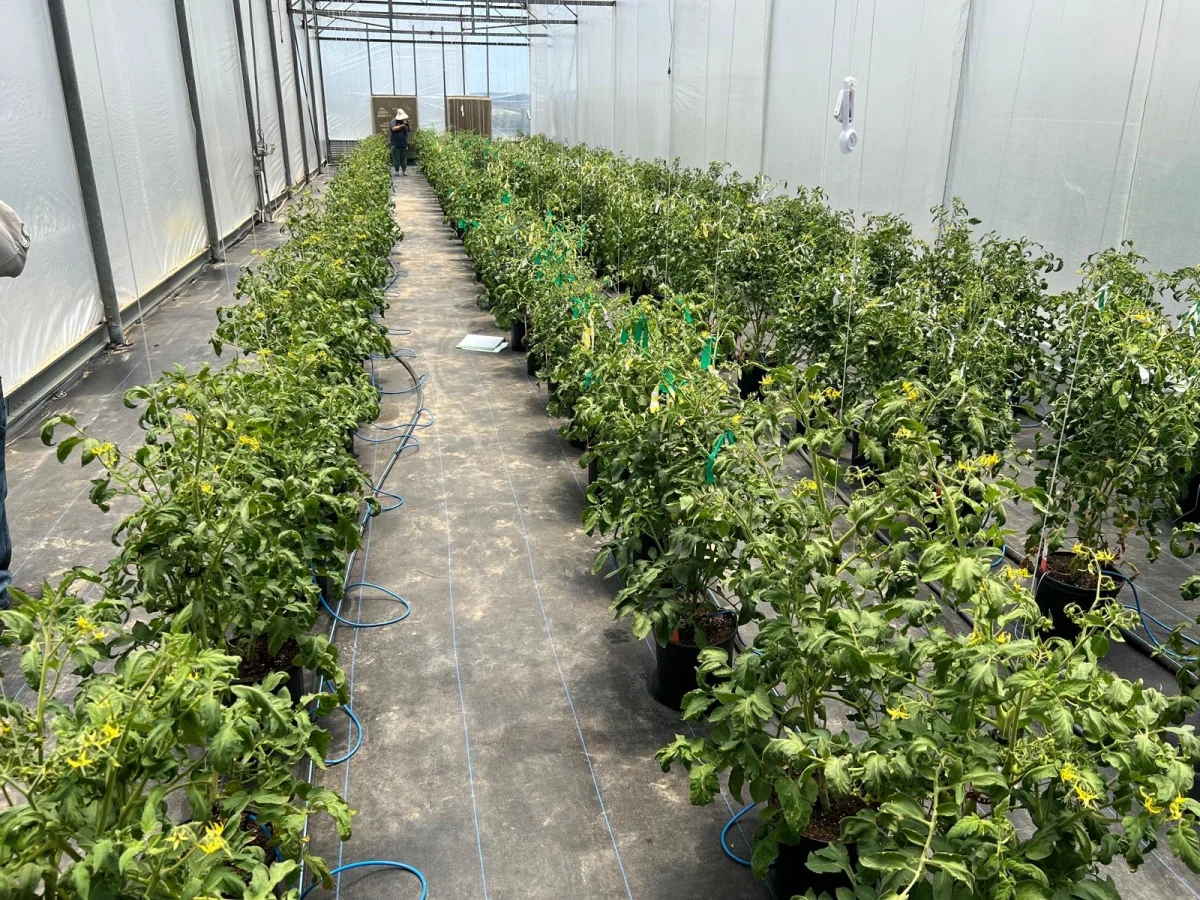
Currently, validation trials for the heat-tolerant tomato are being conducted in greenhouses and fields across the US and Belgium. "We have conducted extensive trials and seen that material performs significantly better under heat conditions in terms of yield preservation," Shao states, highlighting the real-world effectiveness of these advancements.
Rapid Trait Deployment with BioMaas
Hudson River Biotechnology introduces its BioMaas platform, which allows crop breeders to access genome editing capabilities without the extensive time and cost typically associated with in-house research and development. As CEO Fernando Los explains, this platform facilitates rapid deployment of traits such as heat tolerance, enabling complex genetic modifications to be executed in mere months.
The revised regulatory landscape in Europe, which offers more straightforward rules for CRISPR technologies, has spurred increased interest in Hudson River's offerings. The open nature of the BioMaas platform empowers breeders with access to a broad array of traits, including some proprietary ones like heat tolerance, positioning them to better adapt to climate challenges.
A Collaborative Approach to Strawberry Breeding
This partnership marks a new chapter in strawberry breeding, where Plantik's insights into which genomic regions to edit will be closely integrated with Hudson River's editing capabilities. Given that strawberries are octoploid—genetically more complex than diploid crops like tomatoes—and are typically propagated clonally, the collaboration faces unique challenges. Los notes that this complexity necessitates direct editing of commercially relevant germplasm, showcasing the specialized nature of this endeavor.
With strawberries as the initial focus, the two companies plan to expand their collaborative approach to other crops, inviting additional companies to address their own challenges in breeding for heat tolerance.
Reducing Risks for Breeders
The hurdles associated with trait discovery and gene editing can often preclude smaller breeders from succeeding independently, given the technical, regulatory, and financial pressures involved. Los asserts that even major seed companies face limitations in team capacity and budget, making this collaborative model particularly appealing.
“We essentially provide a de-risking solution, enabling smaller breeders to gain access to technology that is typically reserved for larger corporations,” he explains. By significantly lowering the failure rate of breeding projects—from 90% to potentially 10%—the partnership offers an attractive proposition for those in the strawberry breeding field.
The Future of Crop Resilience
As the agricultural sector grapples with a changing climate, partnerships like that of Plantik and Hudson River demonstrate a promising avenue for bolstering crop resilience. The integration of cutting-edge genome editing technologies paves the way for substantial advancements in producing varieties that can withstand rising temperatures. The industry's collective progress relies not only on technological advancements but also on fostering collaborations that democratize access to innovation in plant breeding.
By championing these heat-tolerant traits, the partnership aims to not only elevate strawberry stocks but potentially enhance the entire crop production system, ensuring future food security amid climate variability.
The collaborative research and technological advancements underscore a critical moment for the agricultural community, as it strives to adapt to increasing environmental pressures while ensuring the stability of food supplies.
For continued updates on the progress of this partnership and the implications for crop breeding, stakeholders are encouraged to stay engaged with developments in the field of plant biotechnology.


