Antobot plans to deploy 300 autonomous UV-C robots in strawberry farming by 2027, promoting chemical-free disease control and enhancing crop yields.
Antobot, a cutting-edge startup based in the UK, is setting ambitious goals for the agriculture industry, targeting the deployment of 300 autonomous robots to tackle fungal pathogens in strawberry crops by 2027. This effort marks a significant stride towards more sustainable agricultural practices, using UV-C light technology to combat diseases like powdery mildew without resorting to chemical fungicides.
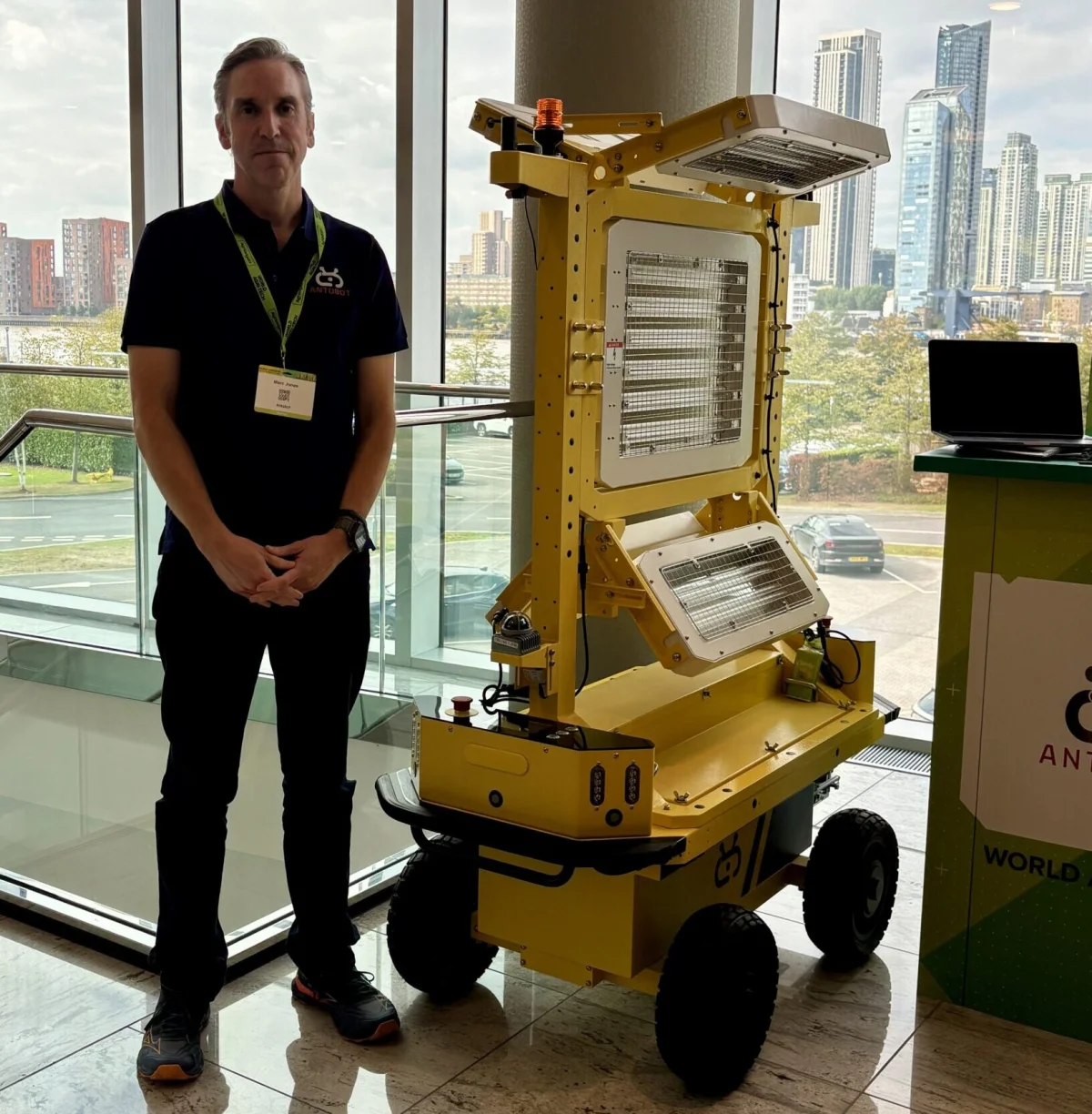
The technology employed by the robots disrupts the DNA of pathogens through exposure to UV-C light, rendering them incapable of replication. Antobot isn't venturing into this field alone; the technology has already been embraced by several companies in the agricultural sector, including Saga Robotics, TRIC Robotics, and CleanLight. According to Marc Jones, Antobot's VP of Commercial, this method not only minimizes chemical application but also helps improve overall crop yield. “We’re getting great results, big reductions in chemical spraying and also, interestingly, quite good increases in yield,” said Jones in a conversation during the World Agri-Tech Innovation Summit in London.
Having been founded by Howard Wu, PhD, in 2019, Antobot has grown its operational footprint to cover regions including the UK, Spain, Portugal, the Netherlands, Canada, and parts of Asia. Historically, the company engaged directly with customers such as Driscoll’s and Tiptree; however, it’s now expanding through a distributor network. “We’ve signed distributor agreements in the UK and Spain. We’re looking at Canada and we’ve set up a joint venture in Asia,” Jones stated.
Shifting Business Models for Scalability
As Antobot seeks to ramp up its deployments, an adjustment in its business model is also underway. Until recently, the company operated primarily under a robots-as-a-service model, which allowed growers to adopt the technology at a lower initial cost but placed operational responsibilities on Antobot. Jones explained, “But as you grow, this model gets more challenging. Next year we’re going to move most of our customers over to acquiring the machines and operating them themselves.” Factors such as capital equipment grants in the UK and Spain enhance the appeal of upfront purchases for growers.
Market Dynamics Influencing Adoption
Different regions exhibit varying motivations for adopting UV-C technology. In the UK, there is increasing pressure from both retailers and consumers regarding pesticide residue, pushing growers towards chemical-free solutions. In Asia, growers are attracted to UV-C light because conventional disease management techniques are proving inadequate. Spain finds itself in a unique position, balancing both aspects, as exporters cater to stringent UK market needs while also seeking to adopt more sustainable farming practices.
In Canada, many strawberry producers operate on small plots, making it imperative to use cost-effective disease management approaches—such as those proposed by Antobot. Jones mentioned that improved disease control from using UV-C technology can encourage some growers to expand their production, reducing the likelihood of having to halt operations mid-season due to crop failures.
Advancements Beyond Disease Control
While Antobot's primary focus remains the application of UV-C light for disease control, the company has also developed scouting modules. These are designed to assist growers in monitoring various aspects of their crops, including fruit count, size, and readiness for harvest. Jones shared that these tools can enhance yield forecasting, streamline supply chain logistics, and refine sales and marketing efforts. “The 300 targeted robots will primarily function as UV-C platforms next year, but we expect a portion will also handle other capabilities like scouting and logistics,” he noted.
Technical Challenges and Feedback Loops
With early deployments providing valuable insights, Antobot recognizes the operational adjustments required to incorporate autonomous technology into existing farming routines. As Jones highlighted, practical issues—such as tractors obstructing paths or changed access codes—can impact efficiency. The company has already modified its robots based on field feedback, including implementing swappable batteries and enhancements to the suspension system, which reflects their commitment to adaptability and user-friendliness.
Some growers are already leveraging multiple autonomous machines, allowing one operator to oversee several units simultaneously, which can greatly increase operational efficiency and reduce labor costs.
Looking Ahead: Growth Capital and Future Plans
Having funded initial growth through grants and a modest seed round spearheaded by Intron Technology Holdings, Antobot is now in pursuit of growth capital to foster the next phase of its expansion. Jones expressed optimism about the company’s trajectory, stating, “We’ve got traction, a solid customer base, and a great platform for scaling.”
While strawberries will continue to be the primary focus, Antobot is exploring potential applications for other crops, including blueberries, raspberries, and even vineyards. Interest in UV-C technology is also being gauged in sectors like ornamentals and vegetables, indicating a broader vision for the company’s technological applications in agriculture.
As Antobot gears up for its 2027 target, the agriculture industry may witness a shift towards more sustainable practices, driven by technology and consumer demand for lower chemical residues in food production.


