Tariffs on washing machines have led to significant price increases for consumers and limited economic benefits, raising concerns about the implications for households.

Trade restrictions imposed in 2018 have driven washing machine prices up by $86, emphasizing the broader economic impact of tariffs.

U.S. consumers are increasingly feeling the effects of tariffs on household goods, with prices rising across various categories, including home furnishings, appliances, and even coffee. As of now, the average tariff rate in the U.S. stands at 18%, a stark increase from just 2% the previous year.
Historical Context of Tariffs
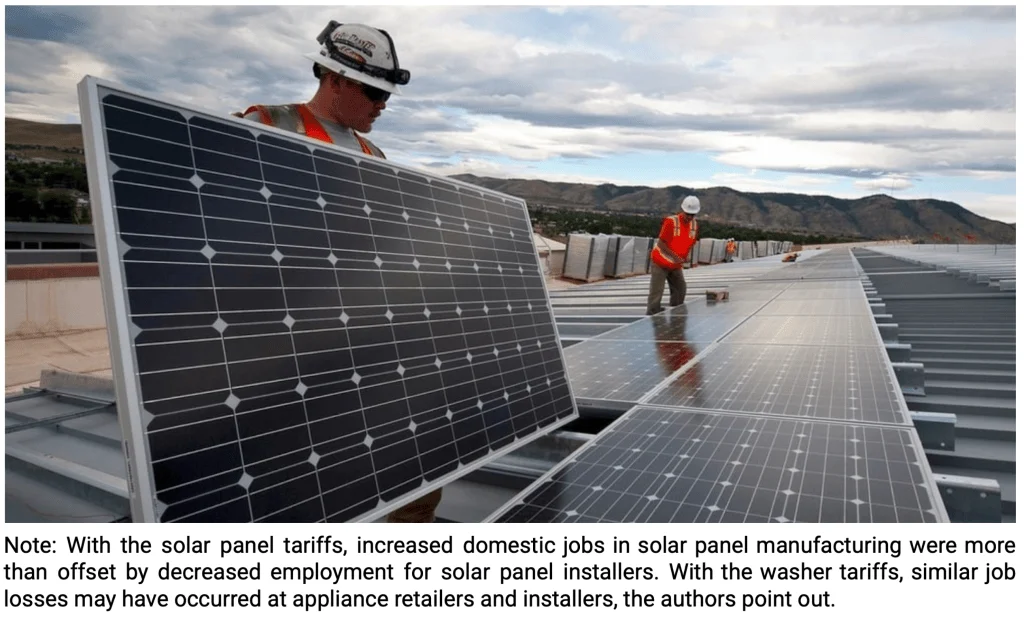
The long-term impact of these latest tariffs remains to be seen. However, insights can be gleaned from historical data. In 2018, alongside the implementation of tariffs on solar panels, the U.S. also introduced tariffs on washing machines. A notable study by economists Aaron Flaaen, Ali Hortaçsu, and Felix Tintelnot analyzes the repercussions of these tariffs, shedding light on consumer costs and job creation.
The Price Increase
The washer tariffs took effect in February 2018, targeting foreign imports from countries like China to protect U.S. manufacturers, such as Whirlpool. Utilizing a substantial dataset of retail prices from over 2,500 model types, the study revealed significant price increases for washing machines. The researchers showed that the tariffs resulted in a price increase of $86 on average, marking a 12% rise given the typical washer costs roughly $750.
Proponents of tariffs often assert that the costs of such measures are borne by foreign producers. However, this study contradicts that notion—finding that consumers absorbed 100% of the tariff cost as reflected in the increased retail prices. To compound the issue, the analysis also unveiled an unexpected rise in dryer prices, despite them not being subject to tariffs. This phenomenon arises from the package deals that retailers commonly offer, contributing to higher prices for both complementary goods.

Job Creation and Economic Cost
Supporters of tariffs argue they will revitalize U.S.-based manufacturing by bringing jobs back home. However, the actual job gains attributed to washing machine tariffs have been modest. The study estimates the tariffs yielded approximately 1,800 new jobs, a positive shift but paltry compared to the backdrop of lost manufacturing jobs in recent months—around 37,000—due to economic uncertainties fueled by tariffs.
This creates a stark contrast regarding job creation costs. Total consumer costs spiked by $1.5 billion annually due to the tariffs, translating to a staggering $815,000 per job created. For context, fiscal stimulus measures enacted in 2009 yielded jobs at an estimated cost of about $125,000, indicating a far less efficient allocation of resources compared to other forms of economic intervention.
Disproportionate Impact on Consumers
Much like the solar panel tariffs, the outcomes of tariffs on washing machines reveal a pattern: elevated consumer costs with limited benefits for local producers. However, washing machines differ from solar panels in that they are essential household items utilized across varied income segments. Consequently, the financial burden of increased prices disproportionately affects low- and middle-income households, which could exacerbate existing economic inequities.
As the U.S. prepares to implement additional tariffs, these early examples provide a crucial framework for anticipating future impacts. The current wave of tariffs extends beyond solar panels and washing machines, covering large categories such as automobiles, pharmaceuticals, and semiconductors. As a result, consumers can expect additional price hikes across these essential sectors.
Future Implications
Understanding the economic landscape shaped by tariffs is essential for consumers, manufacturers, and policymakers alike. While some may view tariffs as a pathway to protect domestic industries, the empirical evidence suggests that they often lead to higher prices for everyday goods with minimal corresponding job creation. As more tariffs roll out, continued monitoring of their economic implications will be vital to gauge both short-term and long-lasting effects on the U.S. market. The challenge lies in balancing protection for domestic manufacturers while ensuring accessibility and affordability for all consumers.
Stay informed by following us on Bluesky and LinkedIn, and consider subscribing to our email list for updates and insights.


